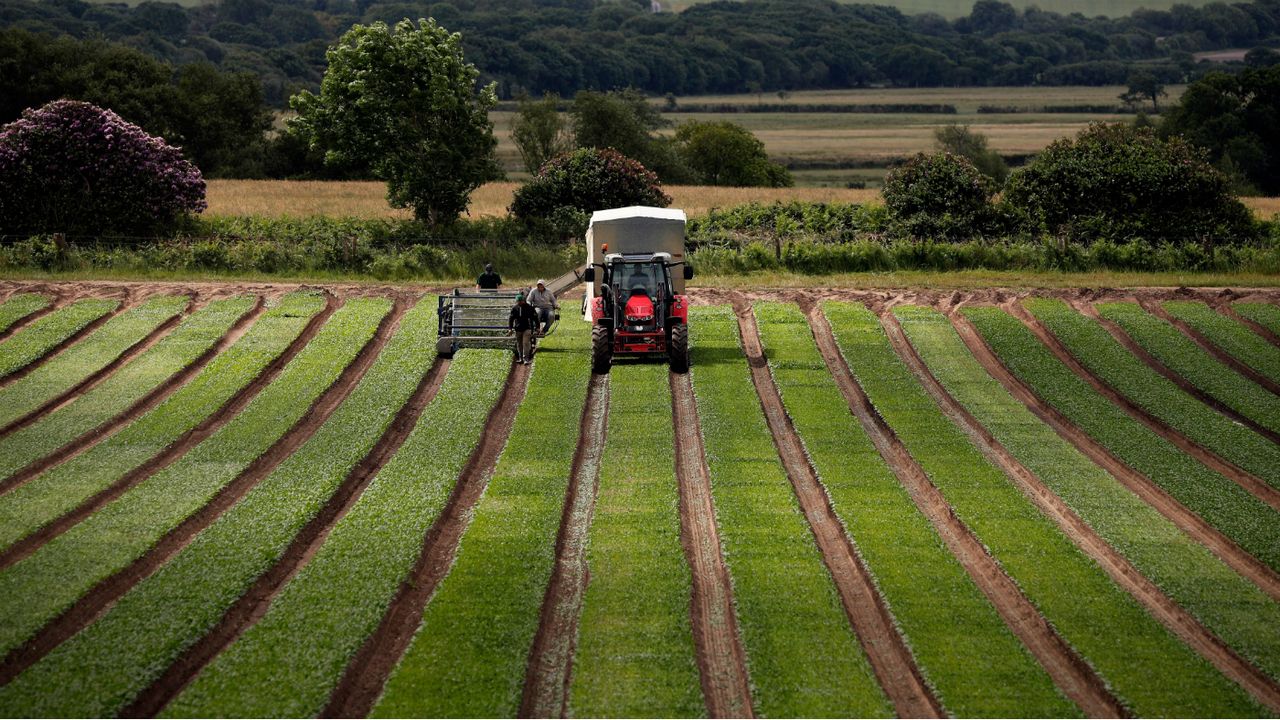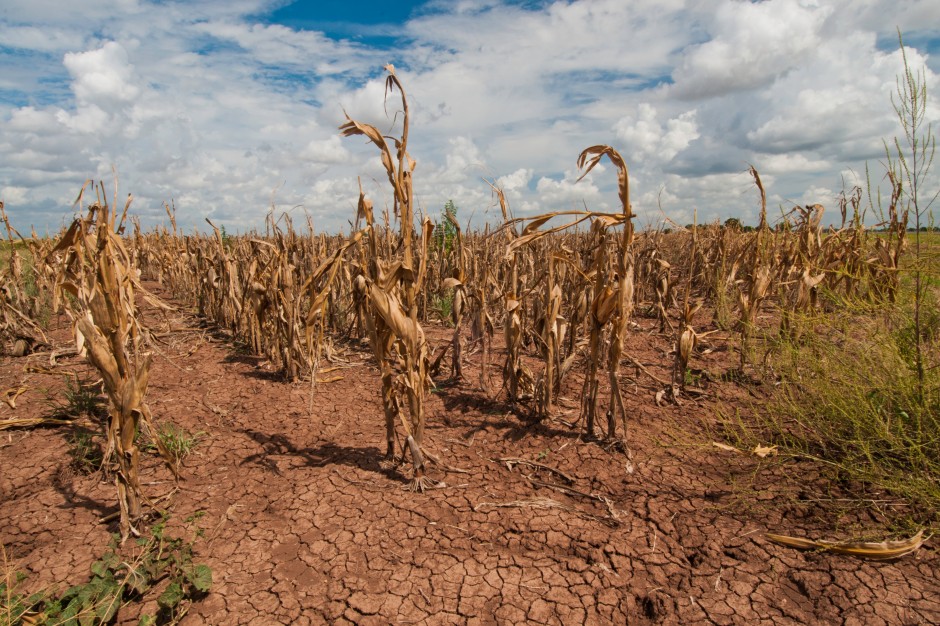
Agriiculture experts have suggested that since small-scale farmers are dependent on rain-fed farming they should have their crops insured against calamities brought on by unfriendly weather which include droughts and destructive floods.
The experts say that since rains have been largely unreliable in the last few years mainly due to global warming and climate change small-scale farmers have often see their efforts go to waste and a life-threatening famine zoom in.
Insurance cover can cushion off looming hunger when subsistence farmers lose their crops. Unfriendly weather phenomena, however, are not the only enemies that worry farmers.
Unscrupulous local and foreign investors have of late caused farmers to shed tears of grief. Some farmers in this country get a raw deal when their tracts of farmland are passed to so-called investors with little or no compensation at all.
This is land grabbing which is, indeed, an abominable felony; no wonder investors are not taken kindly in some localities.
It is worthwhile to point out here that this is an undesirable practice that is knocking small-scale farmers off their feet not only in Tanzania but also in other African countries and farther afield. Perhaps the decision to limit land allocations will lessen the problem.
The State has announced that from now on foreign investors who intend to invest in agricultural ventures will be allocated a maximum of 10,000 hectares. The idea is to slam the brakes on haphazard allocations that often leave land unattended for years.
The move will also curtail what land grabbers call "land banking." Land bankers are greedy investors who purchase huge chunks of land, often corruptly, and leave them unattended for years so they can re-sell them for a higher price.
The 10,000 hectares will be parceled out mainly to investors in sugarcane plantations and the minimum 5,000 hectares will go to rice growers. This decision has been arrived at after an exhaustive research.
Well and good, so long as the move reduces the now rampant conflicts over village land. Conflicts over land are so numerous. Some pit local or foreign investors against villagers. Others pit farmers against livestock keepers.
It is high time such conflicts were shot down. Many kind-hearted activists around the world have raised concerns that poor villagers, including those in Tanzania, will be forced off their land and agribusinesses in the near future, a sorry spectacle that will marginalize subsistence farming.
So, some of the poorest wananchi in this country are losing their land, water and natural resources that have supported their livelihoods for generations. It is these poor farmers who have provided the backbone of the economy for long. They should be protected.
Source - http://allafrica.com/