


Turkey - Insurance as innovative tool for humanitarian assistance
20.06.2016 319 views
I am attending the first World Humanitarian Summit in Istanbul. This is a flagship event organized by the United Nations and a number of heads of state are joining UN Secretary General Ban Ki-Moon to discuss the way forward.
Total humanitarian assistance has increased dramatically from USD 18 billion in 2012 to USD 28 billion in 2015 – the highest ever
recorded. With this increase comes a massive funding gap as needs for humanitarian assistance are increasing even more. Consequently, the humanitarian funding mechanism needs to be fundamentally redesigned. And insurance can play a meaningful role in there – for example by providing coverage against natural disasters!
Natural catastrophes are increasing in frequency and severity. The consequences are especially severe in vulnerable low-income countries, which are both the worst hit and the least prepared. Innovative financial instruments such as parametric insurance or catastrophe bonds exist to protect these countries against humanitarian crises caused by natural catastrophes and to preserve hard-won development gains – even in the face of floods, earthquakes, adverse weather and other setbacks.
Natural catastrophes and (soon) even the outbreak of epidemic diseases are insurable risks. The re/insurance and capital markets are prepared to and have the financial means to absorb these risks. Governments and humanitarian actors can transfer these risks to the private sector, which has the benefit of converting a highly volatile financing requirement into a more stable budget item and of leveraging available funds. This leverage can be as high as 30 times (USD 1 million of premium could result in USD 30 million payout in case of major catastrophe).
Doing this allows the global community to move away from reactive post-event funding towards proactive funding strategies. Humanitarian actors and governments could tap into the technical expertise of re/insurers to develop objective and politically acceptable ‘triggers’ for the early and quick release of funding.
A paradigm shift in humanitarian financing for natural catastrophes towards risk transfer solutions requires the willingness and ability from the side of governments and humanitarian actors to take control of their disaster risk financing. Humanitarian actors can both promote and sponsor insurance schemes as well as securing funds for their own operations through insurance mechanisms. Humanitarian actors can increase the efficiency of their funding mechanisms by reserving traditional humanitarian funding for non-insurable risks, particularly for conflict-related settings and slow, onset disasters, while transferring insurable risks, such as natural
catastrophes, extreme weather and potentially epidemic outbreaks to the private sector.
Insurance does not only provide the funding for recovery after an event but also puts a price tag on risks by analyzing the underlying exposure and vulnerability. This process informs decision makers of their overall preparedness, allows for improved contingency planning and targeted investment in risk reduction measures.
Source - https://openminds.swissre.com
EVENTS

ScaleAgData Stakeholder Engagement Event
22.10.2024The ScaleAgData project is pleased to invite you to our second stakeholder event. Building on the discussions and connections formed during our first webinar, this event will focus on fostering collaboration among stakeholders, providing updates on our project’s progress, and outlining future opportunities for engagement.
RISK EVENTS

Moldova - May frosts caused heavy damage to fruit orchards
10.05.2026The first frosty nights of May have significantly worsened estimates of damage to Moldova's fruit sector from spring frosts. According to initial assessments by fruit market operators, between a quarter and a third of the country's total orchard area was seriously affected.
04.06.2026

India - Delhi raises crop damage compensation after 10 years by over 50% to Rs 75,000 per hectare
In a major relief for farmers, the Delhi government has increased compensation for crop loss caused by rain and hailstorms from Rs 20,000 per acre to Rs 75,000 per hectare.
04.06.2026

Why Tech-Driven Agro-Insurance Has Stumbled in Ethiopia
For decades, Ethiopia’s agricultural sector has remained trapped in a dangerous paradox.
04.06.2026
UK - Rural crime cost Wales £2.2m last year despite fall in offences
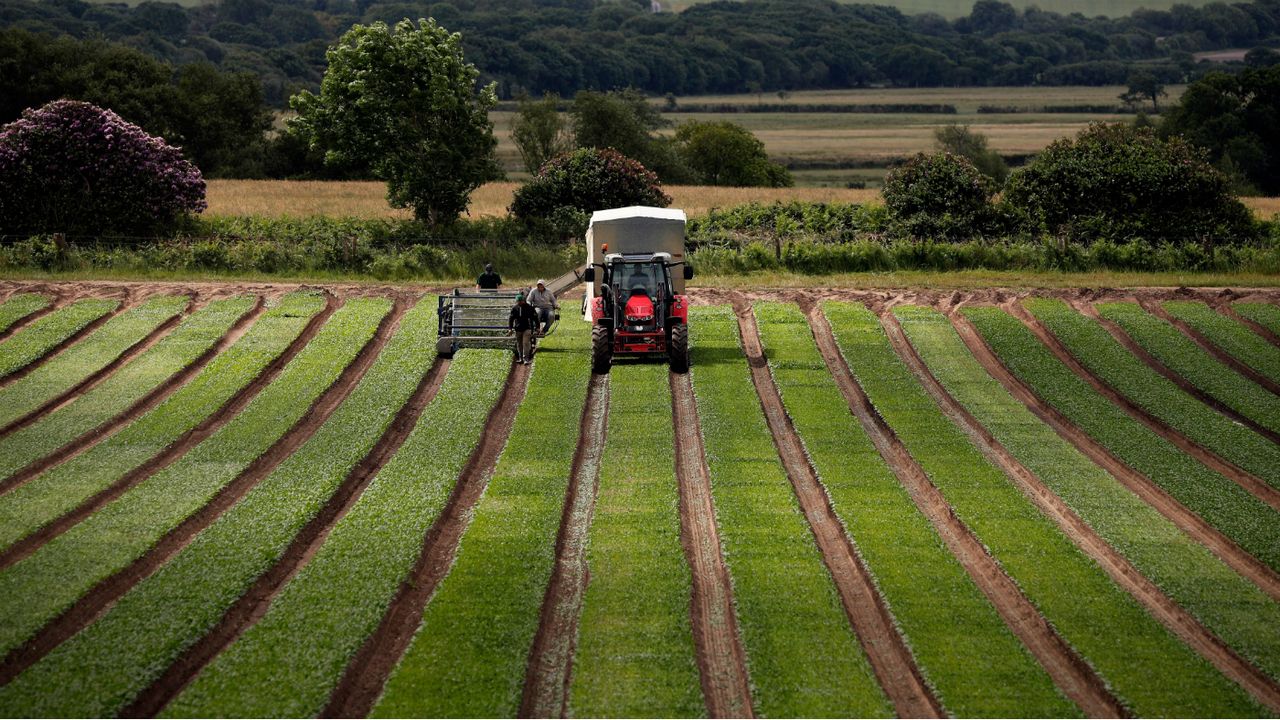
Rural crime cost Wales an estimated £2.2 million last year, with organised criminals continuing to target tractors, livestock and farming equipment despite an overall fall in offences, according to a new report.
04.06.2026

Kenyan Agro-Insurance Startup, Pula Raises US$ 20 Million in Series B Round
Pula, a Kenyan startup that offers insurance to small-scale farmers, aims to serve more than 100 million farmers in Africa after raising US$ 20 million in its Series B round.
04.06.2026

USA - USDA announces $52M to boost public access to private lands for hunting, fishing
The U.S. Department of Agriculture is announcing $52 million to help state and tribal governments encourage private landowners to allow public access to their land for hunting, fishing and other wildlife-dependent recreation through the Voluntary Public Access and Habitat Incentive Program (VPA-HIP).
04.06.2026

Hope Grows in Malawi’s Grain Stores as Farmers Battle Post-Harvest Losses
Some grain rots in poorly ventilated storage. Some is eaten by pests. Some is damaged during drying or transportation before it ever reaches the market.
03.06.2026

Canada - AFSC extends several northern Alberta seeding dates for 2026
Alberta’s Agriculture Financial Services Corp. (AFSC) is extending the recommended seeding dates in the province’s northeast, northwest and Peace regions for several crops for the 2026 growing season only.
03.06.2026

India - Elephants run amok in Konaje agricultural farm, cause massive crop damage
A herd of elephants, including calves, wreaked havoc on an agricultural farm belonging to Yashodhara Gowda at Pallattadka in Konaje village of Kadaba taluk.
