

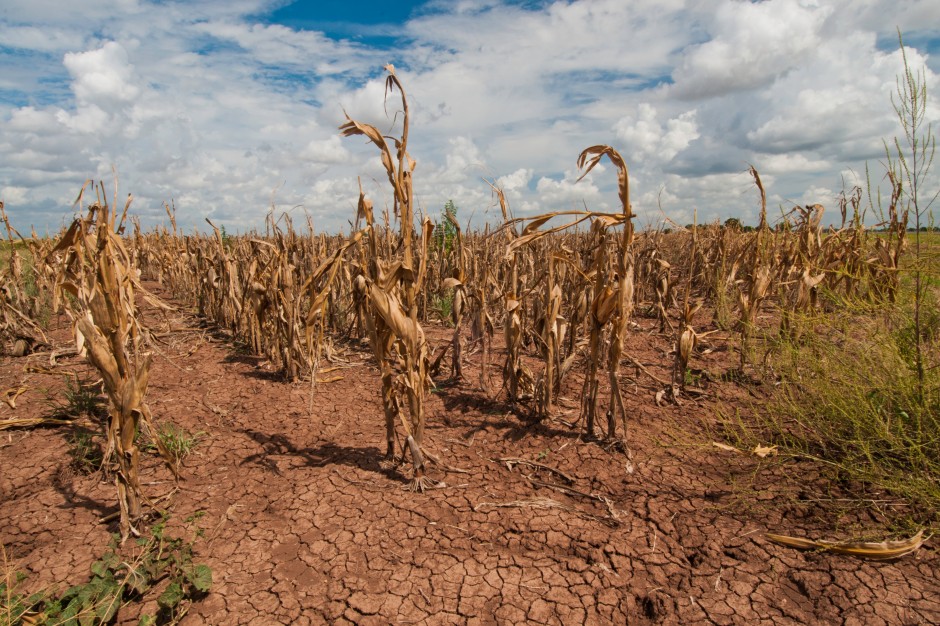
We are increasingly finding ourselves facing converging food and climate challenges at an alarming rate, and globally, the Intergovernmental Panel on Climate Change (IPCC) predicts that food insecurity will rise by 15-40 per cent by the year 2050.
Agriculture is immensely vulnerable to the impacts of climate change. Hence, it is important that smallholder farmers are enabled to build farming practices that make them more resilient to such changes. It is therefore imperative that our agriculture and food system is reformed in a number of ways.
One, to be more resilient to impacts of climate change and other shocks and crises. The latter include escalating food prices, deforestation and depletion of other natural resources.
Two, to be able to contribute less to global climate change.
Three, ensure the right to food of people through appropriate levels of production. This includes distribution and equitable access.
This new unique role of agriculture brings up a paradigm shift and unleashes an array of bottlenecks. These rotate around technical, environmental, social and economic key issues.
Many stakeholders, that is, researchers, civil society, private sector, government and policy makers are grappling with ensuring food security in a climate-constrained environment. This a complete nexus of events.
Smallholder farmers are usually more vulnerable to climate shocks.
But all hope is not lost as there are some small management and appropriate changes than can be adopted which could in turn have significant growth in income and livelihood benefits.
A policy brief by World Agroforestry Centre (Icraf) - Making climate-smart agriculture work for the poor - highlights interesting recommendations. These could help in overcoming challenges in having smallholder farmers adapt to climate-smart agriculture.
The first is to hold the stakeholders in the agricultural sector accountable. This is so that they can gear towards providing an enabling legal and political environment. The relevant institutions should spearhead this.
There should be improved market accessibility for the smallholder farmer's produce. This can be fostered through improving infrastructure such as roads, market, et cetera.
Collective marketing initiatives through producer marketing groups can play a key role. The argument is that once a farmer's income is enhanced, it reduces their vulnerability to climate change.
Another mitigation strategy would be helping improve access to knowledge and training opportunities.
Agricultural market information can play a key role. Price information can make the smallholder farmers make informed decisions on when to sell or store their produce. This reduces their vulnerability.
Significant effect
Farming tips and weather updates can guide the farmers on when to plant or harvest. The trainings can also enhance good management practices, which would in turn increase adoption rates.
Streamlining land ownership can also play a critical role in fostering smallholder farmers adapt climate-smart agriculture best practices.
This tends to have a significant effect on the farmers' willingness to invest in their land hence improving productivity.
When the farmers have proper ownership of the land, there is a tendency to have increased investments in crop diversity, improved livestock, soil conservation and even have the confidence to engage in agroforestry.
It is common knowledge that when you have outright ownership of an asset, you tend to make long-term investments.
Adapting to improved management practices by the smallholder farmers will provide enormous benefits aimed at achieving climate-smart agriculture.
These can help in overcoming the barriers of high opportunity costs to land.
Another key strategy for overcoming the challenges to introducing climate-smart agriculture is helping to improve access to farm inputs and financial products.
Agribusiness support agencies should design projects focusing on such interventions. The financial and insurance institutions should also design tailor-made products for the farmers to enhance access to capital and agricultural insurance products.
Such interventions would go a long way in helping minimise associated risks hence overcoming the investment gaps that have previously hindered best practices for the adoption of climate-smart agriculture.
In conclusion, efforts by agricultural support agencies and other key players in the sector should aim at adaptation, mitigation and ultimately ensure the fundamental right to food of all people through appropriate levels of production, including proper and efficient distribution and equitable access of resources.
Once this is achieved, then we can confidently say that climate-smart agriculture is the real deal.
Source - http://allafrica.com










