There are fears that dog owners in Hertfordshire are not fully aware of the risk their pet could pose to livestock.
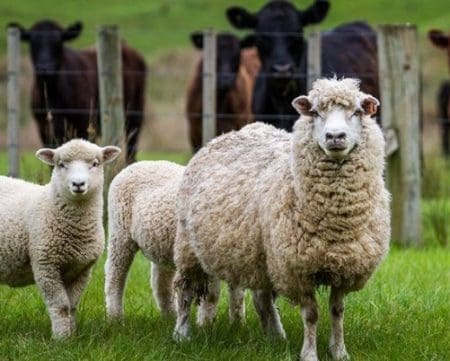
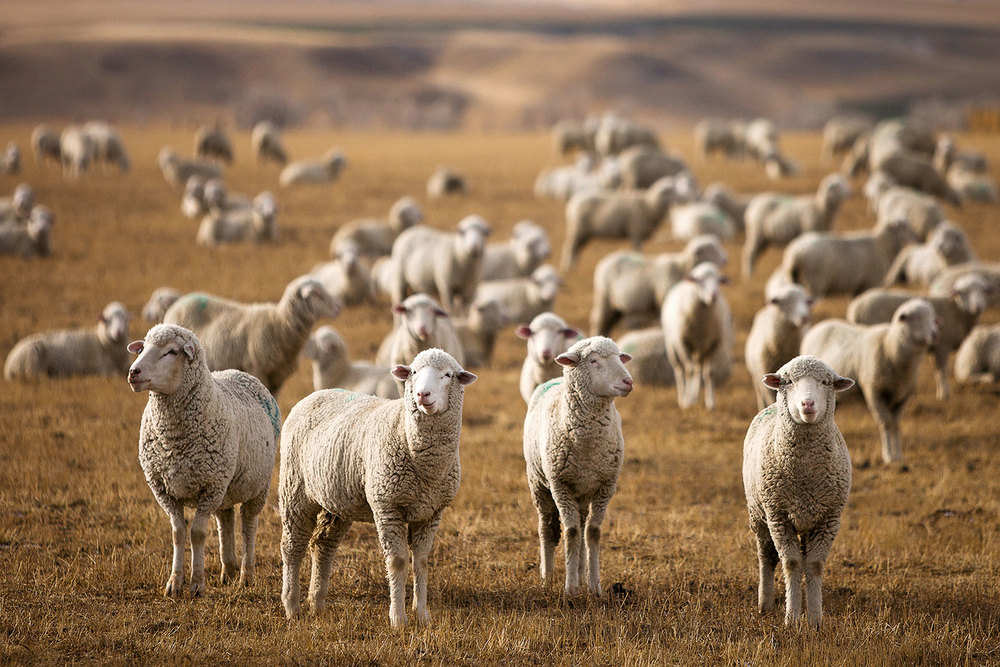
Concerns of 'sheep worrying' have been raised by farm insurers Lycett's, who say farmers are being forced out of the industry every year due to the trauma and crippling cost of attacks. It's a particular problem at this time of year as we are in lambing season - ewes can even miscarry their lambs from the stress. Earlier this week, around two dozen sheep were killed when two dogs allegedly got into a field in East Hertfordshire. A multi-force police working group - which includes Hertfordshire Constabulary - is calling for changes in the law, including making dog attacks a recordable crime, giving police power to seize dogs, the creation of a DNA database for offending dogs and harsher sentences for owners. William Nicholl of Lycett's told us: "Unfortunately, even the most docile of dogs can get caught up in an attack on sheep because many of them think it is a game. What many dog owners don't realise is that their dog does not have to physically attack a sheep to cause harm. A barking or 'playful' dog may seem innocuous to its owner but to a sheep, it is a threat and can spark blind panic among the flock. Even if a dog does not make contact with the livestock, the stress from worrying by dogs can cause sheep to die - often by the dozen - and expectant ewes to abort. As we are in lambing season, the flock is at its most vulnerable now, and we urge dog owners to take heed and stick to the lead. Escaped dogs are also a huge problem so don't let them roam freely and strengthen your boundaries". Hertfordshire Constabulary recorded 108 incidents of livestock worrying from May 2014 to August 2017. In that period, 106 livestock were killed and 105 were injured. In the majority of the cases (58%), the dog owner was not present at the time of the attack and in one incident, the dog was shot. Hertfordshire farmers suffered a financial loss of £23,470 from killed or maimed sheep. In the five areas, 1,928 animals were killed, and 1,614 injured - at an estimated cost of £250,000. In some cases, the farmer suffered financial losses in excess of £20,000 for a single incident. William continued: "Farmers are well aware of how devastating a dog attack can be; it is not only extremely upsetting to find their animals maimed or killed but could be the blow that ends their farming business. An attack during lambing season is felt even keener, as future livestock are also lost. In the eyes of the law, dogs are viewed as pets, and therefore a 'luxury' but livestock are people's livelihoods. So, dog owners should be under no illusion. The farmer may have a defence in shooting an attacking dog, under the Animals Act 1971, or the dog could be destroyed by the authorities if the owner is found guilty of an offence, under the Dogs (protection of Livestock) Act 1953". He concluded: "If the government pushes ahead with the police recommendations, the owner will also be facing a punishment more reflective of the loss felt by the farmer - which is worth bearing in mind for the future". Source - http://www.bobfm.co.uk/