

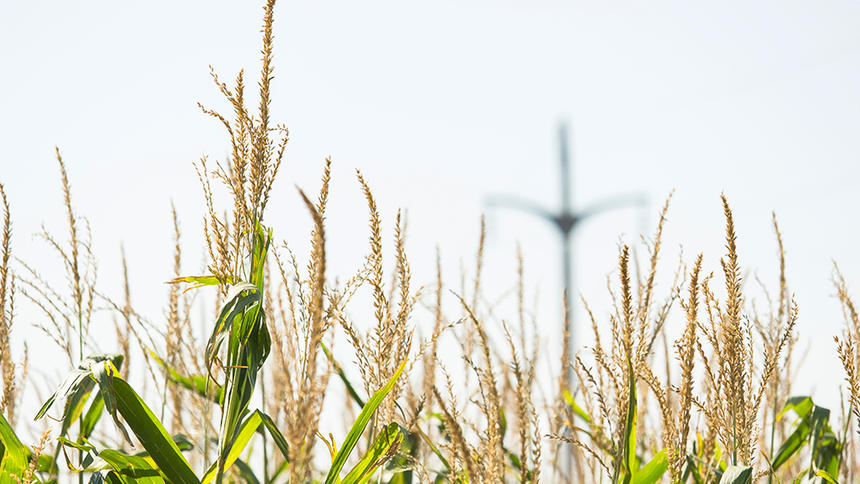
USA - 10 facts about corn rust
14.02.2017 467 views
Flip through the 2017 DuPont Pioneer Agronomy Sciences Research Summary and one article may catch your eye. It’s simply titled "Southern rust of corn." If you were one of the unlucky people whose corn was nailed by southern rust late last year, you will be drawn into the story immediately. Even if your fields escaped, you’ll still find the report useful for managing corn disease in the future.
Steve Butzen, agronomy information consultant for Pioneer, prepared the report. Here are 10 facts about rust in corn any producer ought to know.
1. Southern rust is a fungal disease. So is common rust, which occurs more frequently in the Corn Belt. However, when southern rust occurs, it is often more destructive than common rust, Butzen says. Yield loss estimates in southern Indiana in 2016 exceeded 50 bushels per acre, according to ag retailers.
2. Southern rust is favored by high humidity and temperatures in the 80s and 90s. That’s why it’s more
frequent in Southern states. But when the wind blows spores into the Midwest in a summer like 2016, it can become an issue. Common rust prefers cool to warm and moist conditions, with temperatures of 60 to 77 degrees F.
3. Southern rust can spread rapidly. New infections may occur every seven days, Butzen reports. Individual fields can be damaged very quickly, and epidemics can spread over large areas. The southern rust outbreak in 2016 in the Midwest came primarily in late August and early September.
4. Fungicide applications may be warranted for southern rust. These can help minimize crop damage. Fields where farmers didn’t apply fungicides to save costs tended to get hit hardest in 2016.
5. Less photosynthesis occurs after leaf damage from southern rust. There is less functional leaf area after infection, Butzen explains. Photosynthesis is reduced, and less sugar is produced.
6. Southern rust can weaken cornstalks. Plants will use stalk carbohydrates to fill kernels once they can’t make enough sugar to keep up. Stalks are weakened, and the potential for stalk rot rises.
7. Where and when infection occurs matters. If the infection is confined to lower leaves, yield losses will be lower. In hard-hit areas in 2016, infection raced through the entire plant.
8. Planting date can impact yield loss from southern rust. Later-planted fields are at higher risk to southern rust damage, Butzen notes.
9. Rotation and tillage don’t help control southern rust. The disease spores don’t overwinter in the Midwest. That’s the good news for growers there. The bad news is a new batch can blow in the following season and move into the region.
10. Corn breeders screen for resistance to southern rust. Pioneer corn breeders screen both inbreds and hybrids for southern rust, Butzen says. Hybrids in the commercial lineup carry a rating for rust resistance, from 1 to 9, with 9 being most resistant on Pioneer’s scale. Most hybrids in the current lineup rate between 3 and 5, Butzen reports. That’s because genetic resistance to southern rust is limited.
Source - http://www.americanagriculturist.com
EVENTS

ScaleAgData Stakeholder Engagement Event
22.10.2024The ScaleAgData project is pleased to invite you to our second stakeholder event. Building on the discussions and connections formed during our first webinar, this event will focus on fostering collaboration among stakeholders, providing updates on our project’s progress, and outlining future opportunities for engagement.
RISK EVENTS

Moldova - May frosts caused heavy damage to fruit orchards
10.05.2026The first frosty nights of May have significantly worsened estimates of damage to Moldova's fruit sector from spring frosts. According to initial assessments by fruit market operators, between a quarter and a third of the country's total orchard area was seriously affected.
16.06.2026
India - Harish Rao accuses Congress govt of plotting to scrap crop bonus
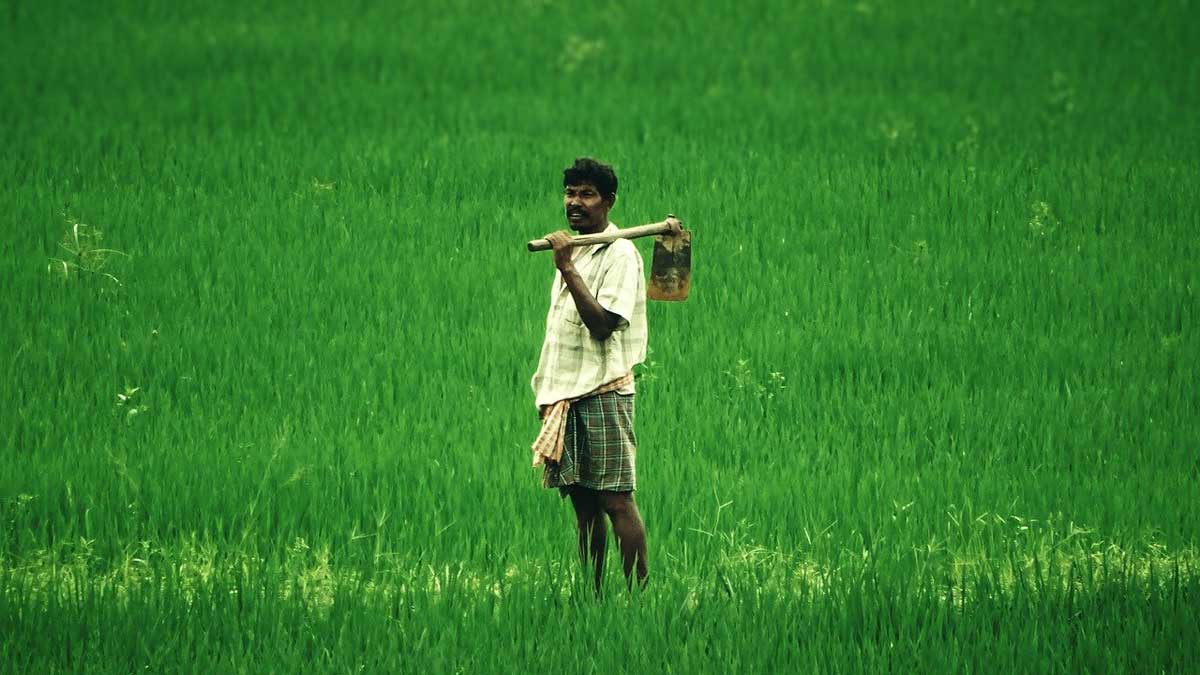
BRS deputy floor leader T Harish Rao accused the Congress government of conspiring to phase out the crop bonus scheme by limiting it to just seven paddy varieties, despite promising Rs 500 bonus for all varieties in its manifesto.
16.06.2026

CBE and EIC Forge Historic Partnership to Advance Ethiopia’s Financial Sector
The Commercial Bank of Ethiopia (CBE) and the Ethiopian Insurance Corporation (EIC) have signed a historic partnership agreement to elevate their long-standing cooperation.
16.06.2026

Spain - The Government releases 510.7 million from the Contingency Fund for agricultural insurance and social purposes
The Council of Ministers has given the green light to the use of the Contingency Fund to support several credit modifications for a total amount of 510,706,252.23 euros, with the aim of meeting commitments in agricultural insurance and financing activities of general interest qualified as of social interest.
16.06.2026
Nepal - Poultry sector losses Rs. 500M due to bird flu
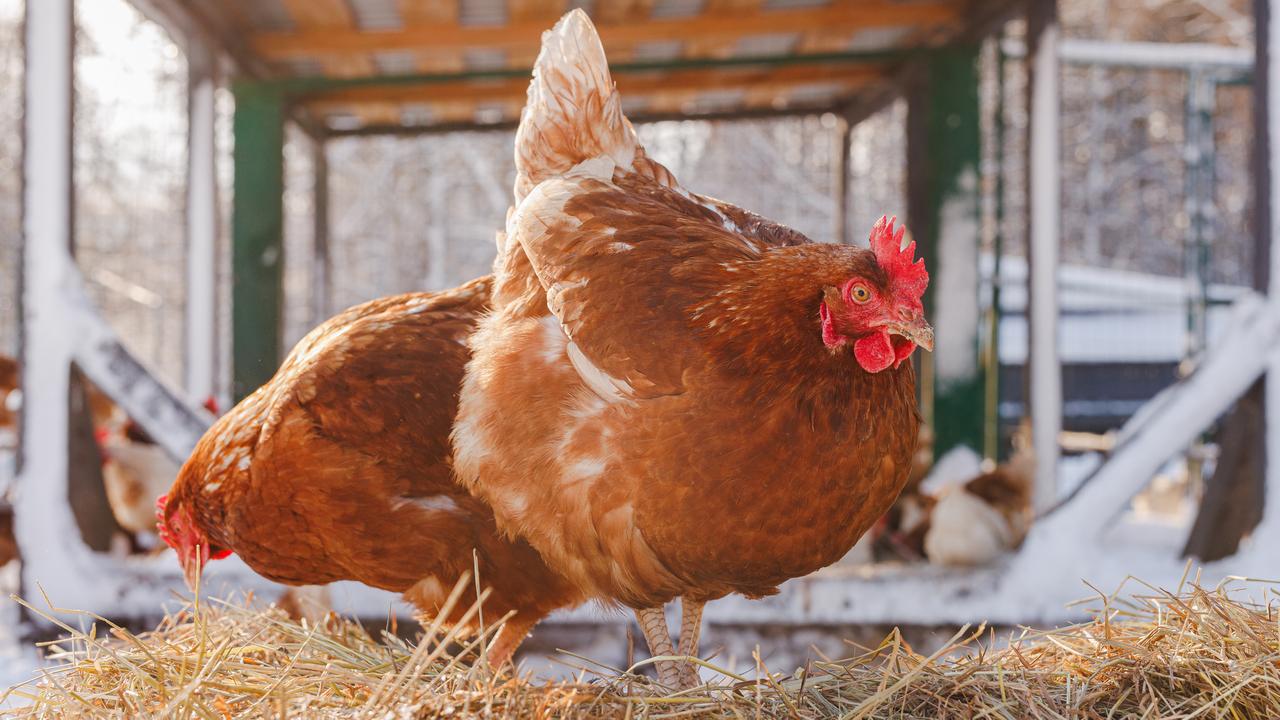
Farmers have suffered direct financial losses of more than Rs. 500 million in the past month due to a bird flu outbreak that has spread to three districts of Koshi Province—Jhapa, Morang, and Sunsari.
16.06.2026

USA - USDA declares emergency Disaster Declaration for Maryland farmers impacted by crop freeze
The United States Department of Agriculture is stepping in to assist Maryland farmers severely impacted by unexpected frosting in April.
16.06.2026
Cyprus - Foot-and-mouth disease cases rise to 121 livestock units after new Mammari detection
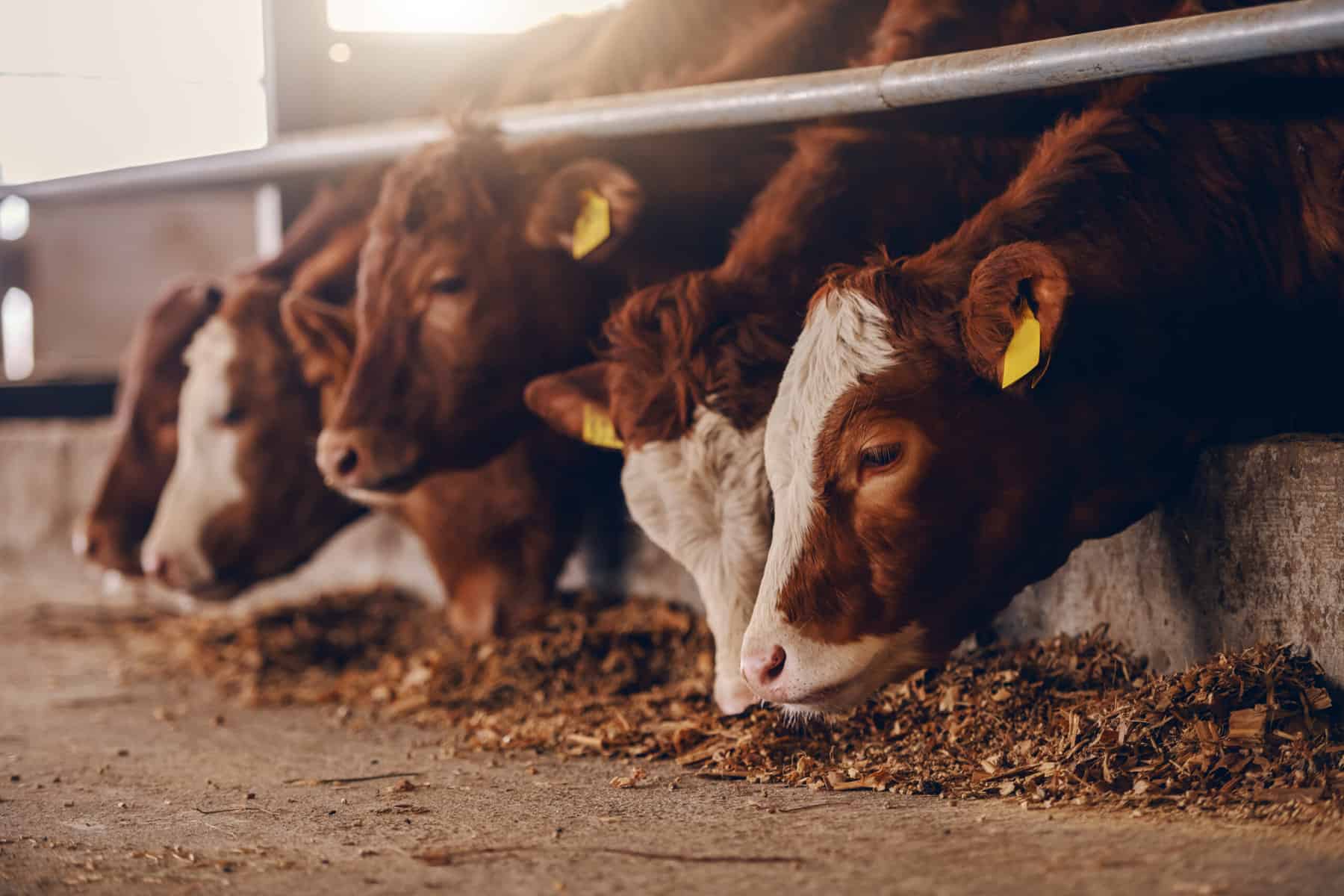
A total of 121 livestock units have been affected by foot-and-mouth disease following the confirmation of a new case announced on Wednesday.
15.06.2026

India - Satellite Surveys to Bridge Gap Between Farmers’ Losses & Crop Insurance Compensation: Shivraj Singh Chouhan
Union Minister of Agriculture and Farmers Welfare Shivraj Singh Chouhan has stated that in order to bridge the gap between the losses faced by farmers and the compensation they receive through crop insurance, these losses will now be surveyed using satellites.
15.06.2026

Philippines - DA eyes regional fisheries hub in Northern Samar
The Department of Agriculture (DA) plans to establish a regional fisheries hub in Mapanas, Northern Samar, positioning the area as a potential growth center for Eastern Visayas’ tuna industry.
