

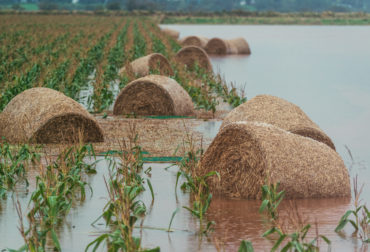
USA - Ag losses from March, August floods total $367M
14.09.2016 445 views
Agriculture losses from the March and August floods totaled almost $367 million, according to an analysis by the LSU AgCenter, threatening the future of some of Louisiana's farmers.
"It could be a knockout punch to a lot of people," said Caddo Parish rancher Marty Wooldridge, who had 2,000 acres of pastures flooded in March and again in May. "What's even worse is cattle prices are half what they were last year, and I think it's a similar story for other commodities."
Acadiana farmer Richard Fontenot agreed.
"Unfortunately, it's going to put some producers in dire straits," said Fontenot, who farms rice and soybeans in Ville Platte. Some of Fontenot's fields were submerged for a week in August. "It's a serious situation that's going to grow worse if we can't get some help."
Fifth District Congressman Ralph Abraham said he plans to use the LSU AgCenter estimates to justify adding $400 million in agriculture specific aid to a $2.8 billion relief package the delegation and Gov. John Bel Edwards are seeking to push through Congress this week.
Abraham, R-Alto, sits on the House Agriculture Committee.
"We want to do it in one swipe if possible, but if that falls through I'm going to file a separate bill for the agriculture damage," Abraham said. "It's worse than we expected and the losses in agriculture will continue to rise.
"When you see flooding in residential areas like Baton Rouge it's easy to see the devastation with carpet and drywall lining the streets. But we don't have that same optic with agriculture, even though it's just as devastating."
Edwards and Louisiana Agriculture Commissioner Mike Strain are returning to Washington Wednesday to lobby lawmakers for help.
"We're going to try to get (ag relief) rolled into the package and ride it through together," Strain said. "The losses are so great a lot of our land could go fallow if we don't get some help."
Most of the damage, $277 million, occurred during the August flood in southern Louisiana, when crops were ready to harvest and most vulnerable, but northern Louisiana producers lost about $90 million during the March flood.
"In the Delta the spring floods caused quite a bit of replanting corn, which was expensive, and then pushed planting dates back," said Richland Parish farmer Dustin Morris, who is also Abraham's son-in-law. "That in tern affects yields. I would think we will generally see a 10 to 20 percent yield reduction (in northeastern Louisiana) across all crops."
Soybeans and rice took the biggest hits in the August flood at $69 million each in losses, followed by corn at $44 million and cotton at $27 million.
"I think we'll see losses of $350 to $400 per acre in (Acadiana) in quality and yield," Fontenot said.
But there were significant losses in virtually every crop, as well as livestock.
"We probably dealt with 10,000 head of cattle throughout the state that had to be relocated and thousands that were lost," said Wooldridge, who spearheaded the Louisiana Farm Bureau Federation's Hay Clearinghouse Program to deliver hay where needed. "We have distributed and placed about 5,000 square and round bales combined for both disasters."
Other loss estimates from the LSU AgCenter from the August flood include: grain sorghum, $2.4 million; sweet potatoes, $6.6 million; sugarcane, $2.7 million; livestock, $4.3 million; hay, $8.2 million; fruits and vegetables, $3.4 million; ornamental horticulture, $1.4 million; and honey, $479,000.
Return to USA Today Network of Louisiana throughout the day for updates on this story.
Source - http://www.thenewsstar.com
EVENTS

ScaleAgData Stakeholder Engagement Event
22.10.2024The ScaleAgData project is pleased to invite you to our second stakeholder event. Building on the discussions and connections formed during our first webinar, this event will focus on fostering collaboration among stakeholders, providing updates on our project’s progress, and outlining future opportunities for engagement.
RISK EVENTS

Moldova - May frosts caused heavy damage to fruit orchards
10.05.2026The first frosty nights of May have significantly worsened estimates of damage to Moldova's fruit sector from spring frosts. According to initial assessments by fruit market operators, between a quarter and a third of the country's total orchard area was seriously affected.
22.10.2026
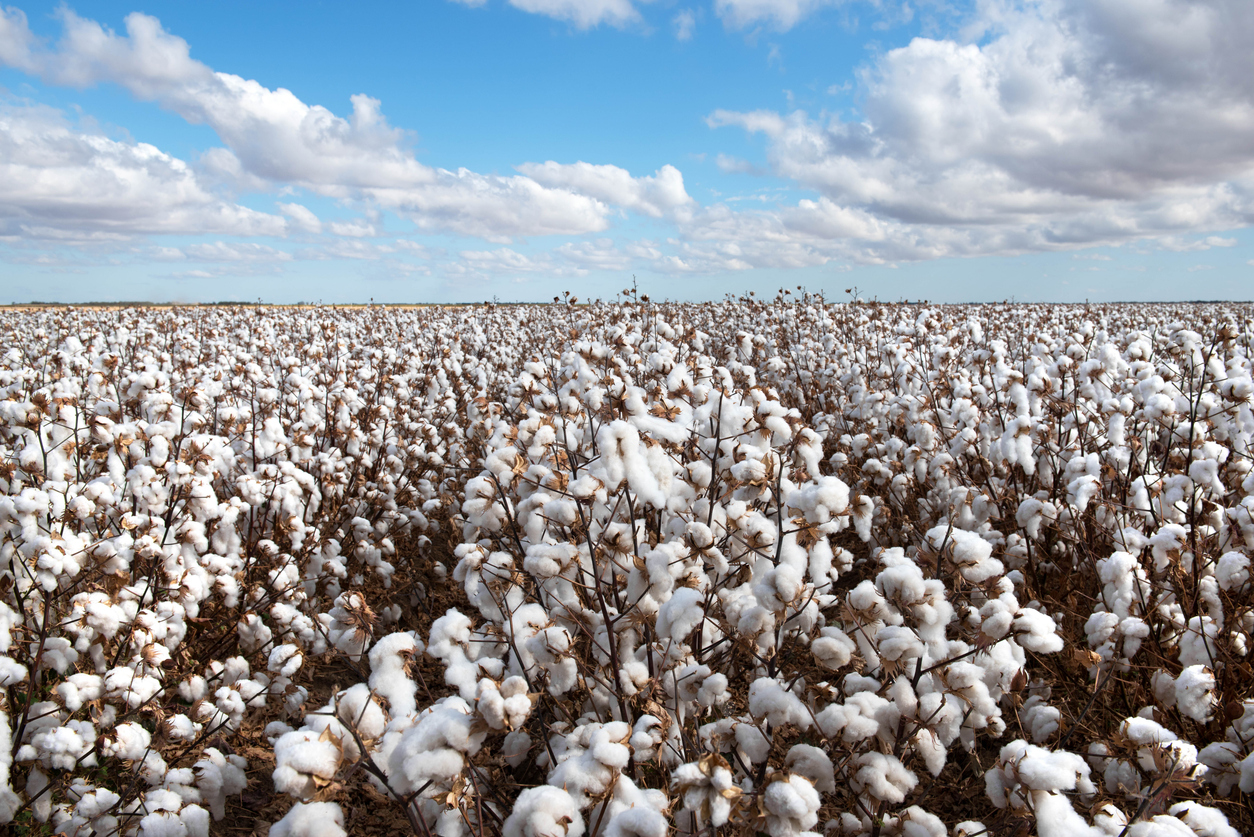
USA - Cotton Producers Face New ARC PLC Decision Deadline
The special provision giving producers the higher of ARC or PLC for 2025 will not continue next year.
22.10.2026

Pakistan - Punjab unveils £300,000 climate-resilient agriculture project for Cholistan and Thal
The Government of Punjab announced a 300,000-pound pilot project to establish climate-resilient agriculture across arid desert regions. The 12-month targeted initiative specifically focuses on farming communities operating within the vulnerable Cholistan and Thal desert ecosystems.
22.10.2026
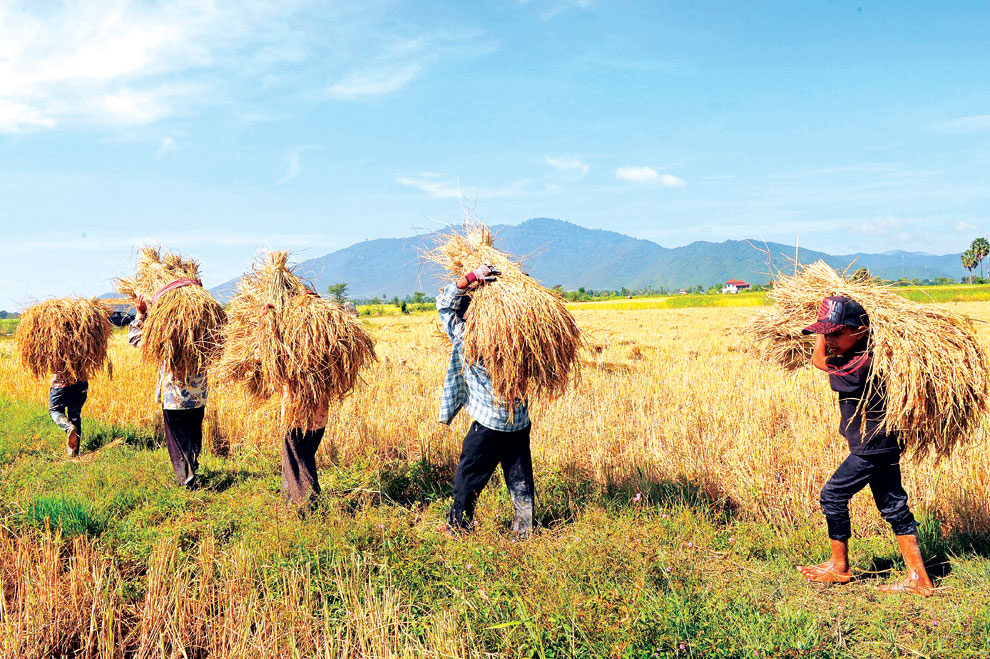
Cambodia looks into insurance scheme for agricultural cooperatives
Cambodia's Ministry of Agriculture, Forestry and Fisheries (MAFF) is looking into a disaster-related insurance scheme designed for modern agricultural cooperatives.
22.10.2026

USA - Dec. 1 deadline set for 2027 pasture and forage insurance
Northeast farmers have until Dec. 1 to secure Pasture, Rangeland and Forage insurance coverage for the 2027 crop year, according to Crop Growers.
22.10.2026
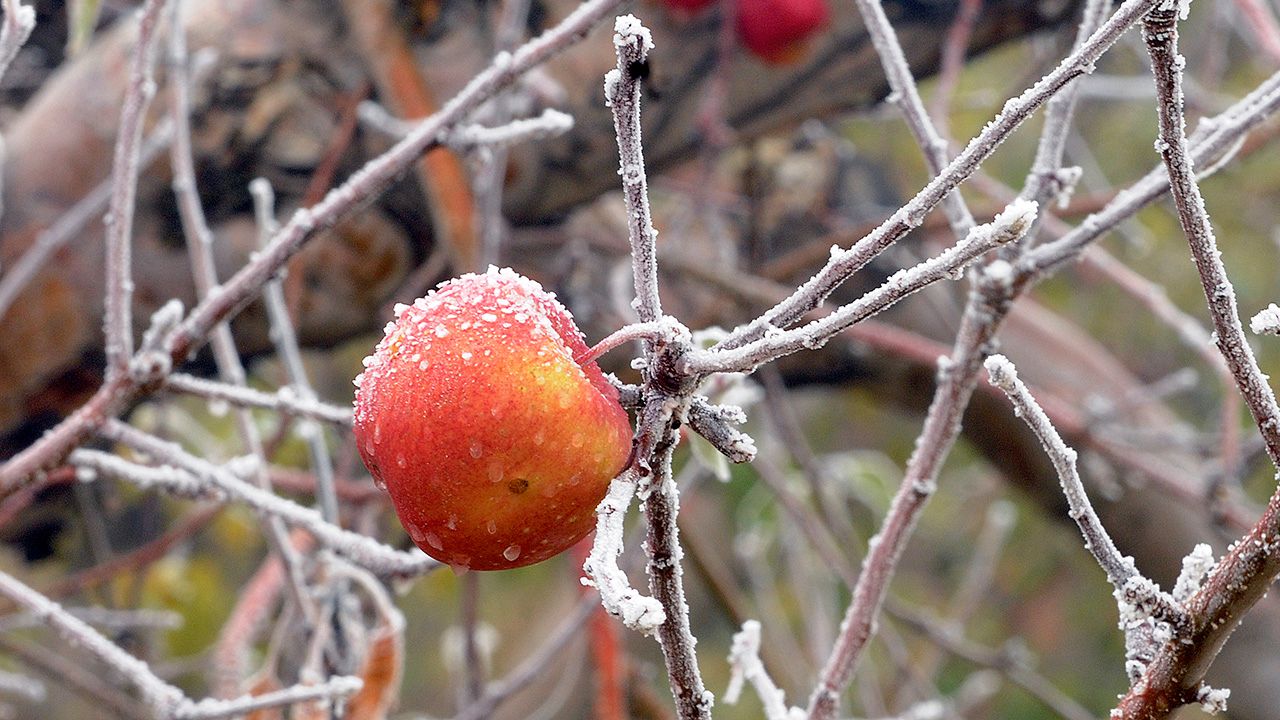
Spring frost hits Polish apple varieties unevenly
Spring frosts have affected Polish apple varieties differently this season, with some performing better than initially expected and others facing substantial losses.
22.10.2026
Spain - Flooded fields in Valencia and Alicante and 130 hectares of greenhouses affected in Almería
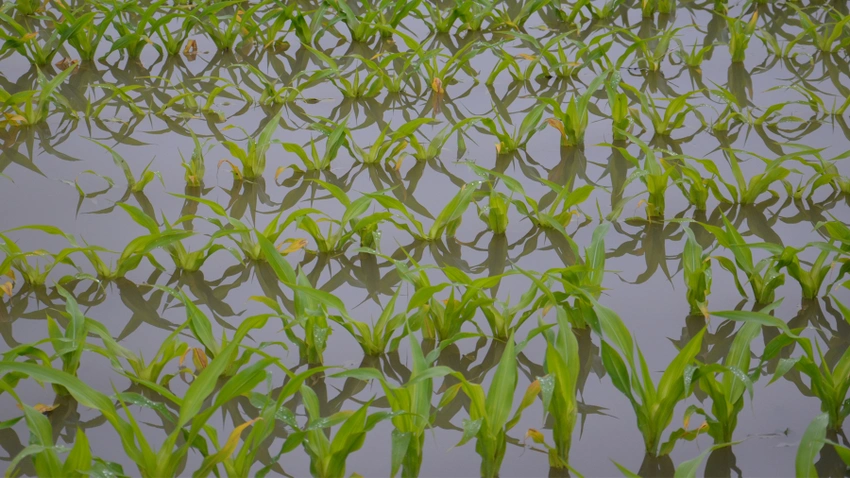
The arrival of storm Adam on the Mediterranean coast has brought heavy rainfall that has hit the Valencia region hardest, particularly the coastlines of the provinces of Valencia and Alicante, though the inclement weather has also hit other regions including Andalusia, Catalonia, and the Balearic Islands.
21.10.2026
India - Government launches Pashudhan Bima Portal to streamline livestock insurance, claims and monitoring
The Government today launched Pashudhan Bima Portal in New Delhi. The Portal will provide a single, integrated digital platform for livestock insurance, enabling streamlined policy issuance, claim processing, monitoring and reporting in case of animals insured under the Livestock Insurance Scheme of the Department of Animal Husbandry and Dairying.
21.10.2026

Malaysia - Perak Perhilitan monitoring elephant herd after crop destruction complaints
The Perak Department of Wildlife and National Parks (Perhilitan) has received six official complaints this year from oil palm smallholders in Kampung Perlop 1, Sungai Siput, over wild elephants destroying crops and plantation infrastructure.
