USA - Area counties declared natural disaster areas

05.11.2019 443 views
Three local counties are among the 14 in Ohio that the United States Department of Agriculture said are primary natural disaster areas.
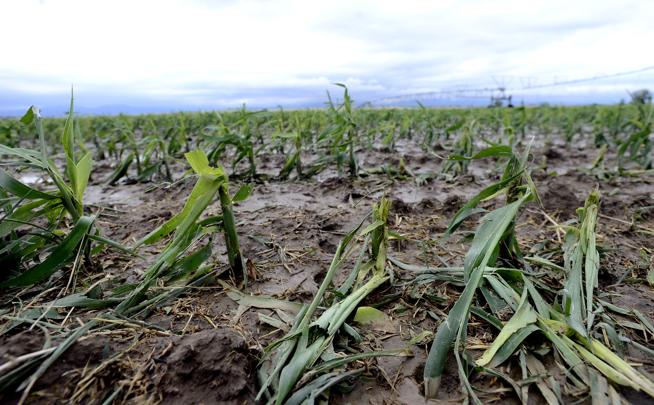
Champaign, Clark and Miami counties were added to a growing list of designated primary natural disaster areas, which means farmers in those counties can apply for disaster loans. Farmers are eligible only if they suffered a 30% loss in crop production or a physical loss of livestock, livestock products and real estate. Farmers must also have acceptable credit history, and be unable to get credit from commercial sources. Collateral is required. Fourteen counties were designated primary Friday, according to a statement from the USDA. That’s added to the seven designated primary disaster areas earlier this year. Adams, Belmont, Guernsey, Highland, Madison, Monroe, Noble, Portage, Stark, Summit, Trumbull, Butler, Hamilton, Knox, Warren, Defiance, Fayette and Logan counties are also among the primary disaster areas because of excessive rain and flooding ranging from October 2018 through September. Producers who had losses because of the excessive rain and flooding may be eligible for USDA emergency loans. The contiguous counties designated as secondary natural disaster areas include Montgomery, Darke, Greene, Ashtabula, Brown, Carroll, Clinton, Columbiana, Coshocton, Cuyahoga, Fayette, Franklin, Geauga, Harrison, Holmes, Jefferson, Logan, Mahoning, Medina, Morgan, Muskingum, Pickaway, Pike, Ross, Scioto, Shelby, Tuscarawas, Union, Washington and Wayne. Farmers in those counties are also eligible to apply for the loans, which will cover the actual cost of production loss of up to $500,000. Interest rates change, but are currently at 3.5 %, a higher rate than other USDA loan types. The deadline to apply is June 3, 2020. The Farm Services Administration will review the loans based on the extent of losses, security available and repayment ability, according to the statement. Source - https://www.daytondailynews.com

23.03.2026

Canada - Saskatchewan Government announces detailed changes to 2026 AgriStability Program

Today, Saskatchewan Agriculture Minister David Marit announced changes to the 2026 AgriStability Program, administered by the Saskatchewan Crop Insurance Corporation (SCIC).

23.03.2026

USA - Washington cherry industry seeks bigger fruit

Increasing minimum cherry size would boost returns, improve crop insurance. 

23.03.2026

India - Rs 30 cr crop insurance fraud exposed, 4 arrested

A large-scale fraud exceeding Rs. 30 crore under the central government’s Pradhan Mantri Fasal Bima Yojana has come to light, prompting the formation of a dedicated Special Investigation Team (SIT). 

23.03.2026

India - Centre approves Rs 25 crore for crop protection from wild animals in Uttarakhand

The Central Government has sanctioned Rs 25 crore to safeguard agricultural crops in Uttarakhand from wild animals. 

23.03.2026

India - Krishi Sakhi Initiative Strengthens Women Farmers Role

Krishi Sakhi Initiative Strengthens Women Farmers Role: The Krishi Sakhi Initiative was launched by the Agriculture Insurance Company of India Limited (AIC) in 2026. 

23.03.2026

Australian floods hit macadamia, avocado, and citrus production

Flooding across Queensland has affected multiple horticultural crops, with growers reporting production losses and damage to infrastructure. In the Bundaberg and Burnett regions, flooding followed the Burnett River, peaking at 7.4 metres on March 11.

22.03.2026

New technologies are unlocking farm insurance in Africa

New technologies are changing how agricultural risk is measured, priced, and managed across Africa, enabling insurers to potentially reach millions of previously excluded smallholder farmers.

22.03.2026

USA - USDA offers disaster assistance to agricultural producers in Kansas impacted by wildfire

Agricultural operations in Kansas have been significantly impacted by recent wildfires. The U.S. Department of Agriculture has technical and financial assistance available to help farmers and livestock producers recover from these adverse weather events.