When a winter storm brought snow and gale-force winds Saturday to the Lower Yakima Valley, dairy farmers hurried to save as many of their cows as possible.
Farmers worked around the clock to ensure that the milk cows were able to find windbreaks to shelter in, as well as food and water to keep up their body heat.
“This curveball was unexpected,” said Bill Wavrin, whose Sunnyside-area dairy farm has 3,000 head of cattle. “We’ve been here 30 years and not seen anything like it.”
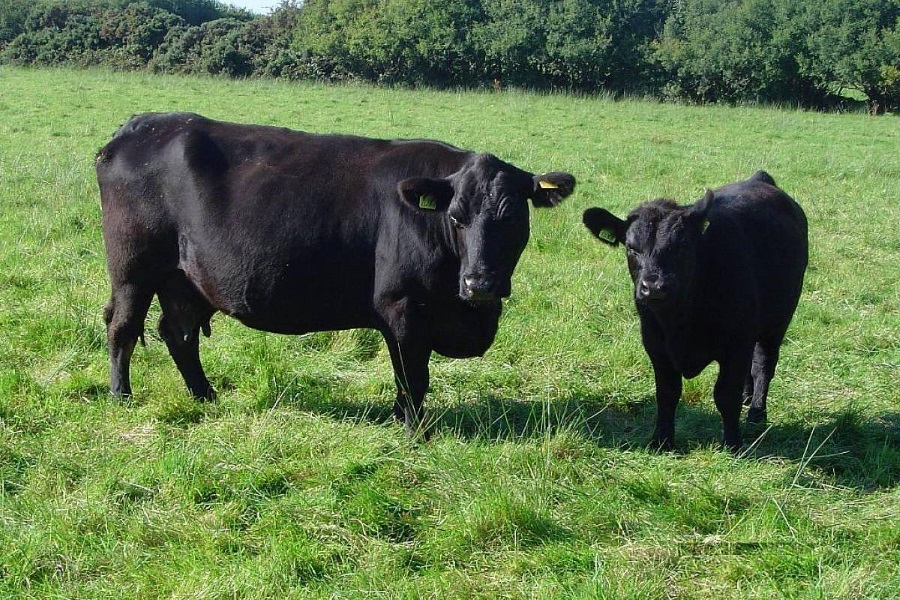
Wavrin was among the lucky dairymen able to save their cattle. But at least 1,600 milk cows died from exposure in the Yakima Valley during the storm, according to the Dairy Farmers of Washington.
Dairy farmers reported losses of at least $2 million, said Chelsi Riordan, spokeswoman for the dairy farmers group.
Winds gusted as high as 80 mph Saturday in the Lower Valley, creating snowdrifts several feet deep. The storm closed portions of two interstate highways and State Route 24, which provides a back way from Yakima County to the Tri-Cities.
But for Lower Valley dairymen, the storm was more than an inconvenience. It was a deadly threat to the cattle they depend upon for their livelihood.
Markus Rollinger, a Sunnyside dairyman, said he and his brother worked 36 hours straight to protect their cattle and clear roads to ensure access to the farm — and to the cows.
“When this storm started, I thought it was going be like it was in 2017. But no, I haven’t seen anything like that before,” Rollinger said.
The winter of 2016-17 saw 36.5 inches of snow fall in the Valley, and storms prompted Gov. Jay Inslee to declare a state of emergency.
Wavrin said staff and farmhands came in and stayed as long as needed to ensure the cattle were OK and the roads cleared. Some even came in on their day off to help.
He said other dairymen were out plowing the road so workers could get in and milk trucks could head out.
“That’s when the best of humanity shows up,” Wavrin said. “It’s pretty typical, when you see the worst conditions, you find the best (in people).”
At other farms, farmers built windbreaks from hay bales to give the animals some respite from the storm, the dairy farmers group reported.
Wavrin said his cattle were all present and accounted for, and in good health. He thinks that being south of the Yakima River spared him some of the worst weather.
Of particular concern were beef cattle, which typically calve this time of year.
Patti Brumbach, executive director of the Washington State Beef Commission, said she’s seen no reports of large losses.
The critical thing for winter survival, Brumbach said, is keeping the animals fed and moving. If they’re well fed, cattle will generate enough body heat to endure cold temperatures.
It isn’t clear if the $2 million in dairy losses can be covered through disaster relief funds. Inslee declared a state of emergency Feb. 8, ahead of the storm.
Hector Castro, spokesman for the state Department of Agriculture, said he did not have any information on what assistance would be available for affected farmers.
“It seems like this is an ongoing situation, and there has not been an assessment of how many cows have been lost,” Castro said.
Then there’s the question of how to dispose of the dead animals. Castro said the matter is being discussed, but it is still early in the process.
It’s not the first time cold weather has affected the county’s cattle industry. In 1861, a hard winter that left a 3-foot ice cap on the ground wiped out more than 90 percent of cattle baron Ben Snipe’s 40,000-head herd. But Snipes, regarded as the “cattle king of the Pacific Northwest,” rebuilt his herd and fortunes by buying out his neighbors’ surviving livestock at steep discounts.
Source - https://www.yakimaherald.com