

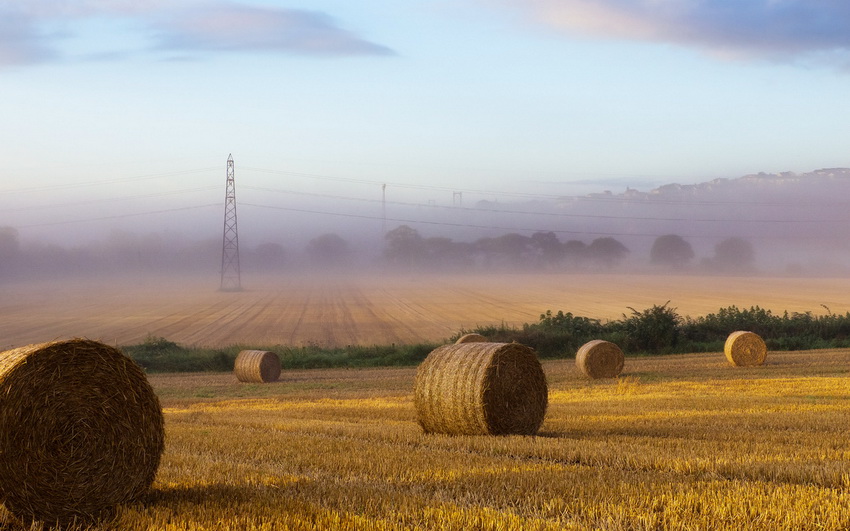
USA - Crop Insurance Continues to Strengthen Rural Communities
15.07.2016 316 views
America’s farmers and ranchers work hard to provide food for the world, contributing to the nation’s economy, as well as to the strength of our rural communities. To support our nation’s hardworking producers, we’ve developed programs designed to help them stay at the forefront of global production, to adapt to market changes and protect their operations even after bad years.
Although many farm programs have come and gone, one program has continued to grow and become even more critical to the farm safety net. Federal crop insurance has become the preeminent risk management tool for our nation’s agricultural producers, and has adapted to meet the diverse needs now more than ever. In fact, even Congress recognized the importance of the federal crop insurance program in the 2014 Farm Bill. As other programs were eliminated or reduced, new requirements and expansions were mandated for the program as a cost-efficient and proven way to keep agriculture strong.
New policies like the Supplemental Coverage Option (SCO) and APH Yield Exclusion (APH YE) were implemented by the Risk Management Agency as a result of the Farm Bill, providing new options for producers suffering from years of drought or other severe weather conditions. The Whole-Farm Revenue Protection policy (Whole-Farm), also outlined in the Farm Bill, was developed by USDA’s Risk Management Agency (RMA) in concert with producer groups, to provide an innovative and effective tool for smaller farms, diverse farms, and those growing specialty and organic crops. Whole-Farm was first offered in 2015, and by 2016 it was available in every county in the nation – a first for federal crop insurance.
Even as the crop insurance program expanded, RMA took steps to strengthen program integrity. It reduced its error rate for improper payments by more than half; and at 2.2 percent, it is well below the government-wide average of 4.39 percent. The agency also improved its compliance methodology to include additional layers of data analysis, to continue to have better oversight of program dollars.
These expansions and the efficient delivery of the program have helped keep the rural economy going, even after severe weather has ruined fields and lowered prices for crops. When crop prices are low, access to credit is critical for farmers to manage risk. Producers who purchase federal crop insurance have better access to credit and are often able to receive lower loan interest rates.
The program continues to grow for the 2016 crop year and into the future. More crops than ever will be eligible for organic price elections, offering organic producers the ability to insure their products closer to market value than the conventionally-grown equivalent. Expansion in the availability of SCO for certain crops will continue, just as more crops will be eligible under the APH YE program, meaning more producers hit with years of drought will be able to find some relief. Even the Whole-Farm Revenue Protection program has expanded. It provides coverage under one policy for all revenue from a farm, up to $8.5 million. This now can include greenhouse and nursery products up to $1 million and animals and animal products up to $1 million as well.
However farming and farm products change to meet the market need, crop insurance will continue to adapt and strengthen its programs to meet the needs of our producers.
Source - http://blogs.usda.gov
EVENTS

ScaleAgData Stakeholder Engagement Event
22.10.2024The ScaleAgData project is pleased to invite you to our second stakeholder event. Building on the discussions and connections formed during our first webinar, this event will focus on fostering collaboration among stakeholders, providing updates on our project’s progress, and outlining future opportunities for engagement.
RISK EVENTS

Moldova - May frosts caused heavy damage to fruit orchards
10.05.2026The first frosty nights of May have significantly worsened estimates of damage to Moldova's fruit sector from spring frosts. According to initial assessments by fruit market operators, between a quarter and a third of the country's total orchard area was seriously affected.
04.06.2026

India - Delhi raises crop damage compensation after 10 years by over 50% to Rs 75,000 per hectare
In a major relief for farmers, the Delhi government has increased compensation for crop loss caused by rain and hailstorms from Rs 20,000 per acre to Rs 75,000 per hectare.
04.06.2026

Why Tech-Driven Agro-Insurance Has Stumbled in Ethiopia
For decades, Ethiopia’s agricultural sector has remained trapped in a dangerous paradox.
04.06.2026
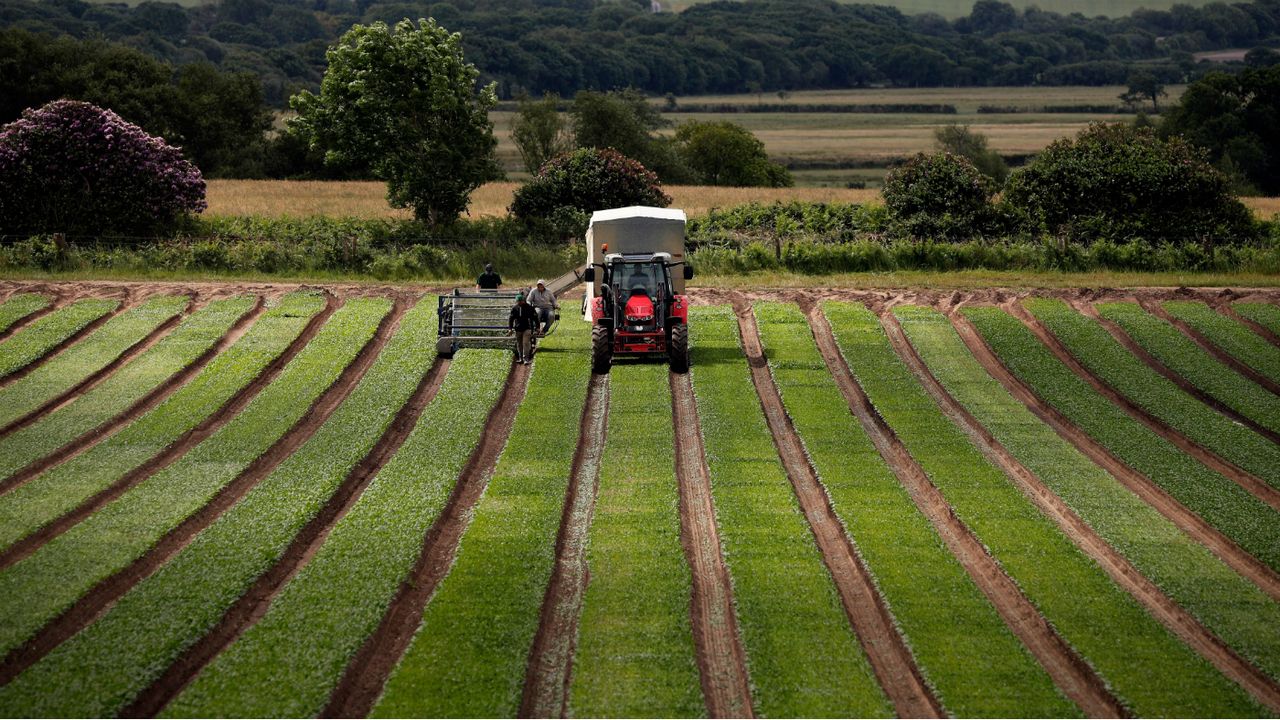
UK - Rural crime cost Wales £2.2m last year despite fall in offences
Rural crime cost Wales an estimated £2.2 million last year, with organised criminals continuing to target tractors, livestock and farming equipment despite an overall fall in offences, according to a new report.
04.06.2026

Kenyan Agro-Insurance Startup, Pula Raises US$ 20 Million in Series B Round
Pula, a Kenyan startup that offers insurance to small-scale farmers, aims to serve more than 100 million farmers in Africa after raising US$ 20 million in its Series B round.
04.06.2026
USA - USDA announces $52M to boost public access to private lands for hunting, fishing
The U.S. Department of Agriculture is announcing $52 million to help state and tribal governments encourage private landowners to allow public access to their land for hunting, fishing and other wildlife-dependent recreation through the Voluntary Public Access and Habitat Incentive Program (VPA-HIP).
04.06.2026

Hope Grows in Malawi’s Grain Stores as Farmers Battle Post-Harvest Losses
Some grain rots in poorly ventilated storage. Some is eaten by pests. Some is damaged during drying or transportation before it ever reaches the market.
03.06.2026

Canada - AFSC extends several northern Alberta seeding dates for 2026
Alberta’s Agriculture Financial Services Corp. (AFSC) is extending the recommended seeding dates in the province’s northeast, northwest and Peace regions for several crops for the 2026 growing season only.
03.06.2026

India - Elephants run amok in Konaje agricultural farm, cause massive crop damage
A herd of elephants, including calves, wreaked havoc on an agricultural farm belonging to Yashodhara Gowda at Pallattadka in Konaje village of Kadaba taluk.
