

USA - Crop insurance helps consumers
23.05.2016 279 views
In recent years, crop insurance has emerged as a main safety net for U.S. crop producers. Crop insurance programs have existed since the Dust Bowl of the 1930s.
Coverage remained limited until the Federal Crop Insurance Reform Act of 1994 required crop insurance coverage for some other disaster assistance programs. Federal crop insurance premiums are subsidized and have increased in recent years.
For example, government costs for premium subsidies and operating costs have increased from $2.8 billion in 2003 to $7.8 billion in 2014.
A recent study has shown that the removal of crop insurance would hurt U.S. food consumers.
Based on 2013 data, eliminating crop insurance subsidies would result in lower participation rates and reduced food production that would underpin higher food prices.
It was estimated that U.S. food consumers would lose $2.5 billion in welfare value if crop insurance subsidies would decline, with additional welfare losses to foreign consumers. In addition, U.S. farmers and agricultural producers would lose roughly $8 billion in welfare gains through the loss of subsidies.
To be sure, U.S. taxpayers would benefit from the elimination of crop insurance premium subsidies, yet the net general welfare gains would be $932 million.
Falling farm incomes have led to broader economic strains in rural economic activity. Based on Bureau of Economic Analysis data since 1970, nonmetropolitan county farm earnings have a strong correlation with earnings in food and kindred product manufacturing and agricultural service industry.
For example, U.S. tractor and combine sales surged with farm income after 2006, peaking in 2013. Since then, the sharp decline in farm incomes translated into plummeting tractor and combine sales.
In fact, tractor and combine sales in 2016 are on pace to fall below sales posted prior to the farm income boom. Bankers reporting to Federal Reserve agricultural credit surveys indicate that farm capital spending is expected to decline further in 2016.
In addition to plummeting farm capital spending, farm household spending has collapsed with farm incomes. According to bankers in the Tenth Federal Reserve District, farm households have cut household spending along with capital spending.
Reduced household spending will place pressure on retail businesses on rural Main Streets, rural incomes and support for charitable organizations in rural communities.
In total, sharp downturns in agricultural profitability often spill over into lower investment, capital spending and household spending in rural communities.
Lower farm incomes and reduced spillovers into rural consumer spending and ag-related activity could further strain rural poverty rates. Since the 1960s, nonmetropolitan poverty rates have been substantially higher than poverty rates in metropolitan areas. . . .
U.S. farmers are facing substantial declines in farm profits, driven by lower commodity prices.
With crop insurance as the primary safety net for U.S. agriculture, the learning and implementation of various risk management techniques are the key to helping farmers manage margins in these difficult times. In addition to benefiting farmers, crop insurance payments provide economic welfare benefits to food consumers.
Jason Henderson is associate dean and director of Extension in the College of Agriculture at Purdue University. These comments are from his testimony last month to the House Agriculture Subcommittee on Nutrition.
Source - iowafarmertoday.com
EVENTS

ScaleAgData Stakeholder Engagement Event
22.10.2024The ScaleAgData project is pleased to invite you to our second stakeholder event. Building on the discussions and connections formed during our first webinar, this event will focus on fostering collaboration among stakeholders, providing updates on our project’s progress, and outlining future opportunities for engagement.
RISK EVENTS

Moldova - May frosts caused heavy damage to fruit orchards
10.05.2026The first frosty nights of May have significantly worsened estimates of damage to Moldova's fruit sector from spring frosts. According to initial assessments by fruit market operators, between a quarter and a third of the country's total orchard area was seriously affected.
04.06.2026

India - Delhi raises crop damage compensation after 10 years by over 50% to Rs 75,000 per hectare
In a major relief for farmers, the Delhi government has increased compensation for crop loss caused by rain and hailstorms from Rs 20,000 per acre to Rs 75,000 per hectare.
04.06.2026

Why Tech-Driven Agro-Insurance Has Stumbled in Ethiopia
For decades, Ethiopia’s agricultural sector has remained trapped in a dangerous paradox.
04.06.2026
UK - Rural crime cost Wales £2.2m last year despite fall in offences
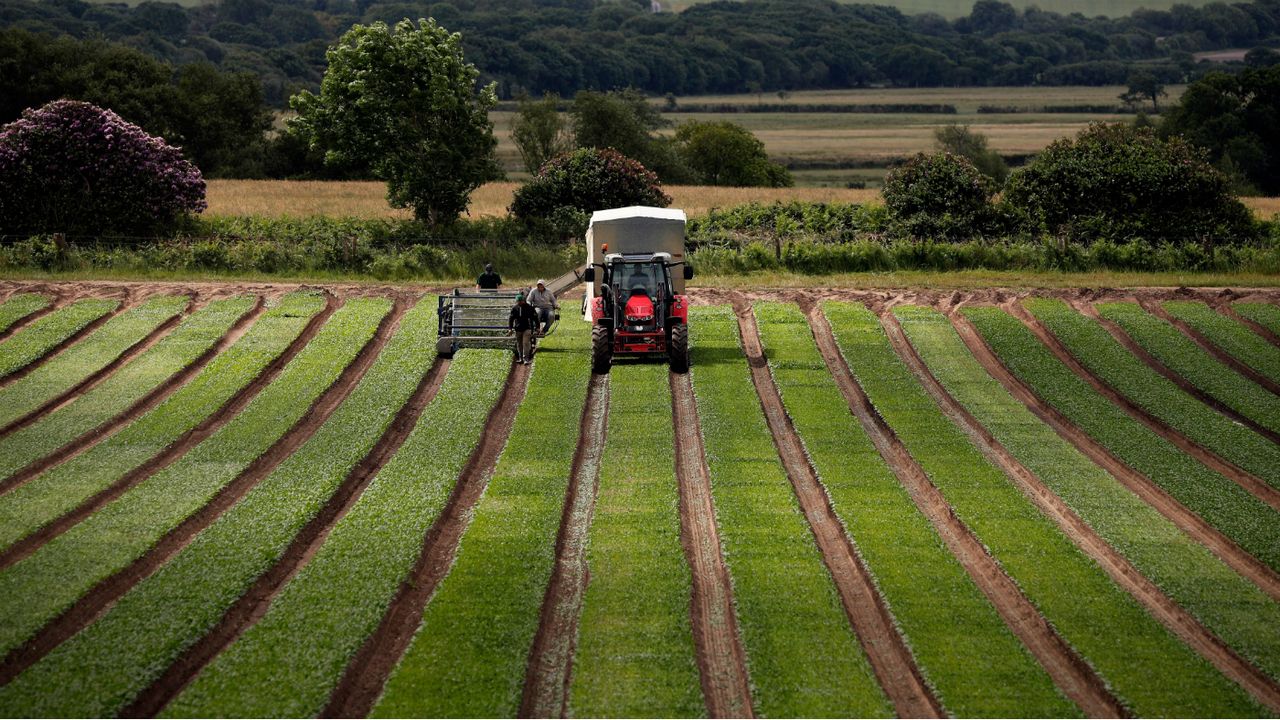
Rural crime cost Wales an estimated £2.2 million last year, with organised criminals continuing to target tractors, livestock and farming equipment despite an overall fall in offences, according to a new report.
04.06.2026

Kenyan Agro-Insurance Startup, Pula Raises US$ 20 Million in Series B Round
Pula, a Kenyan startup that offers insurance to small-scale farmers, aims to serve more than 100 million farmers in Africa after raising US$ 20 million in its Series B round.
04.06.2026
USA - USDA announces $52M to boost public access to private lands for hunting, fishing
The U.S. Department of Agriculture is announcing $52 million to help state and tribal governments encourage private landowners to allow public access to their land for hunting, fishing and other wildlife-dependent recreation through the Voluntary Public Access and Habitat Incentive Program (VPA-HIP).
04.06.2026

Hope Grows in Malawi’s Grain Stores as Farmers Battle Post-Harvest Losses
Some grain rots in poorly ventilated storage. Some is eaten by pests. Some is damaged during drying or transportation before it ever reaches the market.
03.06.2026

Canada - AFSC extends several northern Alberta seeding dates for 2026
Alberta’s Agriculture Financial Services Corp. (AFSC) is extending the recommended seeding dates in the province’s northeast, northwest and Peace regions for several crops for the 2026 growing season only.
03.06.2026

India - Elephants run amok in Konaje agricultural farm, cause massive crop damage
A herd of elephants, including calves, wreaked havoc on an agricultural farm belonging to Yashodhara Gowda at Pallattadka in Konaje village of Kadaba taluk.
