

USA - Crop Insurance Rewards Bad Behavior, Punishes Conservation
08.03.2016 429 views
Federal crop insurance encourages growers to plant crops on land that is vulnerable to soil erosion and discourages landowners from adopting good conservation practices.
That’s the conclusion of a newly released study by Barry Barnett, a professor at Mississippi State University, and Ryan Stockwell, an agriculture manager at National Wildlife Federation. It was commissioned by the AGree Initiative, which works to catalyze “positive change in the food and agriculture system.”
The biggest problem with the crop insurance program created under the federal farm bill is the structure of premium subsidies, which is set by Congress and the Risk Management Agency of the U.S. Department of Agriculture. It sets higher premiums for high-risk regions and crops, which makes sense but also generates much larger taxpayer-paid premium subsidies. The generous subsidies, in turn, encourage cultivation of high-risk land prone to soil erosion. The solution is to lower the subsidies.
EWG’s 2013 “Going, Going, Gone!” report found that “between 2008 and 2012, a total of 5.3 million acres of previously uncultivated, highly erodible land was planted with row crops.” Because many growers took advantage of the crop insurance program, among other reasons, millions of highly erodible acres were converted to cropland.
Crop insurance also penalizes growers who adopt good conservation practices. As EWG’s 2015 “Boondoggle” report described, if a grower plants on environmentally sensitive land and cannot get a crop to grow, he can receive a “prevented planting” payout and remains eligible for the same level of crop insurance on that land the following year. But as the AGree report shows, if a grower adopts good conservation measures, is able to plant but then has a lower crop yield because of poor growing conditions, his insured “yield guarantee” is lowered the following year, putting him at greater risk of suffering a financial loss. In effect, prevented planting insurance penalizes growers who embrace conservation and rewards those who are poor stewards of the land.
Many growers do the right thing. They adopt good conservation practices and don’t plant on high-risk land. But crop insurance provides windfall payments to those who do it wrong.
Hopefully the next farm bill will get crop insurance reform right.
Source - ewg.org
EVENTS

ScaleAgData Stakeholder Engagement Event
22.10.2024The ScaleAgData project is pleased to invite you to our second stakeholder event. Building on the discussions and connections formed during our first webinar, this event will focus on fostering collaboration among stakeholders, providing updates on our project’s progress, and outlining future opportunities for engagement.
RISK EVENTS

Moldova - May frosts caused heavy damage to fruit orchards
10.05.2026The first frosty nights of May have significantly worsened estimates of damage to Moldova's fruit sector from spring frosts. According to initial assessments by fruit market operators, between a quarter and a third of the country's total orchard area was seriously affected.
04.06.2026

India - Delhi raises crop damage compensation after 10 years by over 50% to Rs 75,000 per hectare
In a major relief for farmers, the Delhi government has increased compensation for crop loss caused by rain and hailstorms from Rs 20,000 per acre to Rs 75,000 per hectare.
04.06.2026

Why Tech-Driven Agro-Insurance Has Stumbled in Ethiopia
For decades, Ethiopia’s agricultural sector has remained trapped in a dangerous paradox.
04.06.2026
UK - Rural crime cost Wales £2.2m last year despite fall in offences
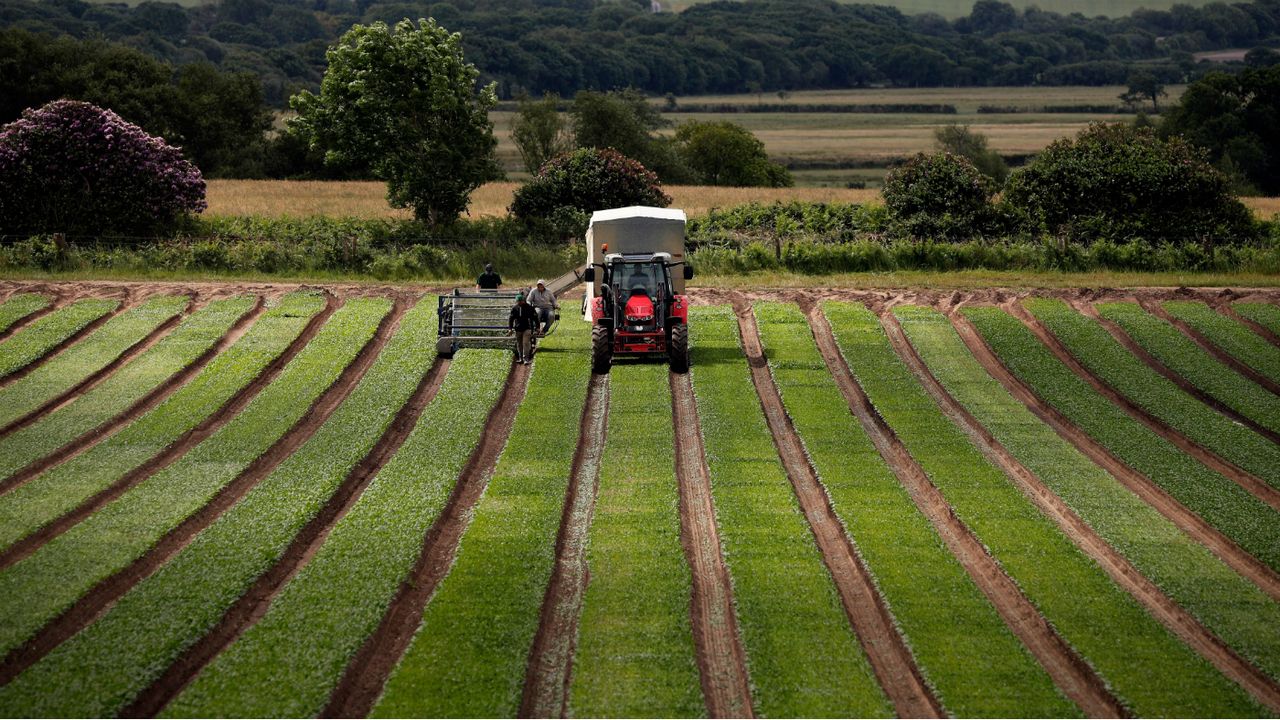
Rural crime cost Wales an estimated £2.2 million last year, with organised criminals continuing to target tractors, livestock and farming equipment despite an overall fall in offences, according to a new report.
04.06.2026

Kenyan Agro-Insurance Startup, Pula Raises US$ 20 Million in Series B Round
Pula, a Kenyan startup that offers insurance to small-scale farmers, aims to serve more than 100 million farmers in Africa after raising US$ 20 million in its Series B round.
04.06.2026
USA - USDA announces $52M to boost public access to private lands for hunting, fishing
The U.S. Department of Agriculture is announcing $52 million to help state and tribal governments encourage private landowners to allow public access to their land for hunting, fishing and other wildlife-dependent recreation through the Voluntary Public Access and Habitat Incentive Program (VPA-HIP).
04.06.2026

Hope Grows in Malawi’s Grain Stores as Farmers Battle Post-Harvest Losses
Some grain rots in poorly ventilated storage. Some is eaten by pests. Some is damaged during drying or transportation before it ever reaches the market.
03.06.2026
Canada - AFSC extends several northern Alberta seeding dates for 2026
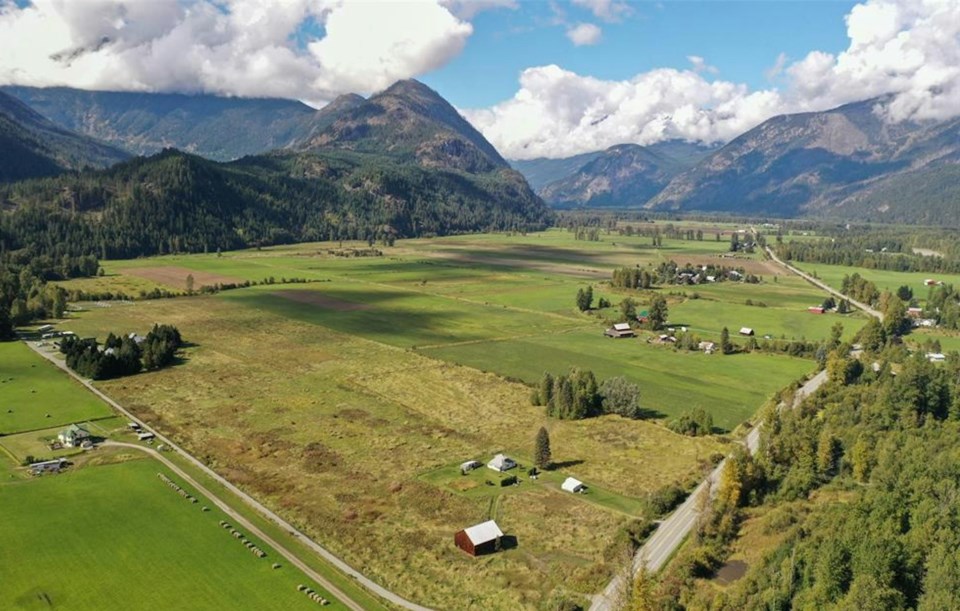
Alberta’s Agriculture Financial Services Corp. (AFSC) is extending the recommended seeding dates in the province’s northeast, northwest and Peace regions for several crops for the 2026 growing season only.
03.06.2026

India - Elephants run amok in Konaje agricultural farm, cause massive crop damage
A herd of elephants, including calves, wreaked havoc on an agricultural farm belonging to Yashodhara Gowda at Pallattadka in Konaje village of Kadaba taluk.
