

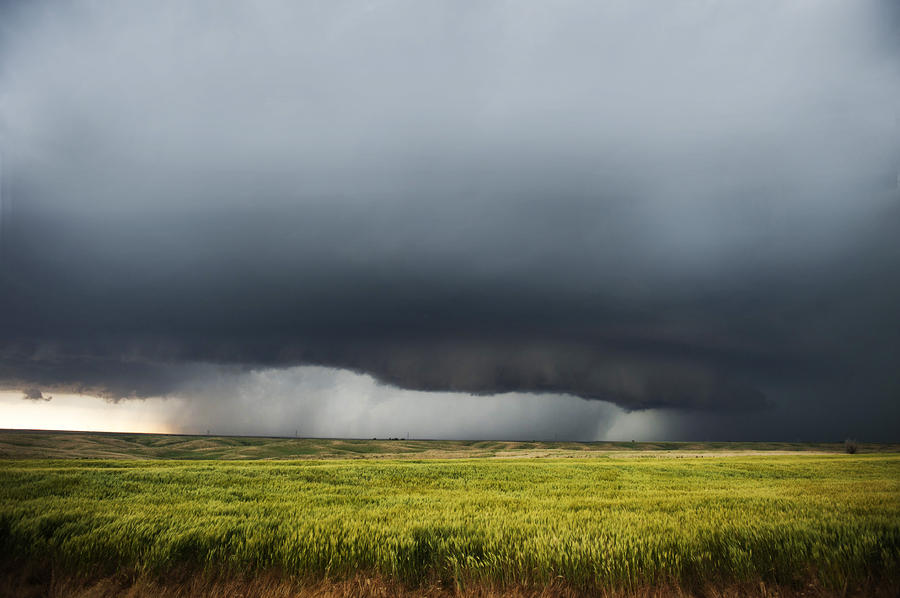
USA - Excess moisture causing crop losses across Texas
13.06.2016 313 views
In any situation, too much of a good thing can be a bad thing, and such is the case with the deluge of rain on crops across much of the state, according to Texas A&M AgriLife Extension Service specialists.
Some regions will fair with limited losses once sunshine and drier conditions return, but others will see producers eyeing alternative crops where extreme losses are experienced.
The problem for the corn crop is flooding came in several waves at critical periods of growth, said Dr. Ronnie Schnell, AgriLife Extension state cropping systems specialist in College Station.
"The Upper Gulf Coast region had corn in good shape up until the most recent round of rain, but it is probably far enough along it won't hurt it," Schnell said. "There were, however, some bottomlands that were flooded out back in March and had to be replanted."
He said if the growing point on seedling corn is submerged, it can result in stand loss. And even if the growing point isn't covered with water, the saturated soils can still stunt the crop or cause nutrient issues.
"But where we have had more trouble this year is in the Blacklands region from Austin north toward Dallas. There was some replanted in March following that period of rains, but even the replanted corn looked rough because of the extended wet period. The early water really set that corn back, and the most recent round of rains didn't help."
Schnell said not all the corn in that region looks bad; there are some fields that are in good shape. However, for those with apparent damage, it is too late to do any replanting of corn, so at this point producers will ride it out and see what they can harvest or some might shred it.
Dr. Clark B. Neely, AgriLife Extension small grains specialist in College Station, said the wet conditions are complicating wheat harvest for many producers in the state, much like in 2015.
Last year the problems were in South Texas and the Blacklands. While sprouting and crop failure in these regions are still a possibility this year, the biggest area of concern now appears to be in the Rolling Plains and portions of the southern High Plains, which are already harvesting ahead of schedule due to the mild winter.
"Wheat yields in these regions are above average, which may help some producers offset low wheat prices this year, but only if grain quality is not compromised or the crop is not lost from heavy rains, lodging or hail," Neely said.
"Some portions of the Concho Valley were harvesting the last week of May, but were forced out of their fields with constant rainfall. When harvesting resumed this week, there were reports indicating sprouting has occurred in some fields."
He said sprouting becomes an issue once wheat reaches physiological maturity, so this critical threshold has been reached in many fields.
"As conditions dry out this week and more fields are harvested, producers will have a better handle on the amount, if any, of damage to the crop," Neely said. "Producers may also be looking at dockage at elevators from overall poor quality grain, low test weights and fungal head diseases such as sooty mold, which often occur with wet conditions during harvest."
Dr. Gaylon Morgan, AgriLife Extension state cotton specialist in College Station, said the wet spring and early summer in the Coastal Bend, Upper Gulf Coast and Blacklands regions are starting to cause a yellowing of cotton.
The heavy clay soils in these regions drain slower and the excessive rain has led to prolonged saturated conditions, with little oxygen remaining in the soil, he said. Without oxygen, the plant root respiration and nutrient and water uptake from the soil is substantially reduced, leading to nutrient deficiency.
"During the last week of May and early June, yellow cotton was widespread across the Coastal Bend as the crop was loaded with squares and approaching the early bloom stage," Morgan said.
The yellowing symptoms are more prevalent in the poorly drained fields where the soil has remained saturated for five to 10 days, he said.
"Also, at the current growth stage, the cotton plants have a tremendous nutrient uptake demand, and simultaneously poor conditions for nutrient uptake into the roots," Morgan said. "In the majority of the fields, the upper cotton canopy is yellow while the lower canopy is green."
Nitrogen, phosphorous, potassium and magnesium are plant mobile nutrients and will move from older leaves to newer leaves when insufficient nutrients are available, he said. As a result, deficiency symptoms occur on the older leaves of the plant first. Calcium, sulfur, iron, zinc, boron and some other elements are immobile in the plant, so these nutrient deficiencies symptoms occur first in the upper leaves, which is the current situation in the Coastal Bend.
Specific nutrient deficiencies in cotton can be viewed on the International Plant Nutrition Institute Web page at http://www.ipni.net/article/IPNI-3327.
"Based on previous experience and conversations with people familiar with the Coastal Bend, I would expect the nutrient deficiency symptoms to disappear as the soils dry, oxygen re-enters the soil and nutrient uptake resumes," Morgan said.
He said the level of yield loss due to the insufficient supply of nutrients is hard to predict and will be more affected by growing conditions during the remainder of the season.
Morgan said producers can collect some upper leaves in yellow areas of the field and submit them to a laboratory to identify the nutrient levels, following up with a foliar applications of the limited nutrients if necessary. He suggested leaving an untreated strip to assess whether the foliar nutrient application worked.
Dr. Thomas Isakeit, AgriLife Extension plant pathologist in College Station, said several fields in the Blacklands experienced leaf diseases due to the wet weather. While symptoms resemble Ascochyta blight, also known as "wet weather blight," he said it was primarily a fungus, Phoma leaf spot, with other fungi associated with petiole and stem lesions.
"The appearance of these cotton diseases has been associated with frequent, rainy weather," Isakeit said. "It appears that with warm, dry weather, the cotton plant outgrows the fungus. In one field, I did a fungicide application on some rows and after seven days, I did not see any difference between the treated and untreated rows.
"In this time, there were some clear, warm days and new and upper leaves of all plants looked good. There may be a problem with the stand in some fields where stem lesions are present, but the Phoma leaf spot should not be a long-term problem."
Another concern expressed by Dr. Larry Redmon, AgriLife Extension state forage specialist in College Station, is there will be a lot of hay produced in the wake of this abundance of moisture, but the quality is likely to be low because it can't be cut in a timely fashion.
"Producers will need to get any forage they receive later this summer tested before feeding it to their livestock," Redmon said. "If the nutrient quality is below that of the animal's needs, they will need to supplement the feed."
Across the state, where crop stands are washed away or the crop is beyond saving, producers will have to look at alternative crops to plant in place of the failed one.
Dr. Calvin Trostle, AgriLife Extension agronomist in Lubbock, said though some hailstorms, wind damage and poor stands have occurred in the South Plains, the main concern is unplanted ground that was intended for cotton. Some producers now are looking at replant situations or delayed planting, but cotton or a full-season crop is no longer viable.
The 14th annual Alternative Crop Options after Failed Cotton and Late-Season Crop Planting guide for the Texas South Plains, http://lubbock.tamu.edu, is oriented to the South Plains, but producers in the Concho Valley, the Rolling Plains and the Panhandle can find useful options, especially on crops they might be less familiar with, Trostle said.
Features of the guide include:
Links for assessing current crop damage, leaf area, growing point, etc., and viable plant populations for cotton, corn, grain sorghum and sunflower.
Information on crop termination, applied herbicides and replant options.
"First things" information for over a dozen possible replant/late plant crop. This includes agronomic planting dates, suggested seeding rates and contractor information for applicable crops.
Source - http://www.reporternews.com
EVENTS

ScaleAgData Stakeholder Engagement Event
22.10.2024The ScaleAgData project is pleased to invite you to our second stakeholder event. Building on the discussions and connections formed during our first webinar, this event will focus on fostering collaboration among stakeholders, providing updates on our project’s progress, and outlining future opportunities for engagement.
RISK EVENTS

Moldova - May frosts caused heavy damage to fruit orchards
10.05.2026The first frosty nights of May have significantly worsened estimates of damage to Moldova's fruit sector from spring frosts. According to initial assessments by fruit market operators, between a quarter and a third of the country's total orchard area was seriously affected.
04.06.2026

India - Delhi raises crop damage compensation after 10 years by over 50% to Rs 75,000 per hectare
In a major relief for farmers, the Delhi government has increased compensation for crop loss caused by rain and hailstorms from Rs 20,000 per acre to Rs 75,000 per hectare.
04.06.2026

Why Tech-Driven Agro-Insurance Has Stumbled in Ethiopia
For decades, Ethiopia’s agricultural sector has remained trapped in a dangerous paradox.
04.06.2026
UK - Rural crime cost Wales £2.2m last year despite fall in offences
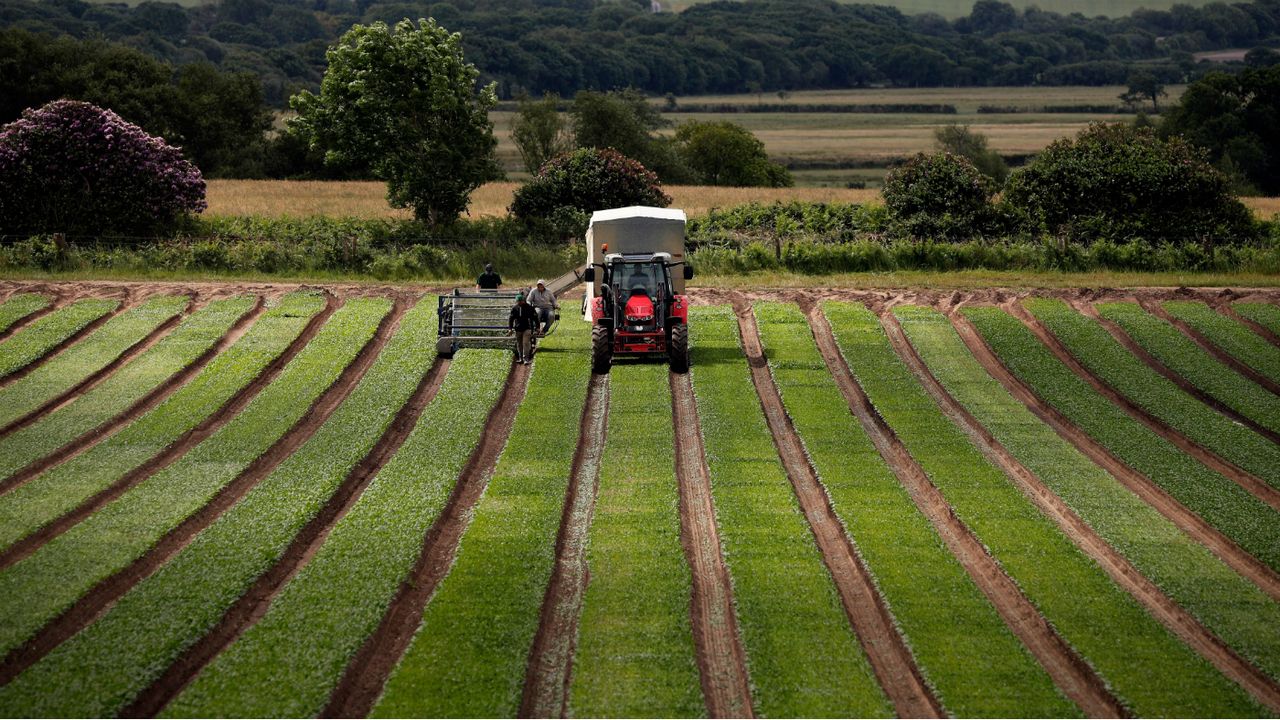
Rural crime cost Wales an estimated £2.2 million last year, with organised criminals continuing to target tractors, livestock and farming equipment despite an overall fall in offences, according to a new report.
04.06.2026

Kenyan Agro-Insurance Startup, Pula Raises US$ 20 Million in Series B Round
Pula, a Kenyan startup that offers insurance to small-scale farmers, aims to serve more than 100 million farmers in Africa after raising US$ 20 million in its Series B round.
04.06.2026
USA - USDA announces $52M to boost public access to private lands for hunting, fishing
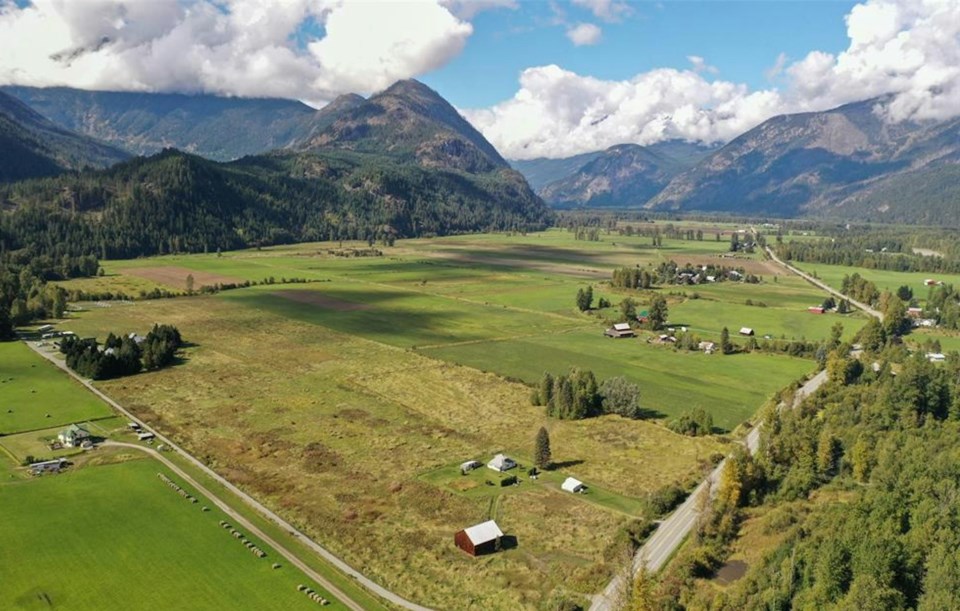
The U.S. Department of Agriculture is announcing $52 million to help state and tribal governments encourage private landowners to allow public access to their land for hunting, fishing and other wildlife-dependent recreation through the Voluntary Public Access and Habitat Incentive Program (VPA-HIP).
04.06.2026

Hope Grows in Malawi’s Grain Stores as Farmers Battle Post-Harvest Losses
Some grain rots in poorly ventilated storage. Some is eaten by pests. Some is damaged during drying or transportation before it ever reaches the market.
03.06.2026
Canada - AFSC extends several northern Alberta seeding dates for 2026
Alberta’s Agriculture Financial Services Corp. (AFSC) is extending the recommended seeding dates in the province’s northeast, northwest and Peace regions for several crops for the 2026 growing season only.
03.06.2026

India - Elephants run amok in Konaje agricultural farm, cause massive crop damage
A herd of elephants, including calves, wreaked havoc on an agricultural farm belonging to Yashodhara Gowda at Pallattadka in Konaje village of Kadaba taluk.
