

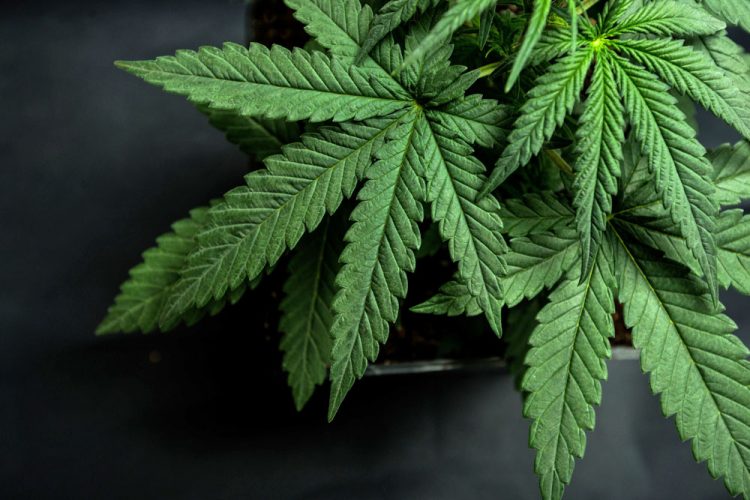
USA - Farmers could plant hemp in Arizona fields this summer, if bill passes
11.02.2019 820 views
It is a new crop that holds a lot of promise for Arizona. Far from the flashy dispensaries that grow medical marijuana behind ten foot high walls and in greenhouses, this cash crop will be growing right out in the open.
Farmers all over Arizona are now gearing up to grow hemp. Since the state legalized the crop last year, the Arizona Department of Agriculture has been working to set up rules and licensing for those who are interested in growing the crop. Even though it's legal, it will be heavily regulated by the state because of its close relationship to marijuana. By law, hemp cannot have any more than 0.3% of THC in it, the ingredient in marijuana that provides the high.
Bruce Perlowin, a California businessman, is one of many who is already setting his sights on Arizona to grow what he calls a cash crop.
"Hemp means a goldmine for Arizona. An absolute goldmine," he said.
Perlowin is already running two successful hemp growing and processing operations in Oregon and North Carolina. His company has created a product using industrial hemp to clean up oil spills.
Perlowin has already purchased about 545 acres of farmland near Kingman. He plans to set up what he calls a 'hemp village' there and hire dozens of veterans to work the farm.
Perlowin said this was his way to give back to veterans who had protected our country. He said he plans to provide other services for them, including counseling for PTSD or other issues they may be facing, and stock in the company to give them a sense of ownership.
"Hemp is actually bypassing marijuana in price point, and you don't get high," said Perlowin.
Perlowin also wants to start a 'hemp university' in Arizona where farmers interested in growing the crop could get education and advice from those already experienced in the industry. He added that farmers he knew in other states were already cashing in.
"When a farmer can make $100,000 an acre that is good money. That allows the small family farm to re-emerge into the American landscape--including Arizona," said Perlowin.
Despite the promise and optimism from so many, Pinal County farmer Paul Ollerton said he was taking a cautious approach toward farming Hemp.
He liked the fact that hemp required much less water than the cotton or alfalfa he was currently farming.
"To me, it's promising as another crop," said Ollerton, "but there's a lot of things we just don't know."
One of his concerns was how the crop would fare in the scorching triple-digit heat. Ollerton had said he had heard THC levels in a plant could go up when it is stressed.
State officials have said any plant with more than 0.3% of THC in it would be officially considered marijuana and illegal to grow without a medical marijuana license.
Ollerton said he feared that could lead to the destruction of his entire field of hemp.
"That's a sizeable loss taken right out of my pocket if I can't harvest it," said Ollerton.
Perlowin said in all his years working in the hemp industry he had never seen that happen. He said farmers would need to educate themselves on the right conditions and strains to grow. The farms he had been in had mobile labs set out in the field constantly monitoring the THC levels to ensure compliance.
Perlowin said if the THC levels got to 0.3% they would harvest the crop earlier.
Hemp is also expected to bring many new jobs to Arizona.
While there is no official estimate at this point, Arizona Farm Bureau officials said the anticipated hemp boom could lead to jobs not only on the farms but also processing plants to turn the crop into an industrial product or cannabinoids.
Hemp is used industrially as rope, textile and paper, while its extracts form the basis of several therapeutic products, such as CBD.
Economic impact studies are showing that hemp and CBD could grow up to 700% by 2020.
"We know it's a burgeoning market, there is really a demand for it in varying forms," said Chelsea McGuire, the government relations director for the Arizona Farm Bureau.
If a new bill proposed by state Senator Sonny Borrelli passes, Arizona farmers could start planting their first hemp seeds by early June.
All farmers will have to apply and receive a state license.
Source - https://www.kgun9.com
EVENTS

ScaleAgData Stakeholder Engagement Event
22.10.2024The ScaleAgData project is pleased to invite you to our second stakeholder event. Building on the discussions and connections formed during our first webinar, this event will focus on fostering collaboration among stakeholders, providing updates on our project’s progress, and outlining future opportunities for engagement.
RISK EVENTS

Moldova - May frosts caused heavy damage to fruit orchards
10.05.2026The first frosty nights of May have significantly worsened estimates of damage to Moldova's fruit sector from spring frosts. According to initial assessments by fruit market operators, between a quarter and a third of the country's total orchard area was seriously affected.
27.10.2026
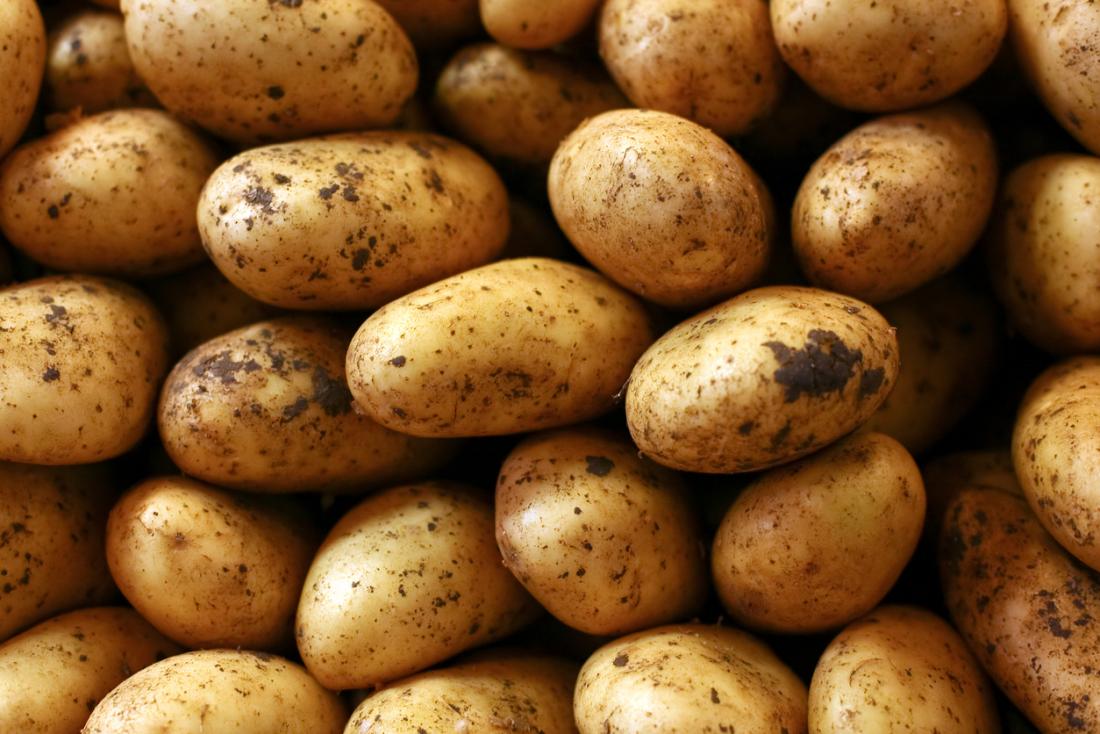
USA - Potato breeding research targets reduced handling damage and crop losses
Potato breeding research is examining how tuber characteristics influence damage during harvesting, storage, grading, and packing. The objective is to increase marketable yields while maintaining crop quality and meeting market specifications.
27.10.2026
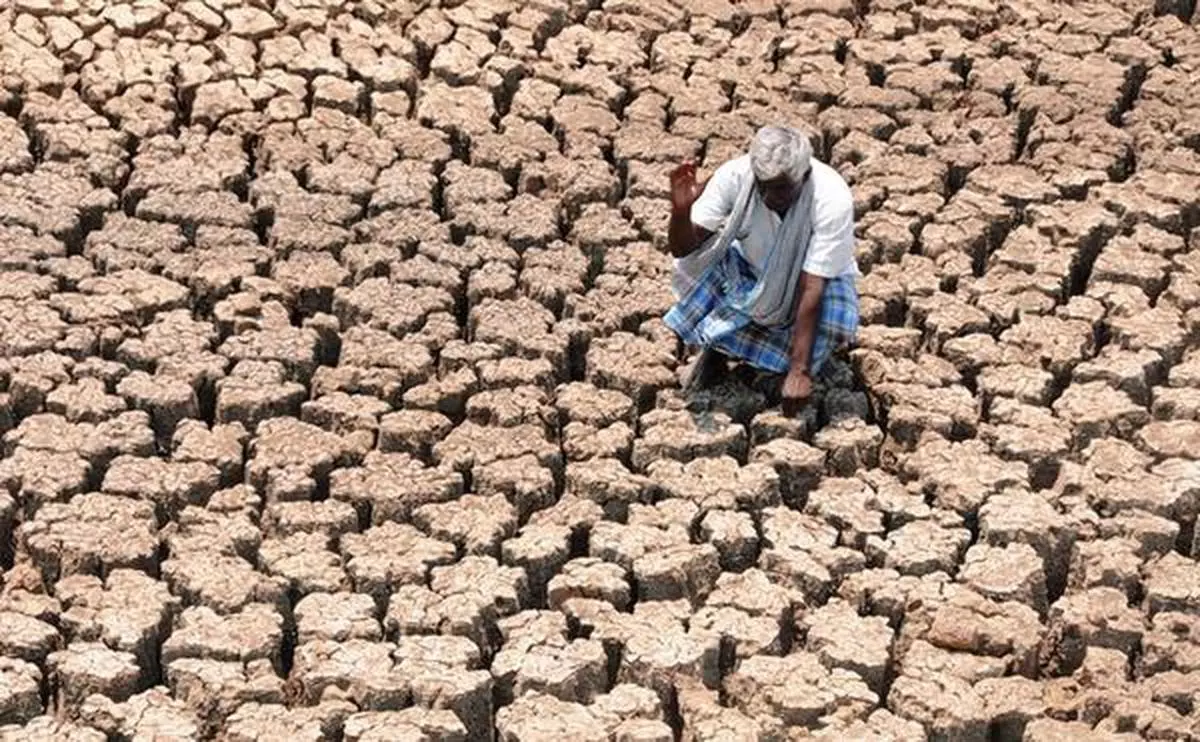
India - Gujarat Drought Relief Triggers Farmer Backlash Over ₹8,500 Aid
Gujarat’s drought relief package has triggered opposition from farmer leaders in Dwarka, who say the proposed assistance of ₹8,500 per hectare is inadequate and have announced a possible agitation from November 12 if the government does not revise the eligibility and assistance norms.
27.10.2026
USA - Fall Covers for Spring Savings incentive program returns
The Illinois Department of Agriculture is launching the eighth year of its Fall Covers for Spring Savings Program.
27.10.2026
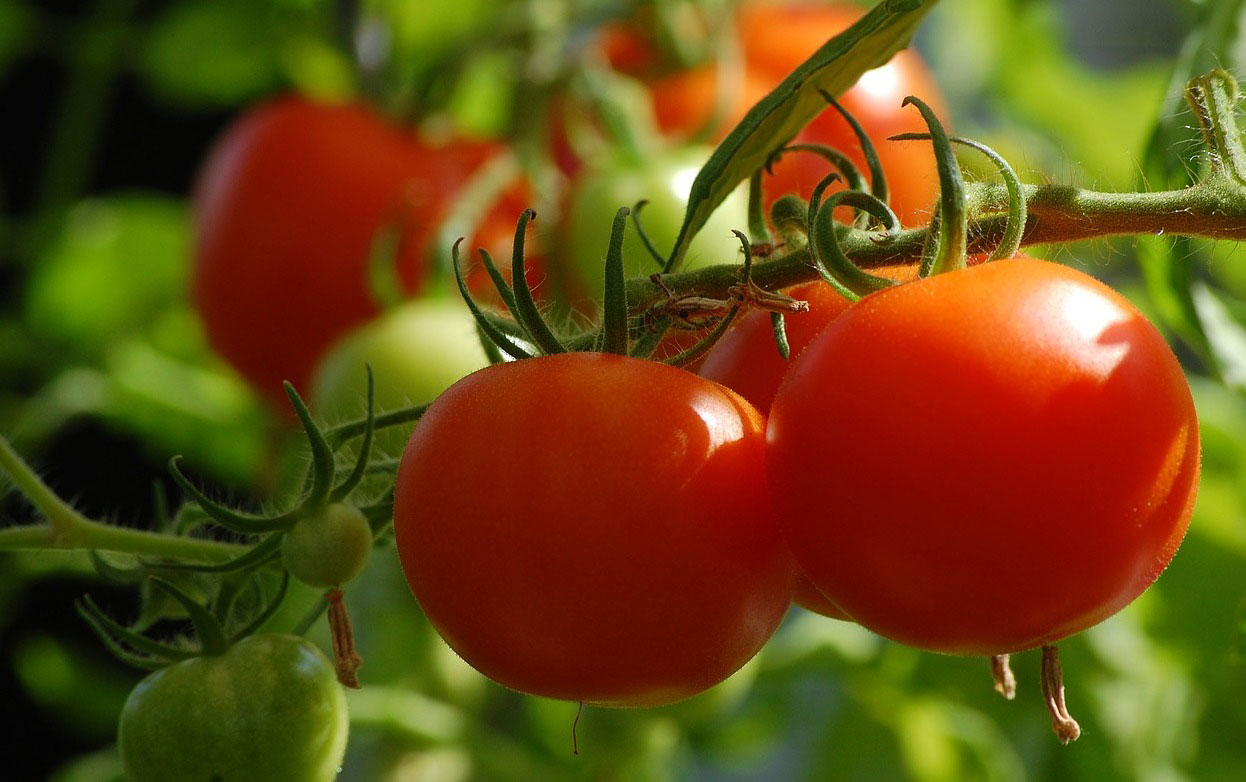
India-Ghana Agricultural Pact targets tomato production, crop research and post-harvest losses
Five-year ICAR–CSIR-CRI agreement puts vegetable research, tuber processing, cold-chain technology and commercialisation at the centre of India-Africa agricultural cooperation.
27.10.2026

India - Tandur Gram Crop Withers Amid Water and Power Shortages
Tandur gram received the Geographical Indication (GI) tag in December 2022, recognising its distinctive identity and quality. However, farmers who cultivate the crop are now struggling to save their produce amid unfavourable conditions.
27.10.2026
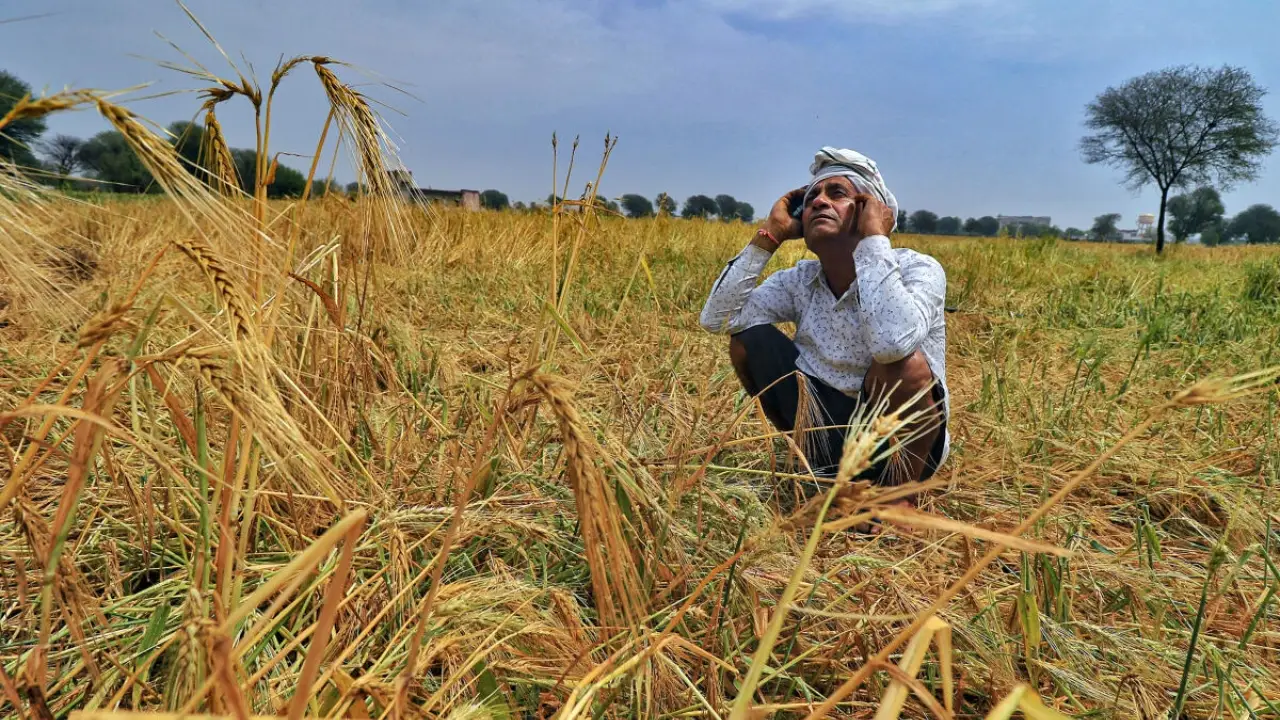
India - Odisha Issues Show-Cause Notice to 6 ADMs Over PMFBY Data Lapses
The Cooperation Department of Odisha has issued show-cause notices to the Additional District Magistrates (ADMs) and PMFBY Nodal Officers of six districts for severe negligence in uploading Crop Cutting Experiment (CCE) data under the Pradhan Mantri Fasal Bima Yojana (PMFBY).
26.10.2026
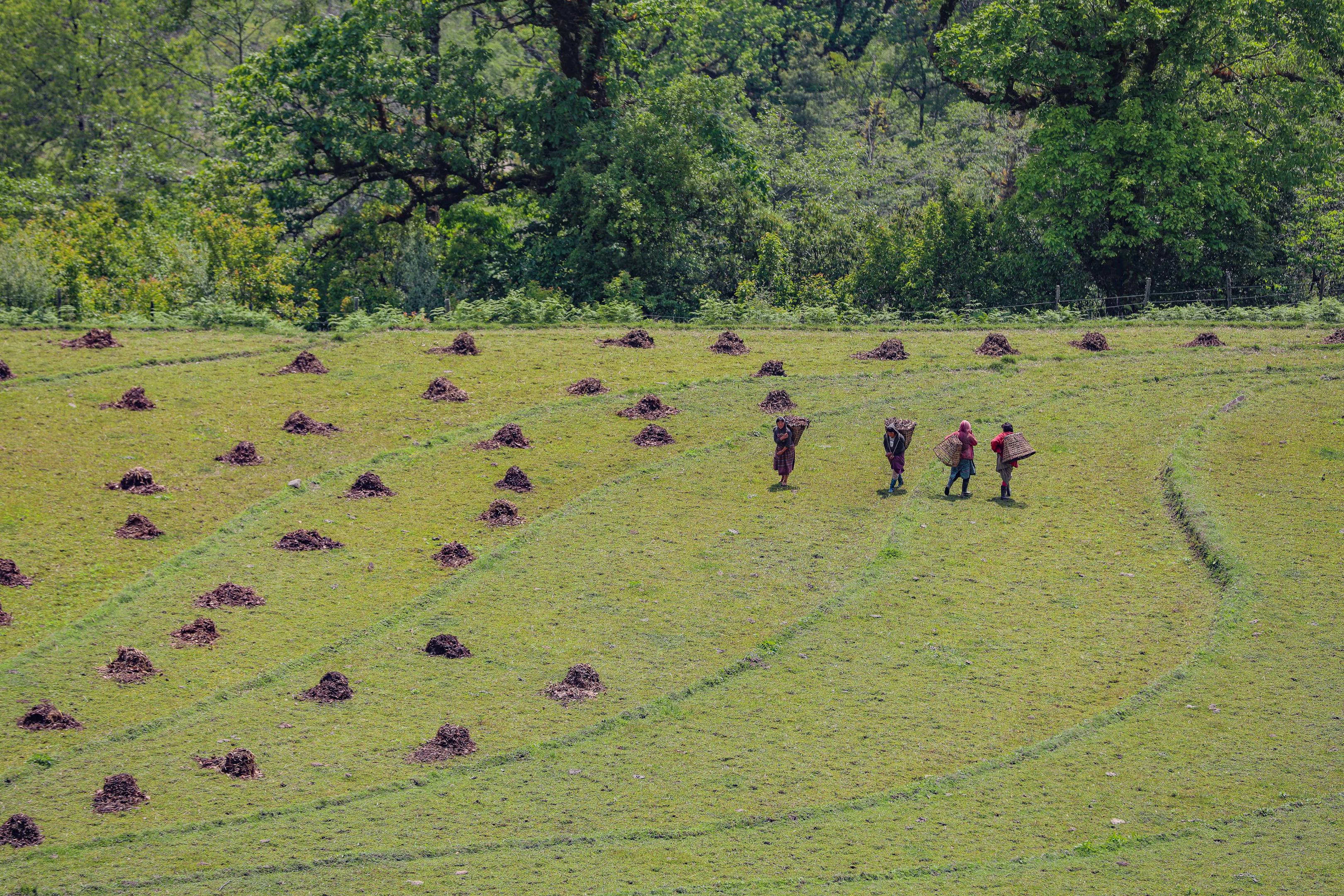
Malaysia studies expanding crop insurance to other agricultural sectors
The government is assessing steps to expand the crop insurance scheme as the agricultural sector faces increasingly significant risks from natural disasters and extreme weather. A comprehensive study is needed before the scheme can be extended beyond rice crops, including to examine how premiums should be paid and losses assessed.
26.10.2026
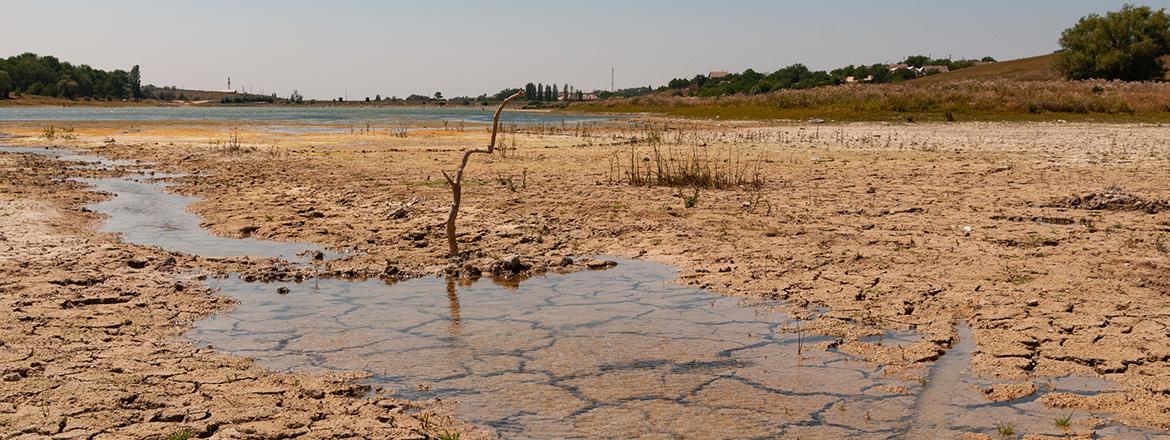
Crop losses from recurring droughts ‘shrinking Poland’s economy and impacting businesses’
A new report has found that lower crop yields significantly affect industries beyond agriculture, including trade and transport.
