

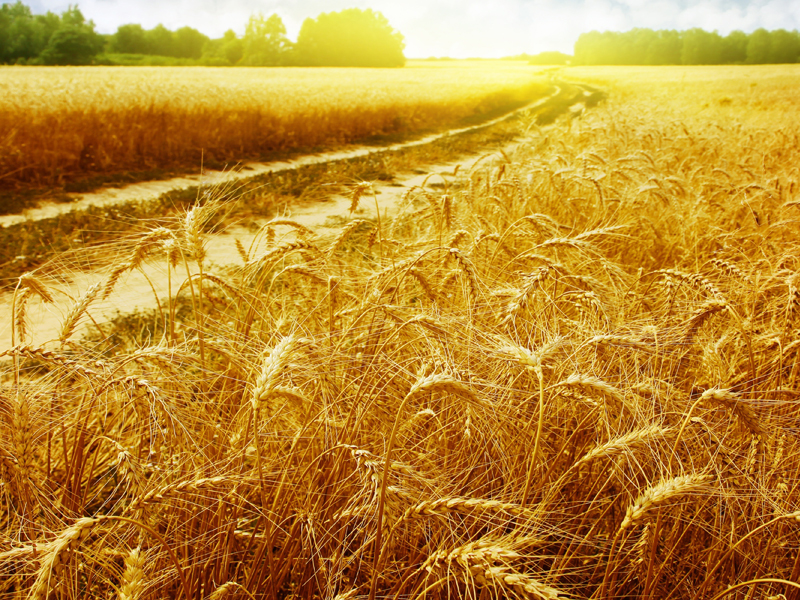
USA - Farming in the South riskier than in Midwest
14.04.2016 522 views
The regional differences between the Midwest and Southern agriculture are striking.
One of the common phrases uttered during the 2014 Farm Bill development process was that a “one-size-fits-all” farm program would not work for the diversity of crops and production regions in this country.
As a result, the bill included a revenue-based program that was theorized to work better for corn and soybeans and a price-risk based program that was designed to work best for rice, peanuts and perhaps wheat. Cotton was only eligible for a new crop insurance program due to trade-agreements with Brazil.
Consider that Midwest crop production (Iowa / Illinois) benefits from a natural hedge between production and price. When the “I-States” have a large production problem like the 2012 drought, this futures market responds with higher commodity prices. A drought in Kentucky or the Southeast will not garner the same price response from the futures market unless the “I-States” also are included in the same drought. This means that regional droughts and below-average production may be coupled with below-average prices.
The Midwest also has lower yield risk and lower insurance premiums than any area outside of the core production region. Midwest farmers use trend-adjusted yield protection to continue to increase the APH coverage for their crops. Still, an indemnity may not be triggered most years, resulting in a low-cost actuarially fair insurance product. The yield risk in the South is much greater and indemnities are triggered more frequently. Hence, the actuarially fair crop insurance premium in the South is larger than the Midwest at a lower APH protection level.
The increase of the biofuel industry throughout the Midwest coupled with the established livestock industry has changed basis patterns throughout the major production regions. Prior to the biofuel boom, many areas in the Midwest that were grain surplus had a much wider basis at harvest than other regions of the country including the Southeast. This increase in local use of corn has strengthened basis patterns even at harvest providing better pricing and profitability opportunities than before the biofuel boom.
The Southeast, being a grain-deficit and soybean-meal-deficit region, tends to benefit from a strengthening and appreciating basis much sooner after harvest, rewarding those that have the capacity to store grain on-farm in good quality condition. Understanding basis seasonality and knowing your local basis is important in finding pricing opportunities after harvest.
The other major difference in farming and risk between the two regions is reflected in land values. The Midwest with soils with larger yield potential and with lower yield variability has seen greater appreciation in land values and an opportunity for landowners to build equity. The lower yield potential and greater yield risk reduces land value appreciation in the South and limits the opportunity to build equity as in the Midwest. The ability to build and maintain equity is part of your business’s war chest for future business success.
Source - southeastfarmpress.com
EVENTS

ScaleAgData Stakeholder Engagement Event
22.10.2024The ScaleAgData project is pleased to invite you to our second stakeholder event. Building on the discussions and connections formed during our first webinar, this event will focus on fostering collaboration among stakeholders, providing updates on our project’s progress, and outlining future opportunities for engagement.
RISK EVENTS

Moldova - May frosts caused heavy damage to fruit orchards
10.05.2026The first frosty nights of May have significantly worsened estimates of damage to Moldova's fruit sector from spring frosts. According to initial assessments by fruit market operators, between a quarter and a third of the country's total orchard area was seriously affected.
04.06.2026

India - Delhi raises crop damage compensation after 10 years by over 50% to Rs 75,000 per hectare
In a major relief for farmers, the Delhi government has increased compensation for crop loss caused by rain and hailstorms from Rs 20,000 per acre to Rs 75,000 per hectare.
04.06.2026

Why Tech-Driven Agro-Insurance Has Stumbled in Ethiopia
For decades, Ethiopia’s agricultural sector has remained trapped in a dangerous paradox.
04.06.2026
UK - Rural crime cost Wales £2.2m last year despite fall in offences
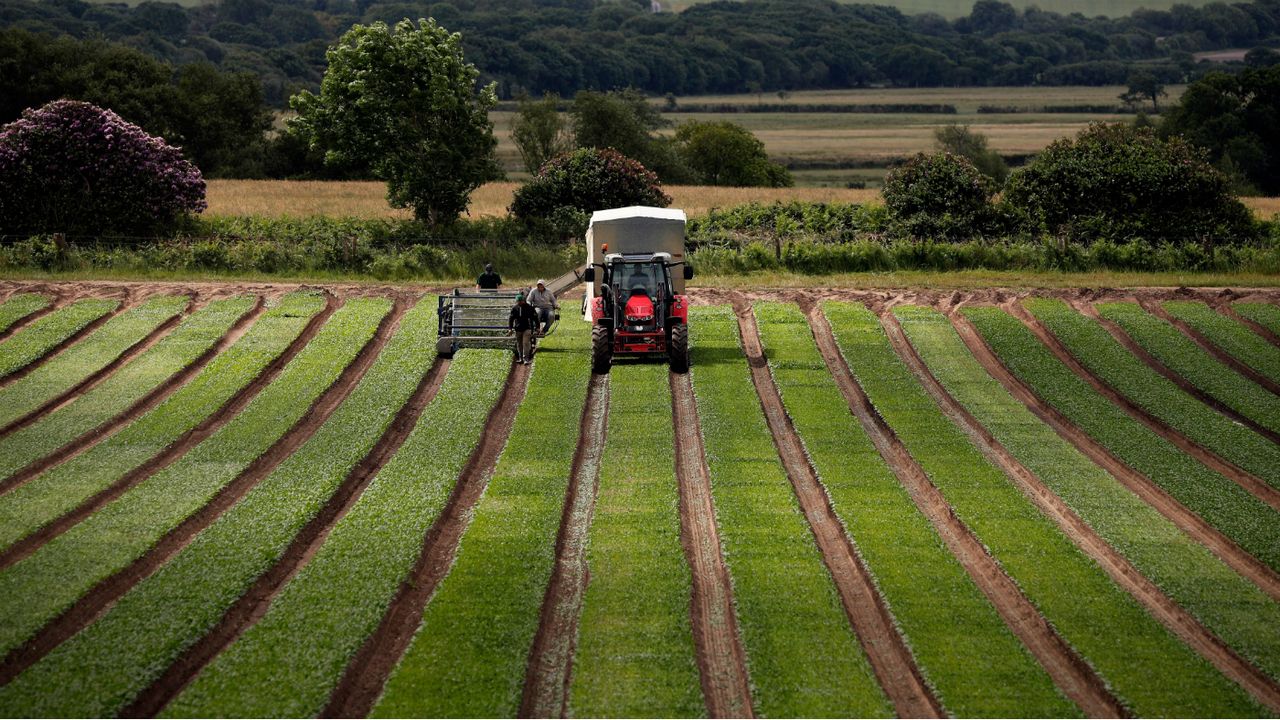
Rural crime cost Wales an estimated £2.2 million last year, with organised criminals continuing to target tractors, livestock and farming equipment despite an overall fall in offences, according to a new report.
04.06.2026

Kenyan Agro-Insurance Startup, Pula Raises US$ 20 Million in Series B Round
Pula, a Kenyan startup that offers insurance to small-scale farmers, aims to serve more than 100 million farmers in Africa after raising US$ 20 million in its Series B round.
04.06.2026
USA - USDA announces $52M to boost public access to private lands for hunting, fishing
The U.S. Department of Agriculture is announcing $52 million to help state and tribal governments encourage private landowners to allow public access to their land for hunting, fishing and other wildlife-dependent recreation through the Voluntary Public Access and Habitat Incentive Program (VPA-HIP).
04.06.2026

Hope Grows in Malawi’s Grain Stores as Farmers Battle Post-Harvest Losses
Some grain rots in poorly ventilated storage. Some is eaten by pests. Some is damaged during drying or transportation before it ever reaches the market.
03.06.2026
Canada - AFSC extends several northern Alberta seeding dates for 2026
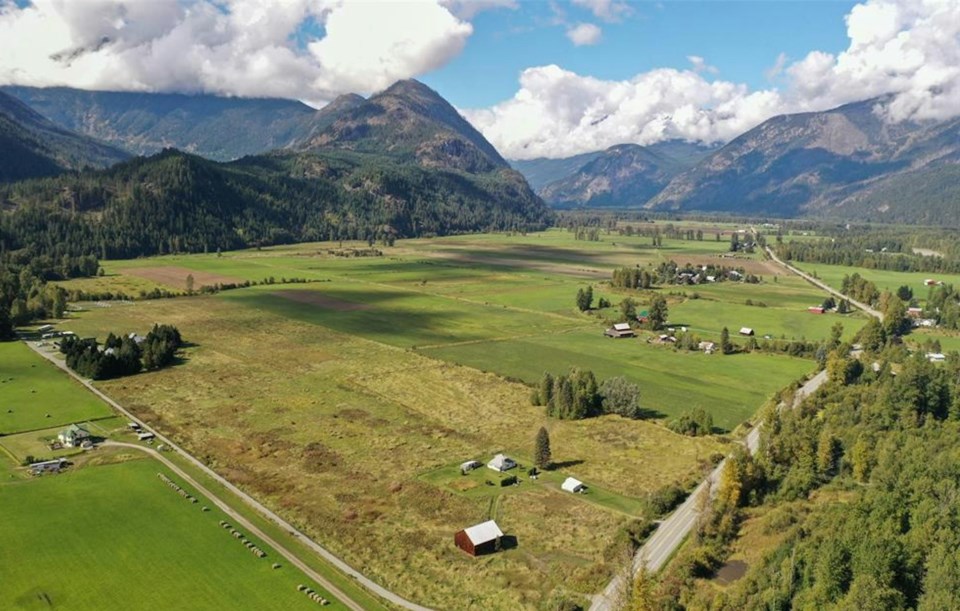
Alberta’s Agriculture Financial Services Corp. (AFSC) is extending the recommended seeding dates in the province’s northeast, northwest and Peace regions for several crops for the 2026 growing season only.
03.06.2026

India - Elephants run amok in Konaje agricultural farm, cause massive crop damage
A herd of elephants, including calves, wreaked havoc on an agricultural farm belonging to Yashodhara Gowda at Pallattadka in Konaje village of Kadaba taluk.
