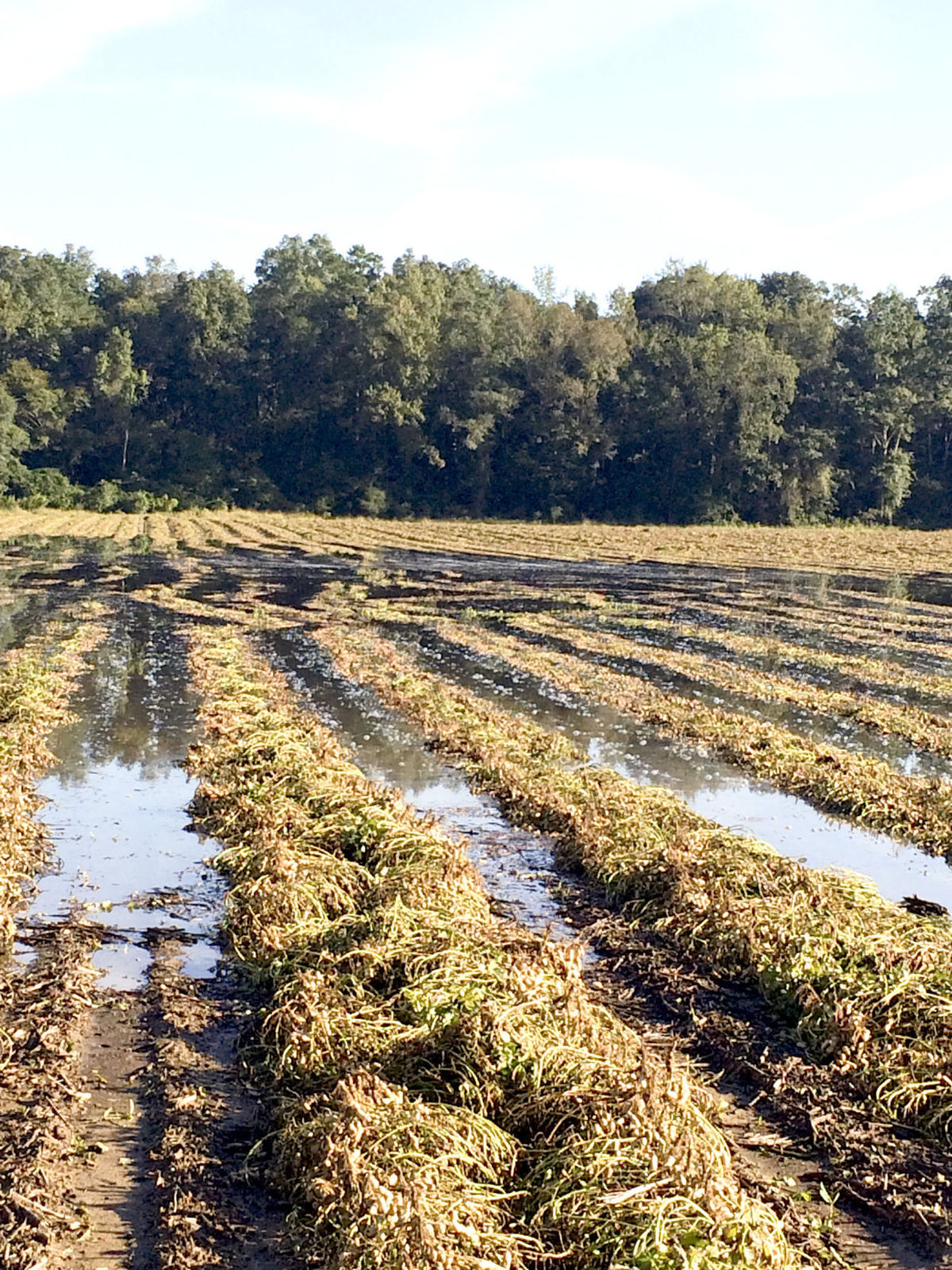
 Dean Hutto welcomes the help state lawmakers approved for farmers hurt by last year’s flooding.
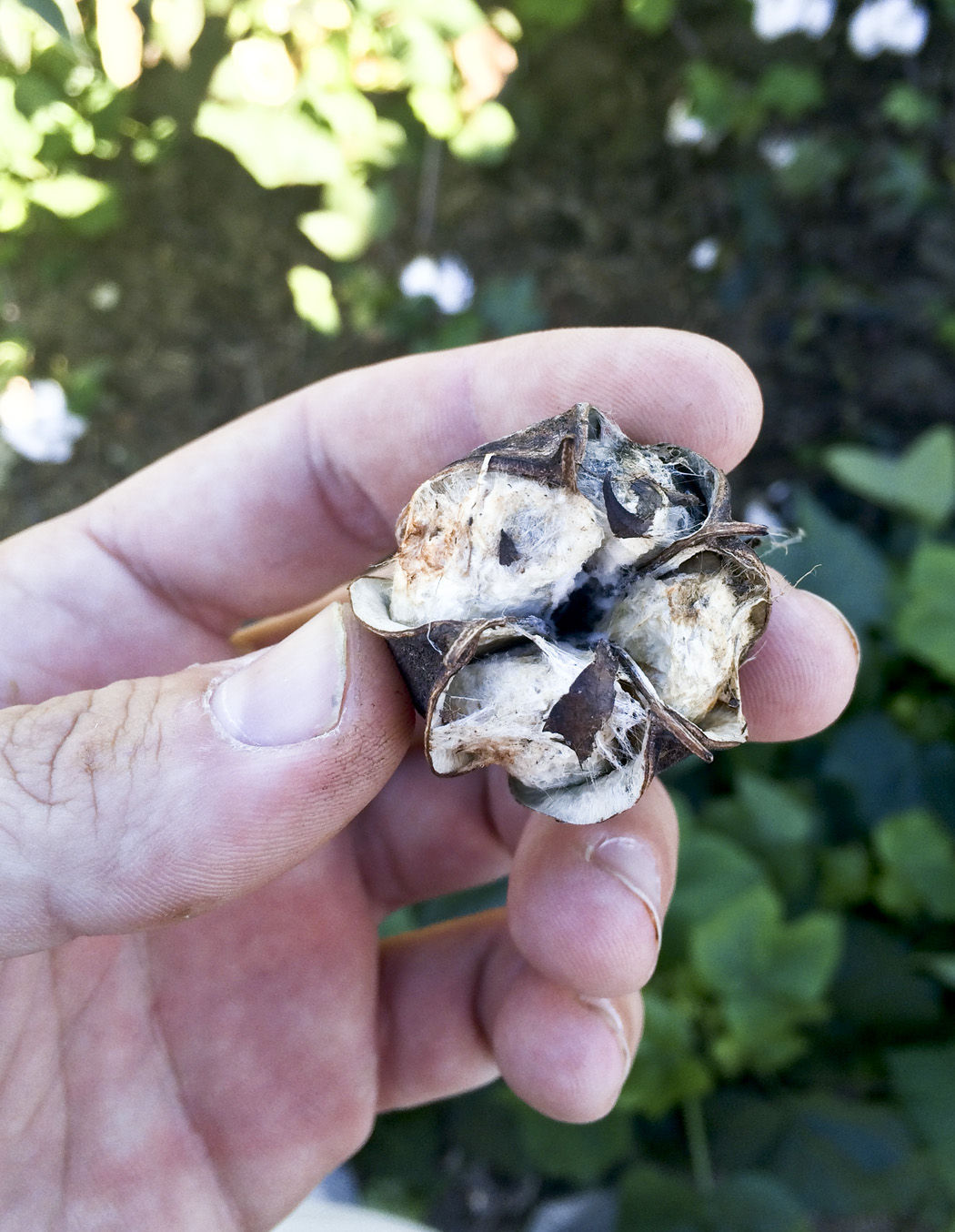
The Providence farmer lost all of his cotton and about 80 percent of his peanuts. About 20 percent of his soybean crop stayed in the field because of the water.
“I can definitely use it,” Hutto said. “I am going to get some benefit out of it and overall I see a lot of farmers in South Carolina are too.”
Gov. Nikki Haley vetoed a bill setting aside $40 million to help farmers recover from losses sustained during the floods. Lawmakers overrode her veto this week.
The bill will allow farmers to apply for grants of up to $100,000 each, covering no more than 20 percent of their total loss.
The grants will only cover production costs such as seed and fertilizer, not debt or new equipment.
Hutto said approval is “better late than never.”
“As much as anything, the fact that people are eligible to apply for it now is going to be a morale boost for the agriculture industry,” Hutto said. “It is another opportunity to get over last year.”
But Hutto cautioned that there are many misconceptions about the aid.
“There are going to be some people who think they qualify and they are not going to qualify,” Hutto said. “I may not qualify.”
“This is far from a hand-out,” he continued. “It is pretty strenuous criteria. A lot of people will qualify, but in order to prove their loss they will not get the money they think they will. This is a very conservative helping hand. This is not ‘sign your name on the dotted line and you get $100,000.’”
 To be eligible for a grant, a farmer needs to have suffered a loss of at least 40 percent from the floods, be in a county that was declared a disaster and sign an affidavit certifying that each loss presented is accurate, according to the bill.
The T&D Region counties were all part of the disaster area, with some areas receiving nearly 20 inches of rain.
Statewide, the total crop loss as a result of the floods was nearly $400 million. It is estimated that about 33 percent of the crop loss was covered by insurance.
The S.C. Department of Agriculture, with the assistance of the S.C. Department of Revenue, will be responsible for overseeing a farm aid advisory board which will make recommendations and specify eligibility and grant amounts to farmers.
The advisory board will include S.C. Agriculture Commissioner Hugh Weathers or his designee, who will serve as chairman; the director of the Department of Revenue, or his designee; Clemson University’s vice president for public service and agriculture, or his designee; and the vice president for land grant services of South Carolina State Public Service Activities, or his designee.
Other members will include one member from S.C. Farm Bureau, one member from the farm credit association, one member from the crop insurance industry and one agricultural commodities producer.
The board will hold its initial meeting within 20 days of being formed to recommend an application process.
Weathers hopes the first meeting of the Farm Aid Advisory board will be held by the end of May.
He said the board will work in collaboration with farm service agencies to ensure distribution efforts are fair and equitable.
“That is a big challenge,” Weathers said. One of the goals is to make the process easy to understand.
“We want to make sure we don’t skip anything important and to follow all the steps in the process,” he said. “It is important to get this done as soon as we can.”
Weathers has expressed hopes that the money will be available by the end of summer. He’s encouraging farmers to build relationships with their suppliers in hopes credit will be extended until the money is available.
When the process is approved, the Department of Agriculture will provide the chairmen of the S.C. House Ways and Means Committee and the Senate Finance Committee with a written copy of its application process.
Farmers will then be able to apply for grants within 45 days after the adoption of the application process, according to the bill.
To determine loss, the advisory board will measure the farmer’s total loss of all affected agricultural commodities for 2015 against the person’s expected production of all agricultural commodities affected by the 2015 flood.
The farmer’s production yield history will be used to gauge the loss for insured crops.
In determining the loss for uninsured crops, the board will use the most recent year’s county price and county yield as determined by the National Agriculture Statistics Service and the United States Department of Agriculture, the bill states.
As part of the application process, farmers will have to provide proof of farm ownership as well as some farm records.
The bill notes that if farmers provide inaccurate information or use funds inappropriately, they will need to refund the entire grant amount.
The advisory board will dissolve 45 days after the awarding of the final grant, or by June 30, 2017, whichever comes first. If there are funds remaining, they will go back into the state’s general fund, according to the bill.
Source - thetandd.com/