

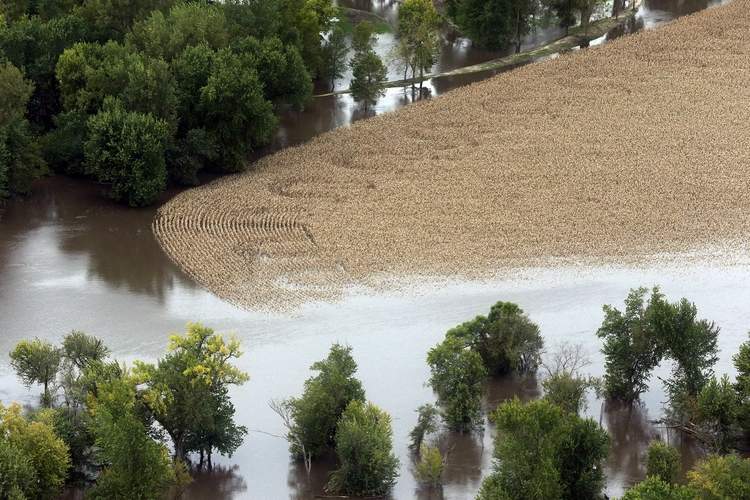
USA - Flooding threatens Iowa corn, soybean crops
27.09.2016 377 views
Recent heavy rains and flooding have damaged and destroyed crops and waterlogged the soil, threatening to delay and prolong the harvest.
“The longer it stays in the fields, the higher the risk of field loss” caused by moldy ears, dropped ears and fallen stalks, Iowa State University Extension corn specialist Mark Licht said.
Licht said the U.S. Department of Agriculture’s Aug. 12 projection of a record 197-bushels-per acre Iowa corn yield will fail to materialize.
“Field losses will go up, bringing those numbers down,” he said.
Iowa Agriculture Secretary Bill Northey said it’s too soon to tell how the recent inclement weather will affect yields.
But in recently inundated fields, moldy grain and weakened stalks will reduce both the quantity and quality of the harvest, Licht said.
“If the (corn) ears and (soybean) pods were under water, that would likely be considered adulterated grain, contaminated by bacteria or farm chemicals, which cannot be sold or fed to livestock,” he said.
Under federal crop insurance programs, adulterated grain would be considered a complete loss, for which farmers would be compensated by their insurance, he said.
In addition, soggy fields will delay the harvest and worsen mold and stalk problems, Northey said.
Both Licht and Northey said patience will be required to keep anxious farmers from entering their fields too soon.
Heavy equipment on saturated fields will compact the soil, reducing productivity for years to come, Licht said.
Referring to the likelihood that many heavy combines, tractors and grain carts will get stuck in the mud during harvest, Northey quipped that log chain salespeople could have a good quarter.
‘It’s really bad’
Rainfall has been above normal and at times excessive in northeast Iowa since June, according to State Climatologist Harry Hillaker. That trend worsened in September when downpours on saturated soil twice pushed area rivers beyond flood stage.
While the statewide average rainfall for September stood Monday at 6.29 inches — well above the 3.38-inch average for the entire month of September — the monthly rainfall averages for the northeast and north-central regions stood at 9.21 inches and 10.1 inches, respectively, Hillaker said.
Through Monday, Charles City’s September rainfall totaled 15.83 inches, Hillaker said.
More than a foot of rain fell last Wednesday and Thursday on parts of Butler and Floyd counties, causing both flash flooding and flooding on the Cedar, Wapsipinicon and other area rivers.
“On the lowland bottom ground, there is a lot of crop damage. It’s really bad,” said Jay Jung, a farmer and Farm Bureau Financial Services agent in Charles City, one of the northeast Iowa areas hardest hit by last week’s heavy rains.
On two fields north of Charles City, where 10 inches of rain fell last week, Jung said. “I’ve got kernels sprouting on the ears. It’s terrible.”
“By comparison, we are in good shape,” said Iowa Corn Growers Association Vice President Mark Recker, who farms near Arlington, Fayette County, where four to five inches of rain fell on his fields last week.
“We are not inundated. We should be back in the fields by late Wednesday,” Recker said.
Iowa Corn Growers Association Chairman Bob Hemesath, who farms near Decorah, said he has weathered “four different rain events of at least four inches this year.”
His biggest concern, he said, is corn root and stalk damage, and whether the crop will remain upright until it is harvested.
‘It’s still September’
Most farmers have never seen such flooding in the fall when their crops are ready to be harvested, said Dennis Lindsay, an Iowa Soybean Association District Advisory Council member.
The 6.5 inches that fell on his Masonville farm last week drove Prairie Creek from its banks, covering a soybean field and flattening more than 25 acres where the current was swiftest, Lindsay said.
Despite that loss, Lindsay said, “It’s still September. If the weather turns nice, we are going to be all right.”
Optimal harvesting of soybeans requires both dry fields and a moisture content in the 13 percent range — conditions that may be especially difficult to attain simultaneously this fall, according to Grant Kimberley, director of market development for the Iowa Soybean Association.
The longer mature soybeans remain unharvested, the greater the risk the pods will split, spilling beans on the ground, Kimberley said.
Source - http://www.thegazette.com/
EVENTS

ScaleAgData Stakeholder Engagement Event
22.10.2024The ScaleAgData project is pleased to invite you to our second stakeholder event. Building on the discussions and connections formed during our first webinar, this event will focus on fostering collaboration among stakeholders, providing updates on our project’s progress, and outlining future opportunities for engagement.
RISK EVENTS

Moldova - May frosts caused heavy damage to fruit orchards
10.05.2026The first frosty nights of May have significantly worsened estimates of damage to Moldova's fruit sector from spring frosts. According to initial assessments by fruit market operators, between a quarter and a third of the country's total orchard area was seriously affected.
04.06.2026

India - Delhi raises crop damage compensation after 10 years by over 50% to Rs 75,000 per hectare
In a major relief for farmers, the Delhi government has increased compensation for crop loss caused by rain and hailstorms from Rs 20,000 per acre to Rs 75,000 per hectare.
04.06.2026

Why Tech-Driven Agro-Insurance Has Stumbled in Ethiopia
For decades, Ethiopia’s agricultural sector has remained trapped in a dangerous paradox.
04.06.2026
UK - Rural crime cost Wales £2.2m last year despite fall in offences
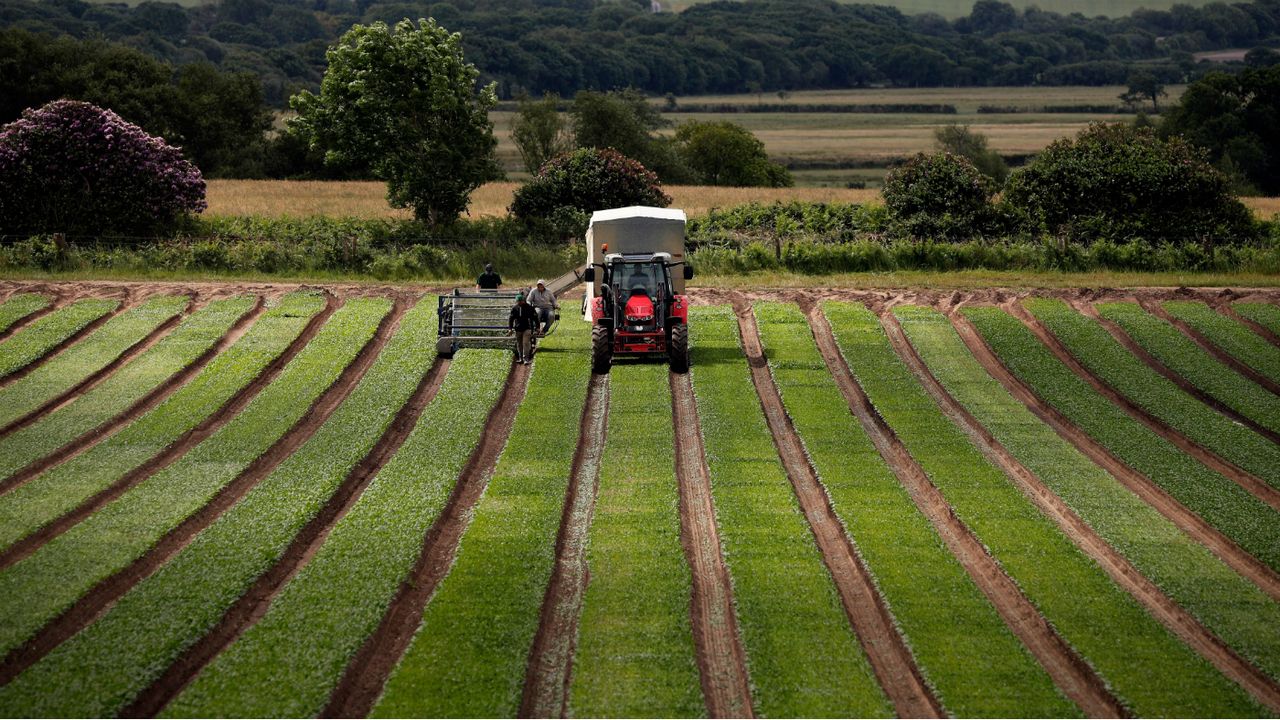
Rural crime cost Wales an estimated £2.2 million last year, with organised criminals continuing to target tractors, livestock and farming equipment despite an overall fall in offences, according to a new report.
04.06.2026

Kenyan Agro-Insurance Startup, Pula Raises US$ 20 Million in Series B Round
Pula, a Kenyan startup that offers insurance to small-scale farmers, aims to serve more than 100 million farmers in Africa after raising US$ 20 million in its Series B round.
04.06.2026
USA - USDA announces $52M to boost public access to private lands for hunting, fishing
The U.S. Department of Agriculture is announcing $52 million to help state and tribal governments encourage private landowners to allow public access to their land for hunting, fishing and other wildlife-dependent recreation through the Voluntary Public Access and Habitat Incentive Program (VPA-HIP).
04.06.2026

Hope Grows in Malawi’s Grain Stores as Farmers Battle Post-Harvest Losses
Some grain rots in poorly ventilated storage. Some is eaten by pests. Some is damaged during drying or transportation before it ever reaches the market.
03.06.2026
Canada - AFSC extends several northern Alberta seeding dates for 2026
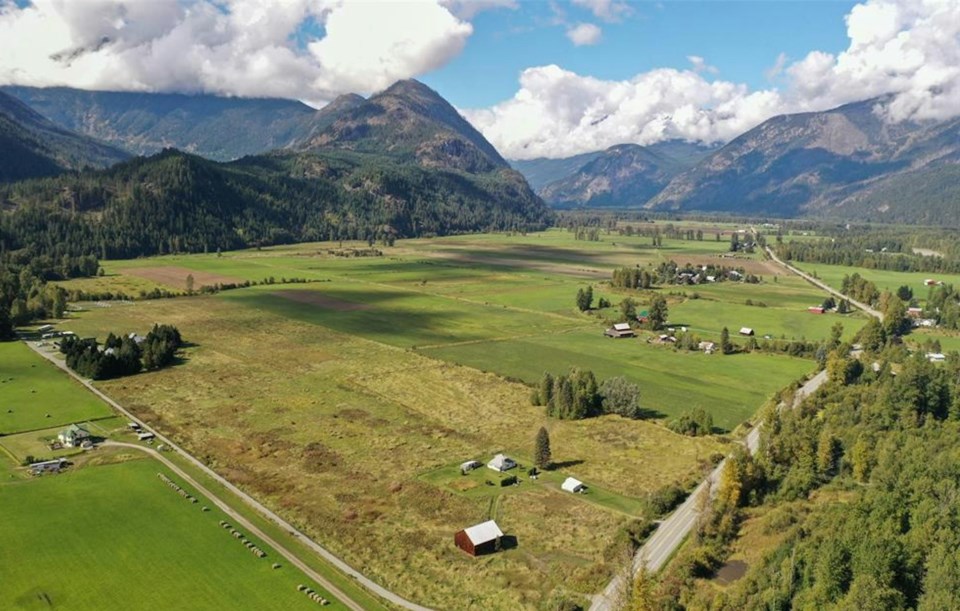
Alberta’s Agriculture Financial Services Corp. (AFSC) is extending the recommended seeding dates in the province’s northeast, northwest and Peace regions for several crops for the 2026 growing season only.
03.06.2026

India - Elephants run amok in Konaje agricultural farm, cause massive crop damage
A herd of elephants, including calves, wreaked havoc on an agricultural farm belonging to Yashodhara Gowda at Pallattadka in Konaje village of Kadaba taluk.
