

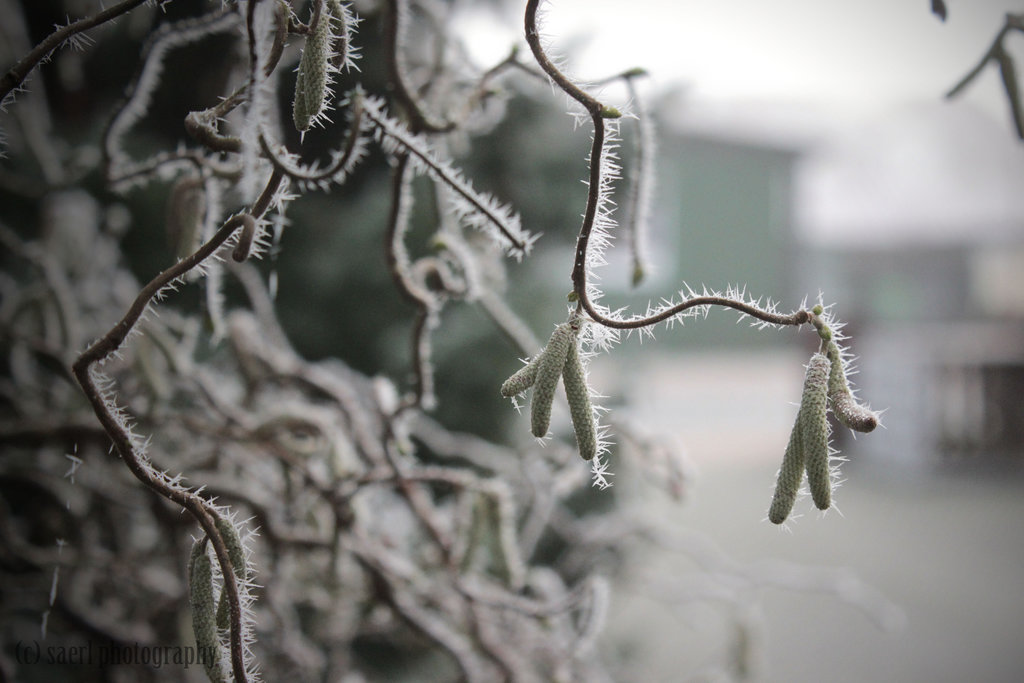
USA - Fruit growers trying to dodge frost damage
14.04.2016 488 views
While the cold temperatures had many Ohioans shivering this last weekend, it had tree fruit growers quaking in their boots.
The early warm-up in March followed by the plummeting temperatures in April generated plenty of concern about early blossoms being killed and jeopardizing a significant portion of the state’s apple and other fruit crops. Orchards further south had the most reason for concern from the recent cold snap as their trees were the furthest along in terms of blossom development.
The crew at Hirsch Fruit Farm in Ross County was nervously checking trees on Monday to see how bad the damage was from the frigid weekend temperatures.
“It is surprising that we have some live buds out there considering how cold it was and has been. That’s great,” said Steve Hirsch, of Hirsch Fruit Farm near Chillicothe. “The apples were all over the board. Some were in full bloom and some were not even pink yet. The ones that weren’t pink yet should hopefully be really good. The ones that were in bloom, I’m surprised how many of them are still alive which is great. There is some loss but if we had a full bloom we would have to thin them out anyway. We take 70% off of them anyhow and two out of five are alive. That is good considering how cold it was. We got down to 22 degrees. I don’t know how long it was at 22 degrees but it did get down that cold.”
There are a number of strategies that can be employed to help protect the blossoms when temperatures drop, including spraying crops with water through irrigation, fans to cycle the air, and even helicopters flown over orchards.
“When temperatures are that cold, though, it is tough to do anything to make a difference. We did not do anything. If it doesn’t get too cold we will spray water through irrigation sometimes, especially with the strawberries,” he said. “The orchard is on a hill and that elevation advantage helps too. I am just happy we have live blooms out there. We still have the potential for a full crop this year.”
Hirsch also thinks the colder weather leading into the coldest temperatures on April 9 helped the blooms survive.
“The fact that it got colder and we had several nights in the 30s may have helped to make the trees more cold hardy,” Hirsch said. “The temperature change was more gradual which helps.”
In terms of the other fruit produced on the farm, the peaches also look to have survived and black and red raspberry blooms come out more gradually so they are still fine.
“The raspberries usually bloom the second or third week of May. Several years ago we had a frost on May 22 and the king bloom was open and it killed them. We can do without that this year,” Hirsch said. “We are just pleasantly surprised that, as cold as it was, there are still some viable buds out there on the trees.”
Ohio’s grapes were also a concern in the cold temperatures. Imed Dami, Ohio State University Viticulture Extension Specialist, said that during deacclimation in the spring, grapevines become increasingly sensitive to temperatures below freezing. The lethal temperatures vary with the stage of bud development — buds become more sensitive as they grow in early spring. The following is an example of critical temperatures that cause 50% damage of grape buds and young shoots:
Budbreak —28 Degrees F; First unfolded leaf — 28 Degrees F; Second unfolded leaf — 29 degrees F; Fourth unfolded leaf —30 degrees F.
“At the OSU research vineyard in Wooster, bud development has not moved much since last week. The earliest varieties, Marquette and LaCrescent are in the wool (doeskin) stage. Canes were collected from Cabernet franc (end of bud swelling stage) on April 1 to determine cold hardiness of bud and vascular tissues,” Dami said. “We observed 17% injury in primary buds at 21 degrees F, and 27% in secondary and 7% in tertiary buds exposed to 18 degrees F. Phloem sustained injury at 7 degrees F, but no xylem injury down to -4 degrees F. Let’s hope we dodge another freezing event. It’s daunting to realize that we’re only in the first of week of April and we still have four to six weeks of chances (diminishing though) of spring frosts.”
Source - http://ocj.com
EVENTS

ScaleAgData Stakeholder Engagement Event
22.10.2024The ScaleAgData project is pleased to invite you to our second stakeholder event. Building on the discussions and connections formed during our first webinar, this event will focus on fostering collaboration among stakeholders, providing updates on our project’s progress, and outlining future opportunities for engagement.
RISK EVENTS

Moldova - May frosts caused heavy damage to fruit orchards
10.05.2026The first frosty nights of May have significantly worsened estimates of damage to Moldova's fruit sector from spring frosts. According to initial assessments by fruit market operators, between a quarter and a third of the country's total orchard area was seriously affected.
04.06.2026

India - Delhi raises crop damage compensation after 10 years by over 50% to Rs 75,000 per hectare
In a major relief for farmers, the Delhi government has increased compensation for crop loss caused by rain and hailstorms from Rs 20,000 per acre to Rs 75,000 per hectare.
04.06.2026

Why Tech-Driven Agro-Insurance Has Stumbled in Ethiopia
For decades, Ethiopia’s agricultural sector has remained trapped in a dangerous paradox.
04.06.2026
UK - Rural crime cost Wales £2.2m last year despite fall in offences
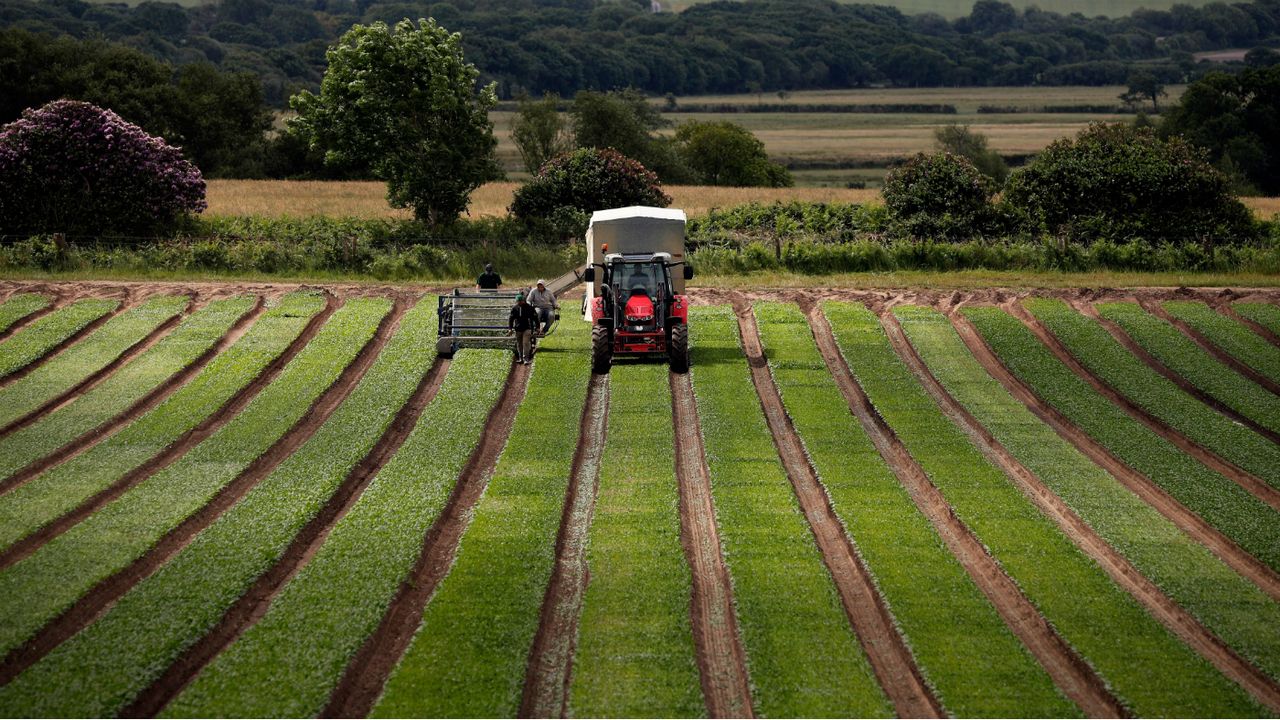
Rural crime cost Wales an estimated £2.2 million last year, with organised criminals continuing to target tractors, livestock and farming equipment despite an overall fall in offences, according to a new report.
04.06.2026

Kenyan Agro-Insurance Startup, Pula Raises US$ 20 Million in Series B Round
Pula, a Kenyan startup that offers insurance to small-scale farmers, aims to serve more than 100 million farmers in Africa after raising US$ 20 million in its Series B round.
04.06.2026
USA - USDA announces $52M to boost public access to private lands for hunting, fishing
The U.S. Department of Agriculture is announcing $52 million to help state and tribal governments encourage private landowners to allow public access to their land for hunting, fishing and other wildlife-dependent recreation through the Voluntary Public Access and Habitat Incentive Program (VPA-HIP).
04.06.2026

Hope Grows in Malawi’s Grain Stores as Farmers Battle Post-Harvest Losses
Some grain rots in poorly ventilated storage. Some is eaten by pests. Some is damaged during drying or transportation before it ever reaches the market.
03.06.2026
Canada - AFSC extends several northern Alberta seeding dates for 2026
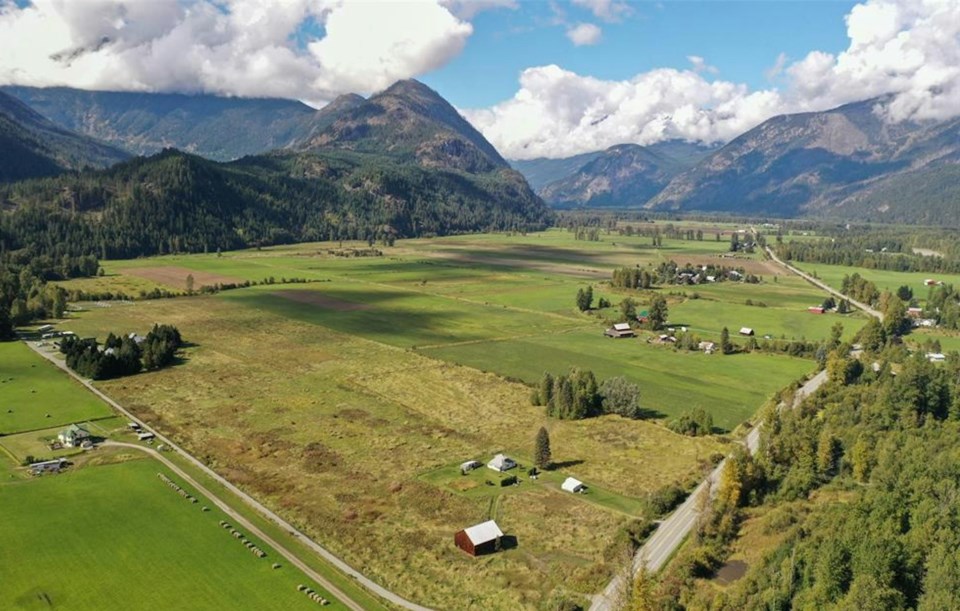
Alberta’s Agriculture Financial Services Corp. (AFSC) is extending the recommended seeding dates in the province’s northeast, northwest and Peace regions for several crops for the 2026 growing season only.
03.06.2026

India - Elephants run amok in Konaje agricultural farm, cause massive crop damage
A herd of elephants, including calves, wreaked havoc on an agricultural farm belonging to Yashodhara Gowda at Pallattadka in Konaje village of Kadaba taluk.
