


USA - Hail takes big toll on area crops
22.08.2018 681 views
Farmers in the Utica, Beaver Crossing and Waco areas are feeling the hard-hitting effects of a hail storm that rolled through Seward County.
A meeting was held Aug. 13 in Utica, where area farmers heard a damage presentation by Jenny Rees, the crops and water Extension educator for Seward and York counties.
Rees said Aug. 20 that farmers have a few options, but should know what questions to ask their insurance companies. Their options will depend on what crop insurance decisions they made for each individual farm.
“We recommend asking the insurance agent how he or she wishes to handle grain quality at harvest,” Rees said. “We’re seeing mold occurring on damaged ears right now, so crop insurance agents may have a specific way each one wishes to handle samples at harvest.”
She said farmers should ask if their insurance agent will accept the co-op sample report or if they wish to take their own samples. Also, they should find out if a farmer is allowed to put any grain in the bin before a sample is taken.
Rees suggested that farmers check their fields to determine which areas were most affected by stalk rot and kernal damage.
“Those areas should be harvested first if they’re being taken for grain, and we’re recommending to fill any contracts with grain from those areas first. Silage is an option if the farmer has a market for it,” she said.
Extension is working on a project related to analyzing silage from hail-damaged corn. Those interested in participating may contact Rees for details.
Rees said she did not have estimates on the extent of the damage relative to cost or a total number of acres affected.
Source - https://www.sewardindependent.com
EVENTS

ScaleAgData Stakeholder Engagement Event
22.10.2024The ScaleAgData project is pleased to invite you to our second stakeholder event. Building on the discussions and connections formed during our first webinar, this event will focus on fostering collaboration among stakeholders, providing updates on our project’s progress, and outlining future opportunities for engagement.
RISK EVENTS

Moldova - May frosts caused heavy damage to fruit orchards
10.05.2026The first frosty nights of May have significantly worsened estimates of damage to Moldova's fruit sector from spring frosts. According to initial assessments by fruit market operators, between a quarter and a third of the country's total orchard area was seriously affected.
25.06.2026
USA - USDA Highlights Growing Use of Supplemental Crop Insurance Coverage
USDA Conservation Secretary Richard Fordyce says enhanced risk management tools are helping farmers strengthen their safety net.
25.06.2026
India - Mysuru DC orders complete crop survey amid drought concerns
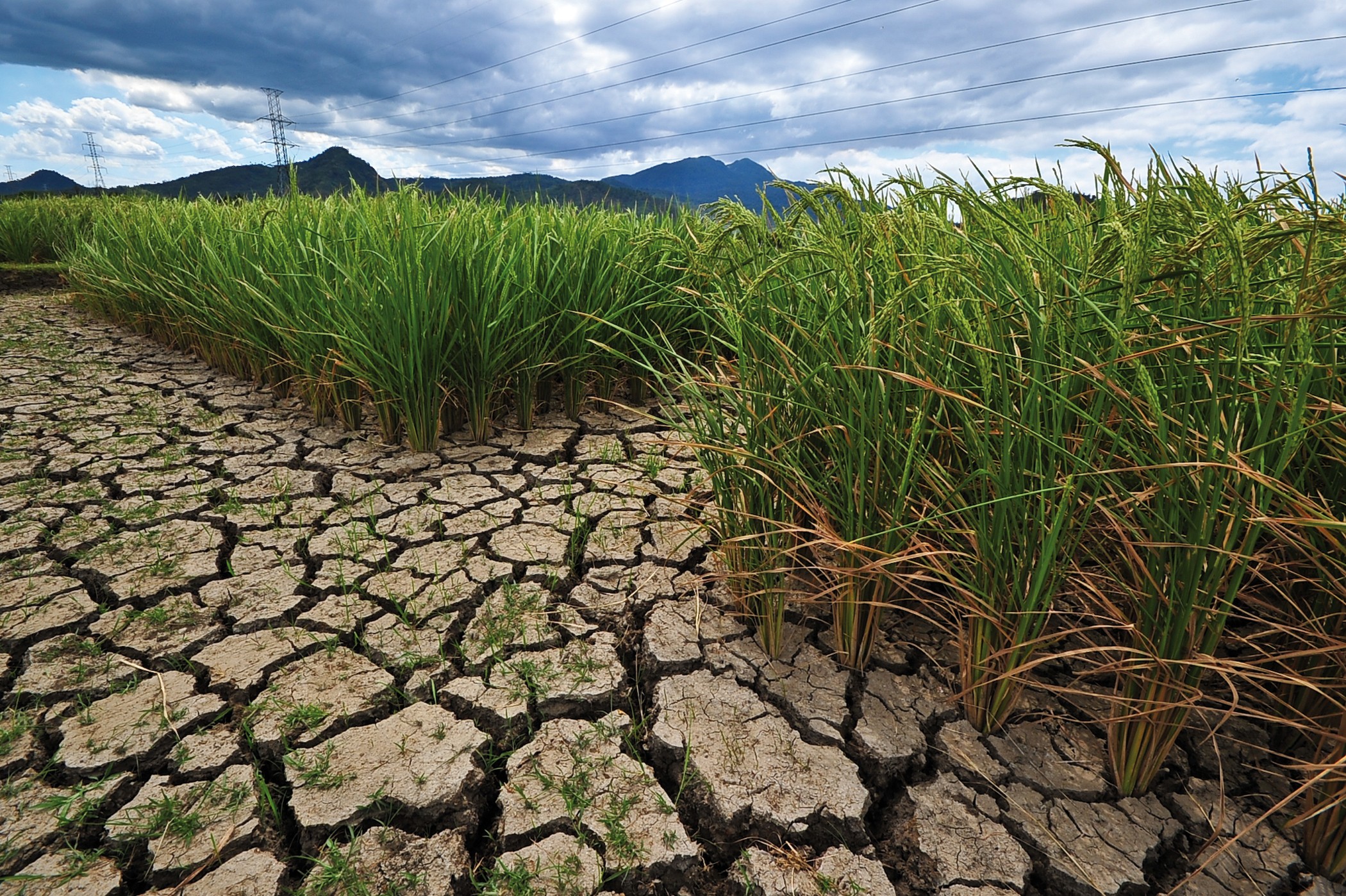
With concerns over a possible drought looming over the district, Deputy Commissioner G Lakshmikanth Reddy has directed officials to ensure 100 per cent coverage of the monsoon crop survey scheduled to begin on July 1, stressing that no farmer should be left out of relief and insurance benefits.
25.06.2026
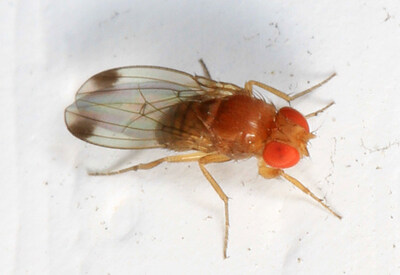
USA - Hood College Receives Research Grant Targeting Invasive Fly Species Responsible for Over $700M in Agricultural Damage
The Hood College Department of Biology has received a $19,998 grant from the U.S. Department of Agriculture to conduct research on natural predators of the invasive Spotted-Wing Drosophila fly.
25.06.2026

China - Public unwillingness to purchase flood insurance contributes to protection gap
In May 2026, southern and central China experienced exceptionally heavy rainfall, which triggered widespread flooding, and caused multiple fatalities and displacement of tens of thousands of people.
25.06.2026

India - Maha govt crackdown on Konkan forest fires, Jalgaon's fake crop insurance fraudsters
Maharashtra Forest Minister, Ganesh Naik, on Thursday addressed the rising concern of forest fires in the Konkan region, attributing them largely to a lack of public awareness and deep-rooted misconceptions among local farmers.
25.06.2026

Azerbaijan - Progress in agricultural insurance made
Coverage of agricultural insurance is expanding in Azerbaijan, and its minister noted that progress has been made.
24.06.2026

USA - White House Seeks $11 Billion More Aid for Farmers
The White House is asking Congress for more than $11 billion in additional farm assistance, including new economic support for 2026 row and specialty crop producers and disaster aid tied to losses from the Southeast freeze.
24.06.2026

Nigerian farmers urged to embrace agricultural insurance
The Managing Director of the Nigeria Agricultural Insurance Corporation (NAIC), Hon. Yazid Shehu Danfulani, has called on farmers, agribusiness owners, and stakeholders across the agricultural value chain to take advantage of agricultural insurance schemes designed to protect their investments and strengthen the nation’s agricultural sector.
