USA - Help available for some farmers feeling effects of last season’s wet weather

03.02.2020 437 views
Some farmers say last spring, summer, and fall were challenging -- and the federal government agrees.
Mike Kiechle is a dairy farmer in the town of Philadelphia.
He's still feeling the effects of a wetter crop season in 2019.
"I'm buying soybeans and more cornmeal to make the feed more palatable," he said, "as well as more protein and energy in it."
Kiechle says these are things he has to buy every year -- just not at this quantity.
"It's a couple of thousand dollars a month here," he said. "My purchase feed cost is higher."
And that's the way it's going to stay until at least May.
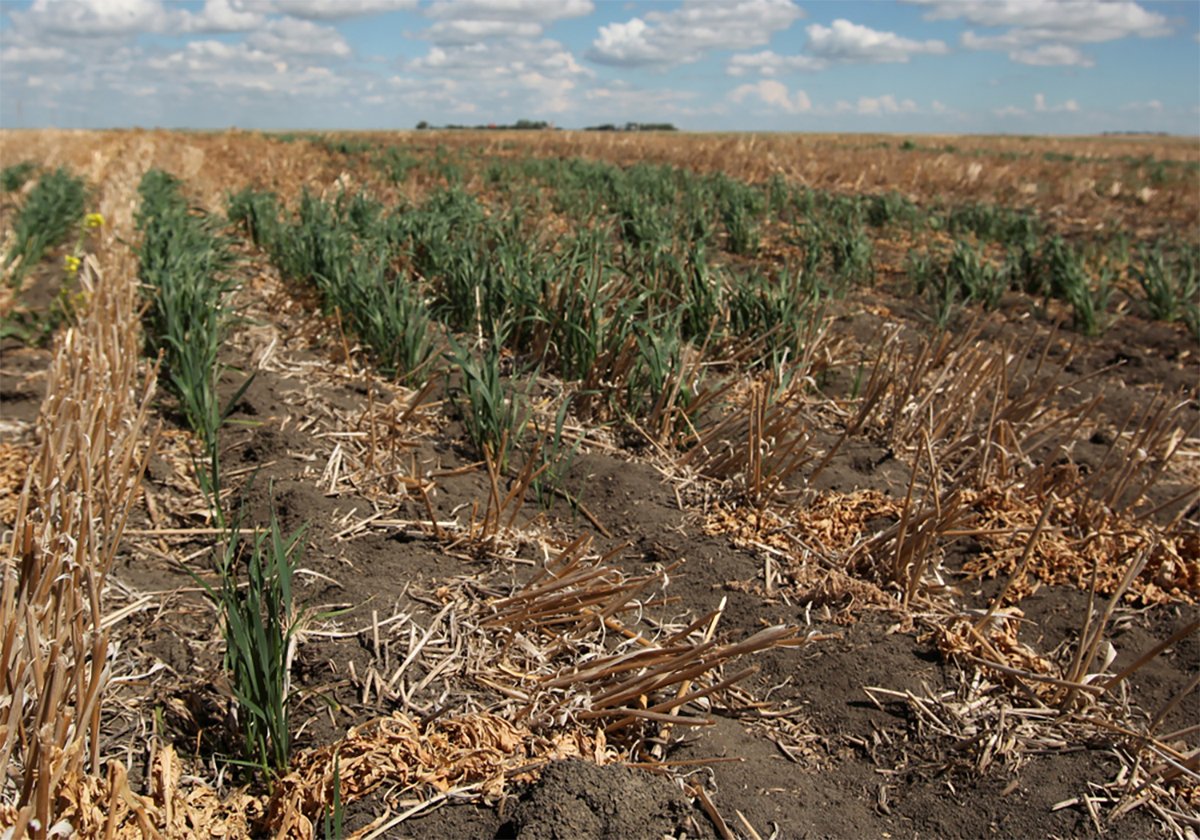
Last year's wet weather changed the way Kiechle's field corn grew. The feed for cows that came from it was lacking in protein.
"Crops need heat and sunshine, and the proper moisture to make energy and protein," Kiechle said. "Cool, wet weather makes fiber."
Kiechle isn't the only farmer feeling the effects.
On Thursday, Congresswoman Elise Stefanik announced a USDA Primary Agricultural Disaster designation for counties in her district, including Jefferson, Lewis, and St. Lawrence.
Jefferson County agricultural coordinator Jay Matteson says the declaration will help some farmers get assistance from the Farm Service Agency (FSA).
"It opens the door for financial programs, emergency loans in particular," Matteson said.
For farmers to be considered for an emergency loan from the FSA, there are conditions they have to meet.
"Farmers have to be able to prove a minimum of a 30 percent loss in their agricultural production for the crop year," said Ron Robbins, a former state director for FSA.
Kiechle says he won't qualify for the loan. He says it will help those who do.
"They can actually feed their cows properly to make the most milk," he said
Matteson says the next step for farmers is to contact their local USDA FSA for details on the emergency loans. Source - https://www.wwnytv.com

20.01.2026

Maltese hailstorm damages vegetable crops in Rabat and Dingli

Farmers in Rabat and Dingli reported widespread crop damage following a sudden hailstorm that hit the area overnight on Saturday. 

20.01.2026

New Zealand - Storms cause $10m in crop losses

Arable growers are reeling from up to $10 million in crop losses after a trio of widespread hail storms whipped through Canterbury farms.

20.01.2026

Romania - Agra Asigurari launches the 2025-2026 agricultural season with solutions for unpredictable climate

Agra Asigurari, the national leader in agricultural insurance, is launching the new sales season for the 2025-2026 farming year. The announcement comes at a challenging time for Romanian farmers, marked by the intensification of extreme weather events, which are affecting crops earlier and earlier, causing considerable losses for farmers.

20.01.2026

USA - Federal Crop Insurance Changes Good for Producers

Two major changes are coming to federal crop insurance. There are two major changes to federal crop insurance.

20.01.2026

Payments by Azerbaijan Agricultural Insurance Fund 43% up in 2025

Last year, the Agricultural Insurance Fund of Azerbaijan paid farmers 9.147 million manats ($5.38 million) in insurance compensations.

20.01.2026

Ukraine launches state support for farmers’ agricultural insurance

The state budget for 2026 allocates ₴60M ($1.43M) for agricultural insurance assistance, the first time that this support has been offered. 

19.01.2026

FAO issues new guidance on food safety risks linked to climate mitigation chemicals in agriculture

As governments and agribusinesses race to curb greenhouse gas emissions while feeding a growing global population, the UN’s Food and Agriculture Organization (FAO) has released new guidance to help policymakers and industry assess food safety risks linked to emerging climate-mitigation chemicals used in agriculture.

19.01.2026

Indonesia pushes agricultural downstreaming to boost farmers’ income

Agriculture Minister Andi Amran Sulaiman has called on regional governments to accelerate downstreaming of local agricultural commodities - particularly coconuts, cashew nuts, and cocoa - to increase added value and raise farmers’ incomes.