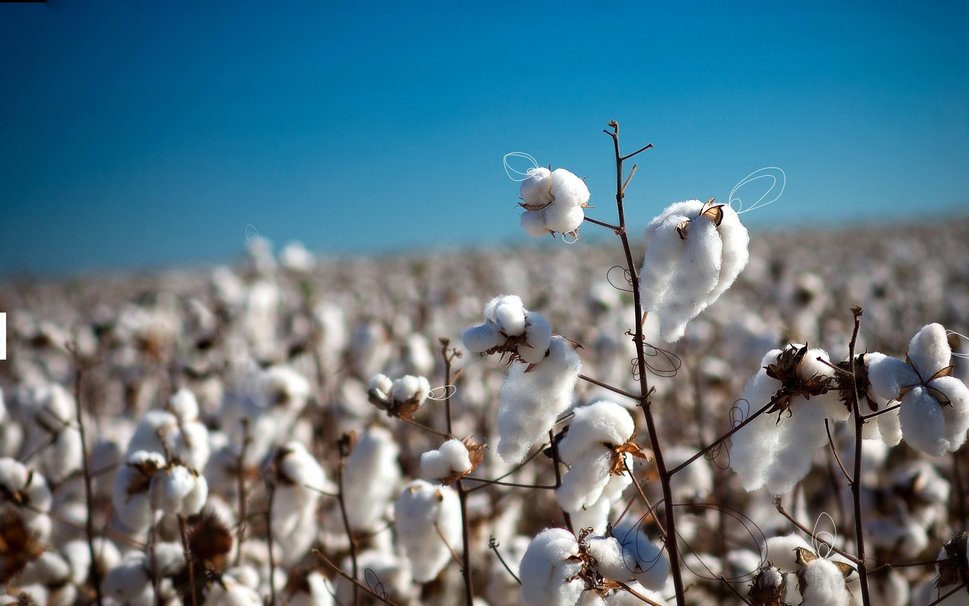
Cottonseed as an Oilseed. – Section 8702(10) of Title 7 of the U.S. Code states the Secretary of Agriculture may choose to define ‘‘any oilseed as designated by the Secretary.’’ The Committee notes that this law is explicit in its intent. The Secretary has publicly chosen not to exercise such authority regarding cottonseed, even given significant demand from Congress and its constituencies. The Committee recognizes the significant obstacles facing cotton producers who are in need of financial assistance and encourages the Secretary to use the authority he has in law, and has used recently, to provide such assistance.
Should the Obama Administration acquiesce to the House’s demands, the price tag for subsidizing cottonseed will be a whopping $10 billion over the next 10 years. Such a hefty price tag would likely trigger major cuts to conservation expenditures or other farm programs. According to EWG’s analysis, farm subsidy spending over the next three years is expected to dwarf previous expectations. In fact, this year farmers will likely receive the largest federal subsidy payout since 2006. The reason for this new subsidy? If you ask cotton growers, their reasons would be: low prices as a result of increased foreign competition, sluggish global markets and a strong U.S. dollar. But a closer look at cotton prices reveals that prices for upland cotton are actually just leveling off to historic averages. What’s more, cotton acreage is expected to increase by 11 percent this year and sales of cotton are expected to increase by over 6 percent from last year. [caption id="" align="alignnone" width="567"]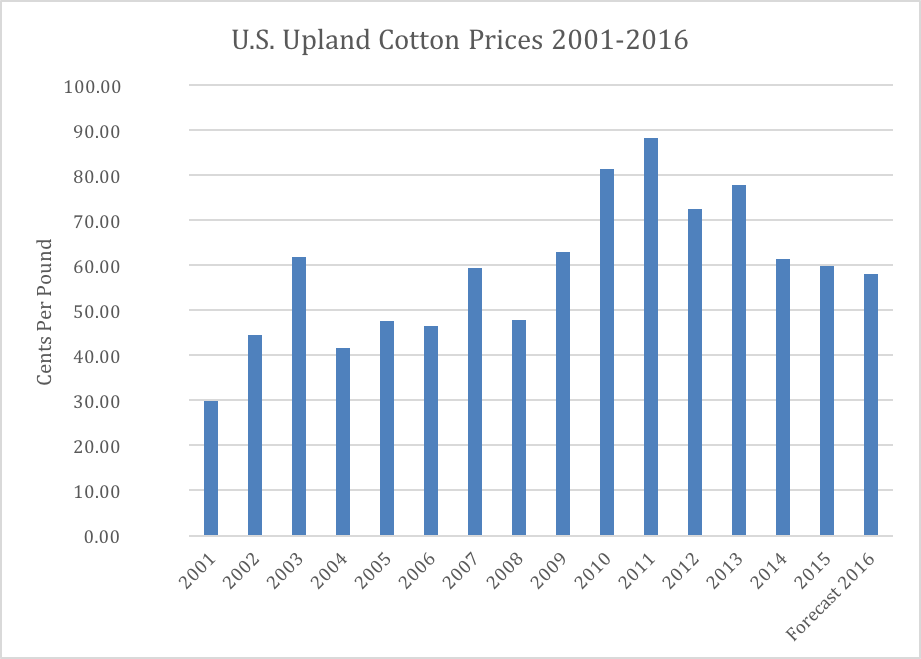 Source: USDA Cotton and Wood Yearbook; USDA Long-term Projections, February 2016.[/caption]
Thankfully, critics of expanding farm subsidies are not standing by idly. Last week Sens. Jeff Flake (R-Ariz.) and Jeanne Shaheen (D-N.H.) sent a letter to House Speaker Paul Ryan (R-Ohio) and Senate Majority Leader Mitch McConnell (R-Ky.) opposing the use of the appropriations process to create a new subsidy for cotton growers. They wrote:
Certainly, past being prologue, cotton subsidies are not without controversy. Their expansion deserves a full debate on topics of appropriateness, equity, trade compliance, implemented cost, and realistic offsets. It is unlikely that an appropriations strategy will yield the attention to this topic that taxpayers deserve.
Source - ewg.org
Source: USDA Cotton and Wood Yearbook; USDA Long-term Projections, February 2016.[/caption]
Thankfully, critics of expanding farm subsidies are not standing by idly. Last week Sens. Jeff Flake (R-Ariz.) and Jeanne Shaheen (D-N.H.) sent a letter to House Speaker Paul Ryan (R-Ohio) and Senate Majority Leader Mitch McConnell (R-Ky.) opposing the use of the appropriations process to create a new subsidy for cotton growers. They wrote:
Certainly, past being prologue, cotton subsidies are not without controversy. Their expansion deserves a full debate on topics of appropriateness, equity, trade compliance, implemented cost, and realistic offsets. It is unlikely that an appropriations strategy will yield the attention to this topic that taxpayers deserve.
Source - ewg.org