

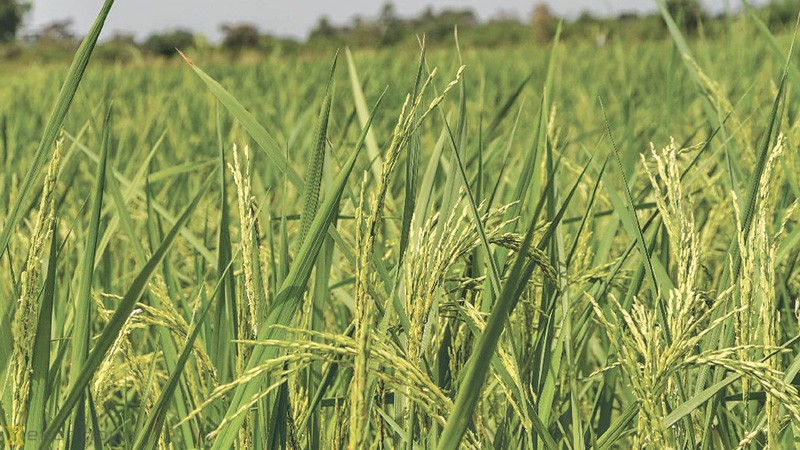
USA - Keep crop insurance working
15.02.2017 400 views
With farm income at the lowest levels in nearly a decade and more severe weather likely on the horizon, crop insurance must remain affordable to producers of all sizes across the country, said Mike Day, chairman of the National Crop Insurance Services.
Day, who heads Rural Community Insurance Services for Zurich North America, explained that keeping crop insurance affordable means fighting efforts to eliminate the wide variety of tailored policies farmers buy today. It also means stopping efforts to reduce the number of people included in the risk pool.
Day’s outlook on the new administration and Congress was optimistic, noting it “represents the ushering in of a new pro-business environment in D.C.” This should be positive for crop insurance, which is known for cost-sharing and efficient private-sector delivery, Day noted.
But, he said, farm policy critics will be working overtime in their efforts to misinform new policy makers. Day expects crop insurance opponents to single out the past couple of years in their critiques—when insurance indemnities were lower—without acknowledging crop insurance industry’s performance during the flooding, droughts and price declines that marked 2011, 2012, 2013 and 2014.
“It will be up to us to remind Congress that the good years help balance the bad,” he said. “Overhauling a program to make it less economically viable ultimately hurts farmers, who need risk management tools to produce food and fiber for a growing world population.”
Day’s speech kicked off the 2017 National Crop Insurance Services convention in Florida. It’s a great state for the convention, he said, because it shows how crop insurance has become the centerpiece of risk management on American farms.
In Florida, acres enrolled in crop insurance have more than doubled in the last decade, protecting $3 billion in liability today.
The rest of the nation has seen even greater improvements in protection, Day said, which should be a point of pride for the industry and the lawmakers who made crop insurance the centerpiece of America’s farm policy.
Just 26 million acres had insurance coverage in 1980. Today, 290 million acres are protected, representing about 90 percent of U.S. farmland. And farmers have skin in the game and actively help fund their own farm policy, paying a collective $3.4 billion out of their own pockets for coverage in 2016.
Day credited the success of the program, in part, to the expanded crops covered by insurance. The program was available to just 29 eligible crops in the early days, compared to 120 today.
He also credited the efficient public-private partnership that makes crop insurance such a good value to farmers and taxpayers.
“Successes like these didn’t happen by chance,” he said. “It took an industry willing to put customers first and make investments in streamlining efficiency. It took a dedication and desire to constantly improve and modernize the system. And it took investment and hard work by both components of the public-private partnership.”
Crop insurance, he said, has replaced unbudgeted ad hoc disaster bills that cost taxpayers $70 billion from 1989 to 2012.
Day specifically pointed to seven essential strengths that have made crop insurance successful:
Policies are tailored to each farmer, rather than a one-size-fits-all approach.
Farmers use crop insurance as collateral helping them obtain capital to meet rising costs.
Payments under the public-private partnership are made in days instead of waiting years for Congress to act.
Farmers actively fund their own safety net through deductibles and premiums.
Payments aren’t wasteful and only cover verifiable losses documented by adjusters.
Farmers benefit from the efficiency of private-sector delivery.
Crop insurance is flexible and can be adjusted to fit real-time needs.
Day said a survey of 1,000 registered voters, which was conducted last spring, confirmed a strong favorable view of farmers, including the important role farming plays in national security. It also showed overall strong support for providing farmers with appropriate federal assistance.
“Crop insurance is a sound investment,” he concluded. “Support from many directions makes it possible. Without it, farms from coast to coast would face financial ruin instead of the chance to rebuild after disaster. And that would be a disaster for every American because every American eats.”
Source - http://www.hpj.com
EVENTS

ScaleAgData Stakeholder Engagement Event
22.10.2024The ScaleAgData project is pleased to invite you to our second stakeholder event. Building on the discussions and connections formed during our first webinar, this event will focus on fostering collaboration among stakeholders, providing updates on our project’s progress, and outlining future opportunities for engagement.
RISK EVENTS

Moldova - May frosts caused heavy damage to fruit orchards
10.05.2026The first frosty nights of May have significantly worsened estimates of damage to Moldova's fruit sector from spring frosts. According to initial assessments by fruit market operators, between a quarter and a third of the country's total orchard area was seriously affected.
16.06.2026
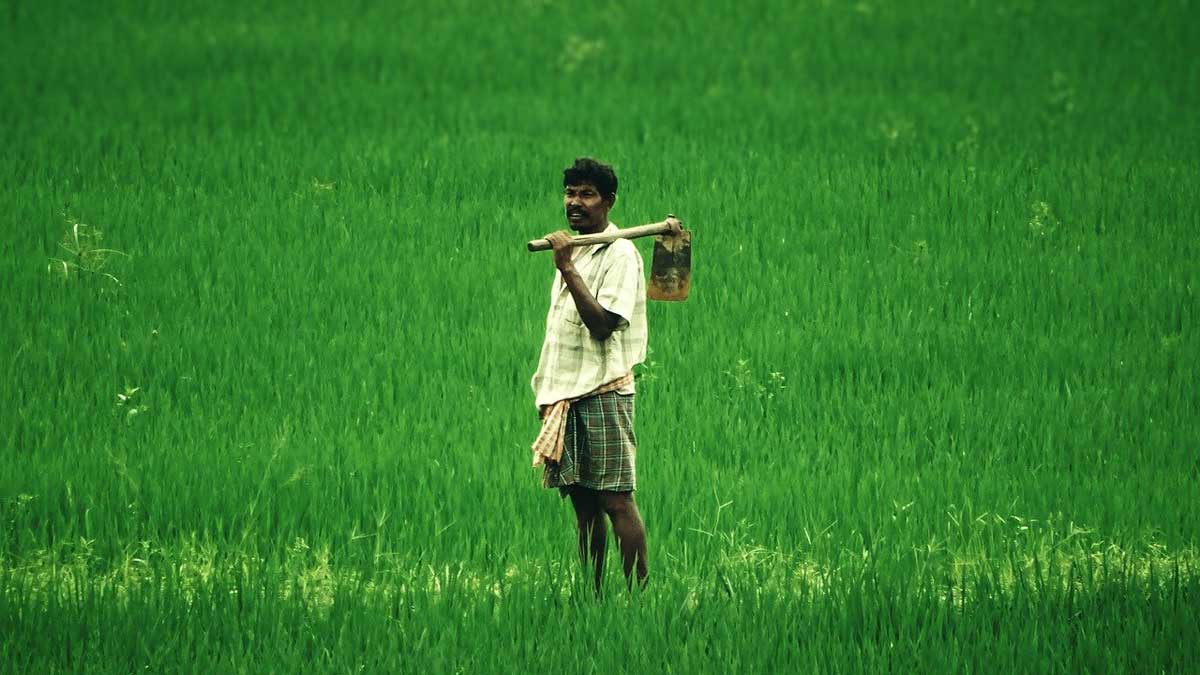
India - Harish Rao accuses Congress govt of plotting to scrap crop bonus
BRS deputy floor leader T Harish Rao accused the Congress government of conspiring to phase out the crop bonus scheme by limiting it to just seven paddy varieties, despite promising Rs 500 bonus for all varieties in its manifesto.
16.06.2026

CBE and EIC Forge Historic Partnership to Advance Ethiopia’s Financial Sector
The Commercial Bank of Ethiopia (CBE) and the Ethiopian Insurance Corporation (EIC) have signed a historic partnership agreement to elevate their long-standing cooperation.
16.06.2026

Spain - The Government releases 510.7 million from the Contingency Fund for agricultural insurance and social purposes
The Council of Ministers has given the green light to the use of the Contingency Fund to support several credit modifications for a total amount of 510,706,252.23 euros, with the aim of meeting commitments in agricultural insurance and financing activities of general interest qualified as of social interest.
16.06.2026
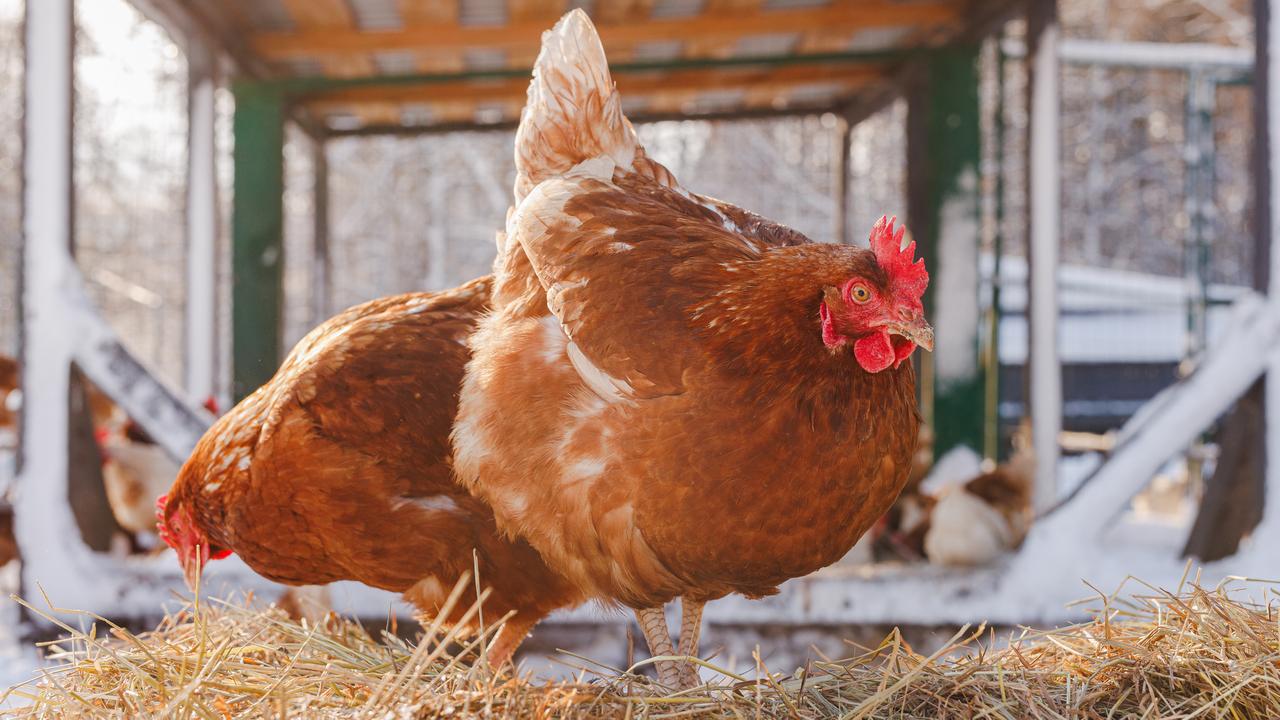
Nepal - Poultry sector losses Rs. 500M due to bird flu
Farmers have suffered direct financial losses of more than Rs. 500 million in the past month due to a bird flu outbreak that has spread to three districts of Koshi Province—Jhapa, Morang, and Sunsari.
16.06.2026

USA - USDA declares emergency Disaster Declaration for Maryland farmers impacted by crop freeze
The United States Department of Agriculture is stepping in to assist Maryland farmers severely impacted by unexpected frosting in April.
16.06.2026
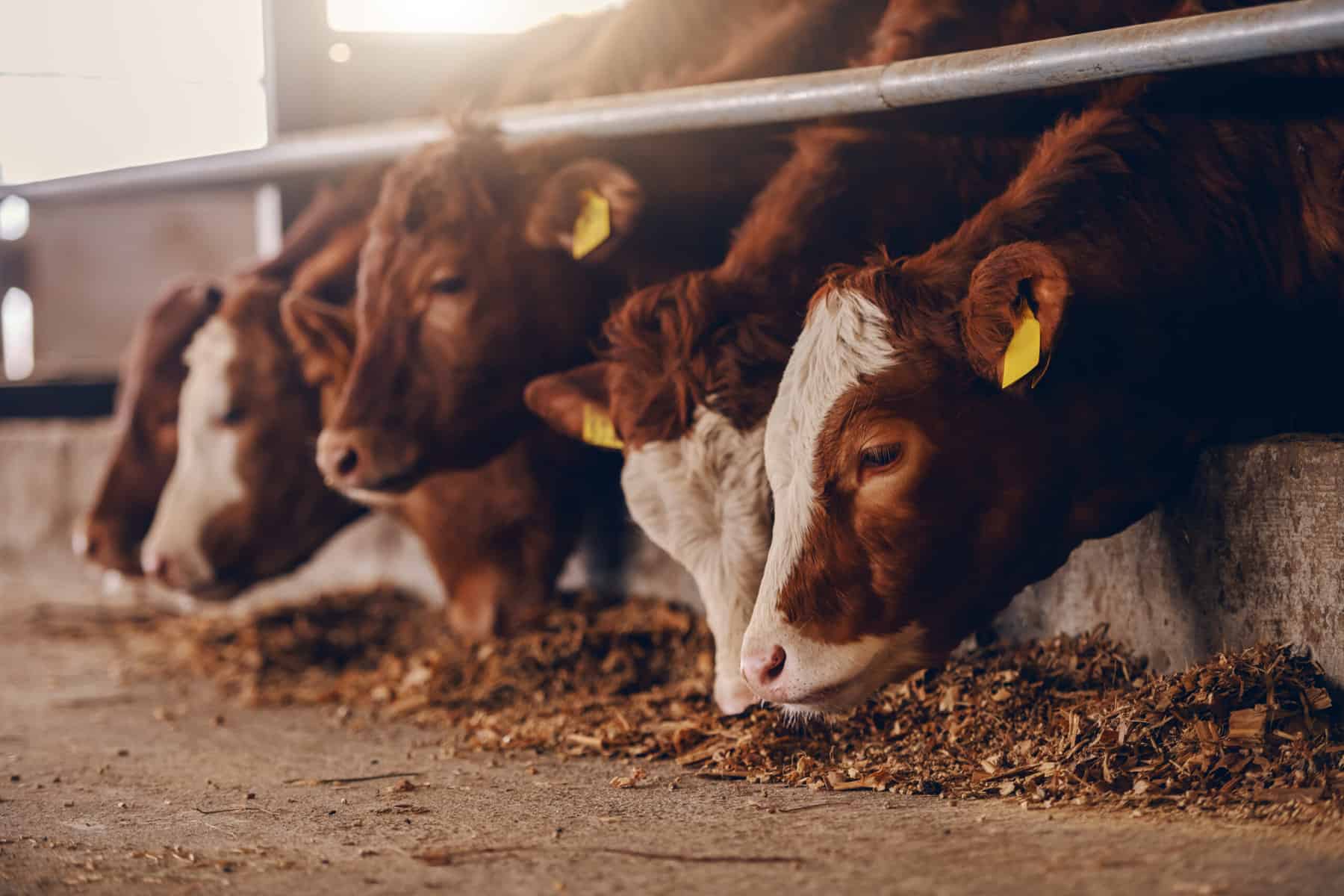
Cyprus - Foot-and-mouth disease cases rise to 121 livestock units after new Mammari detection
A total of 121 livestock units have been affected by foot-and-mouth disease following the confirmation of a new case announced on Wednesday.
15.06.2026

India - Satellite Surveys to Bridge Gap Between Farmers’ Losses & Crop Insurance Compensation: Shivraj Singh Chouhan
Union Minister of Agriculture and Farmers Welfare Shivraj Singh Chouhan has stated that in order to bridge the gap between the losses faced by farmers and the compensation they receive through crop insurance, these losses will now be surveyed using satellites.
15.06.2026
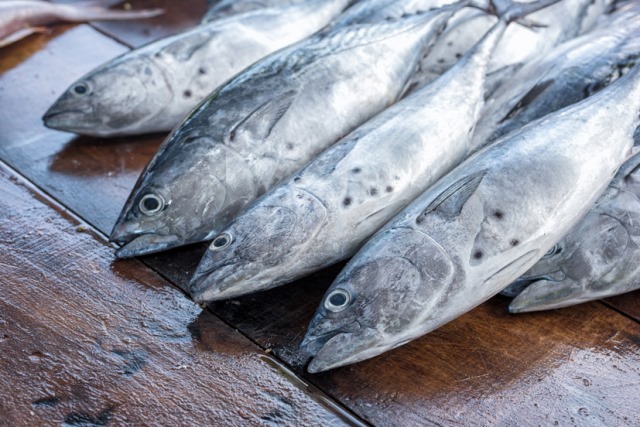
Philippines - DA eyes regional fisheries hub in Northern Samar
The Department of Agriculture (DA) plans to establish a regional fisheries hub in Mapanas, Northern Samar, positioning the area as a potential growth center for Eastern Visayas’ tuna industry.
