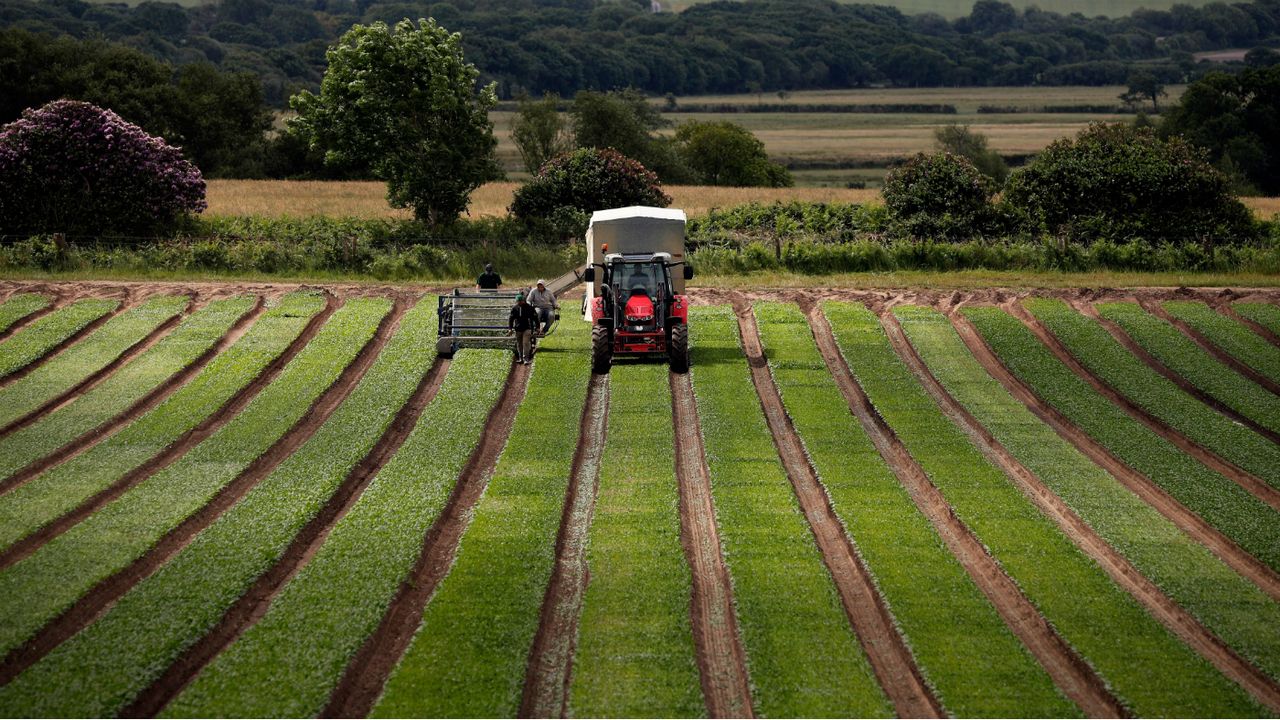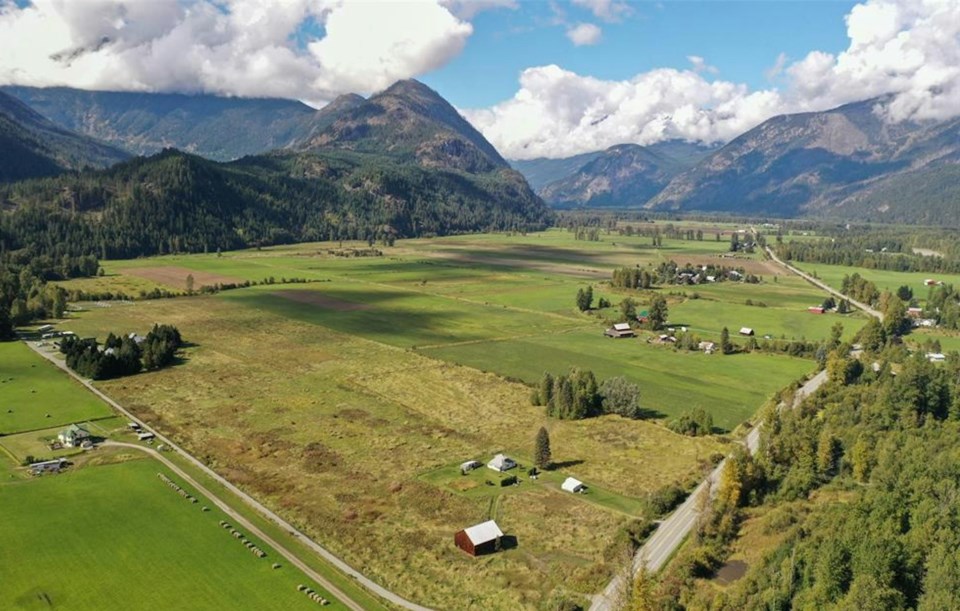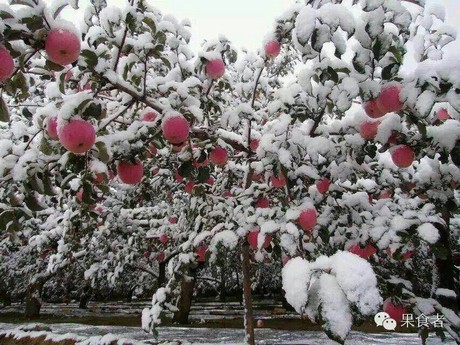
An unexpected winter storm is causing concern among local apple growers.
A winter of warmth led flowers to bud early at local farms, but the sudden snow fall on Monday, April 4, has the potential to spoil an entire season of crops. Farmers say it is still too early to say whether the weather significantly damaged crops. Apple and blueberry crops are most at risk of damage, as those crops had just begun to bloom, and were thus most susceptible to the sudden temperature change.
As many farms, including Indian Ladder Farm in Altamont, continue to recover from a severely cold spring in 2012, a second bad season of crops would be devastating for business.
Its crops survival will largely depend on whether or not seasonal temperatures are maintained hereafter, and if the crops lost will fall within a normal range for the season. Farmers already routinely shear a large percentage of newly flowered buds to make room for higher quality crops to grow to full Grade A size, so potential crop losses could be a non-issue.
Peter Ten Eyck, owner of Indian Ladder Farm, said his crops were in the “green tissue” stage, just before bloom, when the snow fell. “The issue is not the snow. Snow is our friend. The issue is the temperature. Various varieties of apples blossom at slightly different times. Some are far advanced and some haven’t even started yet,” said Ten Eyck. “The thing is trees are used to losing buds because of spring frosts. They can lose buds and still have enough to survive and have apples. If we’re in window of losing 70 to 80 percent [of buds], we can still work it out.”
The plants are most susceptible to damage just as they move out of dormancy and into the budding stage. At 18 degree temperatures, about 10 percent of buds will die; At 10 degrees, about 90 percent of buds die. Temperatures reached 10 degrees that snowy night. Temperatures haven’t been that cold in April since 1956.
Most recently, in 2012, a late April frost left Indian Ladder Farm with only 9 percent of its apple crops – the worst crop in the history of the farm. Even though the remaining crops that year were in perfect quality and the farm received crop insurance, the losses still set the farm back financially for a few years.
“This is our 1000th year of apple farming at Indian ladder. That wasn’t so long ago,” said Ten Eyck, “so psychologically we’re very distressed.” Ten Eyck said it took the farm a full four years to recover from losing that season of profits.
Since the farm has over 40 varieties of apples, it is still hard to determine whether any of them were disparaged by the cold weather. While varieties like Golden Delicious bloom very late, and were not very far along in the budding process, varieties like Empire are more worrisome. Those buds were just starting to sprout. Any remaining crops will still be of extremely high quality, so Ten Eyck hoped that locals will continue to support local farms like Indian Ladder.
The closer buds get to bloom, the more susceptible they are to being spoiled by the warm weather. For example, temperatures in the mid-20s would be just as devastating for crops if they occurred closer to Mother’s Day, when buds are expected to be in full bloom.
“Because March was really unusually warm, it accelerated the rate that plants like tree and berries were growing at,” said Laura McDermott, a horticulture expert at the Cornell Cooperative Exchange in Voorheesville. “Temperatures in the last couple days have not been horribly low, so if were looking at same the development last year, it would not have been a problem, but because of the warm weather, a lot of farmers are worried.” Some of the farmers she works with had temperatures in the single digits for several hours, which is a long time for plants, said McDermott. Farms in lower New York state, particularly in the Hudson Valley will have more damage, as their crops were further along, and McDermott was not yet sure what effect the weather would have in Western New York. “It really just points out how susceptible farmers are to changing climate, which just makes a complicated profession even more complicated.”
Essentially, there is nothing farmers can do to keep there crops warm.
Most of the farm’s other plants, such as its blueberries and raspberries, had not been planted yet. And the farm does not grow peaches or cherries, which would have been similarly effected by the weather. The farm’s hops crops, meanwhile, were just beginning to open, and could have been effected by the cold weather just as the apple crops may have been. Ten Eyck said so far, a few of their hops varieties, particularly the hardy East Coast ones, have been resilient. Yet, as those crops have seen a number of bad winters within the past four years, delaying the start of the farm’s new beer-making business venture, Ten Eyck is only cautiously optimistic.
“There are a lot of variables. Even though it looks very bad, I’m rooting for the trees. They’ve been around for 100 years and they’re going to come up with something,” said Ten Eyck.
McDermott works with many orchardists, including Ten Eyck, through her work with Cornell Cooperative Exchange, and said she has had reports from many concerned farmers. “We just don’t know. I’m trying to be optimistic and trying to keep them optimistic,” she said, adding that the weather may simply mean that farmers do less pruning this season, and that the fruit could be fine.
“The real point that I would like to make is that we don’t know for sure and we won’t know for several weeks if there’s damage, and if so, how wide spread the damage is. It is not a good situation, but we don’t know for a fact.”
Source - spotlightnews.com