

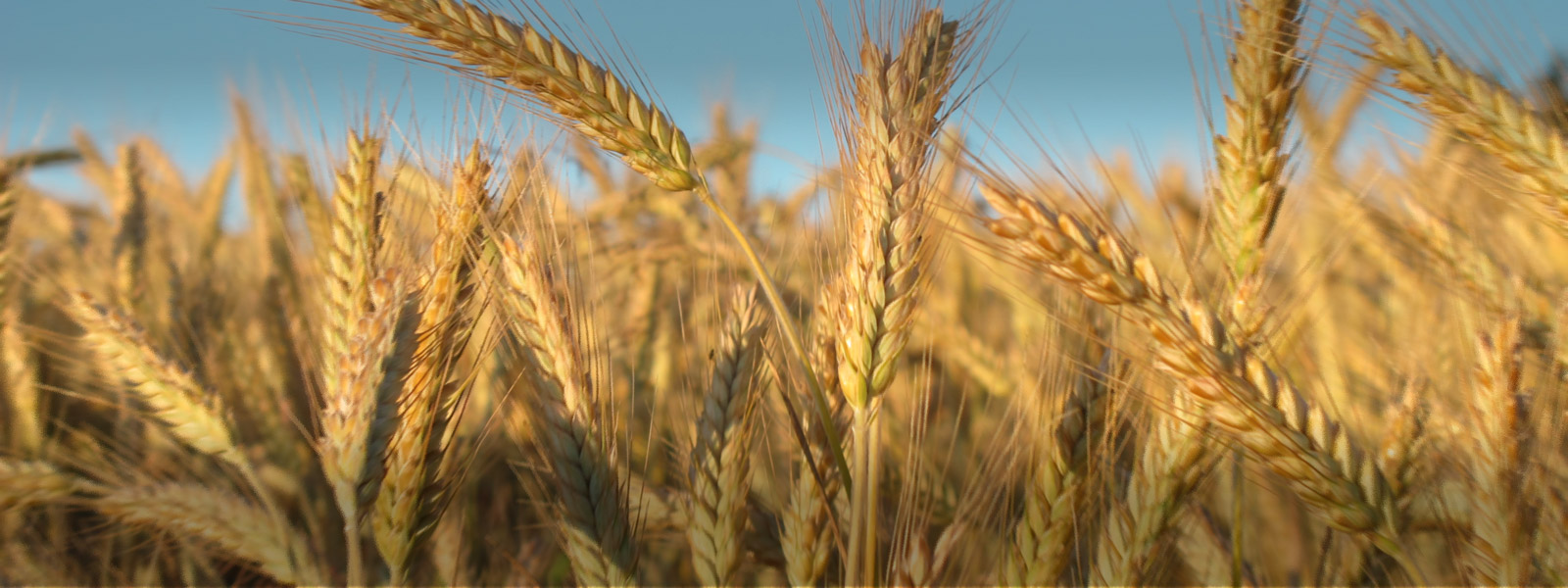
USA - Making crop insurance conservation-friendly
29.03.2016 375 views
The ag community is awakening to the positive impact soil health can have on the environment, crop yields and farm economics. The time is now to align crop insurance policies that support conservation innovation, rather than creating a safety net for larger farmers to farm poorly.
There’s plenty of evidence that conservation methods such as no-till, cover crops, bumper strips and waterways can reduce yield variability and may even increase crop yields. The real issue is establishing an actuarially sound argument for rewarding those practices within the crop insurance system.
Several years ago when Monsanto showed that its specific triple-stack traits cut yield risk as compared to non-traited hybrids, the Federal Crop Insurance Corp. approved the Biotechnology Yield Endorsement program, which rewarded producers who used the triple stack with a premium rate reduction.
The new challenge is to craft a similar advantage for those pushing the envelope on certain conservation practices that protect the land.
Jim Moseley, co-chairman of AGree and former USDA undersecretary, has been working for years with the Risk Management Agency and the Natural Resources Conservation Service to assess the impact on long-term yield viability of different conservation technologies.
AGree’s Conservation and Crop Insurance Task Force is spearheading efforts that support the integration and analysis of USDA data to understand the interaction between yield risk and soil types, and conservation practices’ effects on yield risk.
The biggest challenge in validating that crop insurance should be priced differently for those implementing certain conservation techniques, Moseley says, is getting enough data from the farmers adopting conservation methods and the science proving its benefits. This will require more farmers partnering with organizations and public-private partnerships to collect the data. And it means producers deciding to implement conservation practices.
Challenges
Those producers who do incorporate conservation practices successfully see some boost in crop insurance assistance with higher actual production history yields, and don’t see the reduced yields as others do in drought or wet years. But is that really serving as a motivation? Maybe crop insurance policies should change to penalize those who don’t do any conservation practices.
Cover crops are also beginning to see increased adoption, predominantly with some cost-share assistance or other money to encourage planting. However, conservationist and Illinois farmer Michael Plumer points out, there are no ongoing incentives to keep farmers to continue on with the practices. Too often NRCS or other entities throw money out there and farmers spend it. But when they don’t see a bang for their buck, there’s no education component to supplement the trials.
Plumer says awareness about practices such as cover crops is growing, but many aging operators are set in their ways. It is the young farmers who are more likely to adopt and will need to champion these new views on maintaining and improving soil to ensure they’ve got a future soil base.
Current crop economics also hinder adoption of conservation practices. If a farmer is only going to make $10 to $15 an acre, it becomes hard to justify spending $25 to $30 on a cover crop. But if RMA gave a discount on crop insurance that could save $5 an acre, it makes it a bit easier to swallow.
Taxpayer benefit
Linking conservation compliance to crop insurance already proved to be controversial during the last farm bill debate. Maybe it’s time for commodity groups to find ways that conservation and crop insurance can bring out the best in each other.
As Moseley rightly notes, it’s much easier for ag negotiators at the end of a long battle to say not only is agriculture getting support, but also the environment and everyday taxpayers are getting something on the other side of the ledger.
Source - farmfutures.com
EVENTS

ScaleAgData Stakeholder Engagement Event
22.10.2024The ScaleAgData project is pleased to invite you to our second stakeholder event. Building on the discussions and connections formed during our first webinar, this event will focus on fostering collaboration among stakeholders, providing updates on our project’s progress, and outlining future opportunities for engagement.
RISK EVENTS

Moldova - May frosts caused heavy damage to fruit orchards
10.05.2026The first frosty nights of May have significantly worsened estimates of damage to Moldova's fruit sector from spring frosts. According to initial assessments by fruit market operators, between a quarter and a third of the country's total orchard area was seriously affected.
04.06.2026

India - Delhi raises crop damage compensation after 10 years by over 50% to Rs 75,000 per hectare
In a major relief for farmers, the Delhi government has increased compensation for crop loss caused by rain and hailstorms from Rs 20,000 per acre to Rs 75,000 per hectare.
04.06.2026

Why Tech-Driven Agro-Insurance Has Stumbled in Ethiopia
For decades, Ethiopia’s agricultural sector has remained trapped in a dangerous paradox.
04.06.2026
UK - Rural crime cost Wales £2.2m last year despite fall in offences
Rural crime cost Wales an estimated £2.2 million last year, with organised criminals continuing to target tractors, livestock and farming equipment despite an overall fall in offences, according to a new report.
04.06.2026

Kenyan Agro-Insurance Startup, Pula Raises US$ 20 Million in Series B Round
Pula, a Kenyan startup that offers insurance to small-scale farmers, aims to serve more than 100 million farmers in Africa after raising US$ 20 million in its Series B round.
04.06.2026
USA - USDA announces $52M to boost public access to private lands for hunting, fishing
The U.S. Department of Agriculture is announcing $52 million to help state and tribal governments encourage private landowners to allow public access to their land for hunting, fishing and other wildlife-dependent recreation through the Voluntary Public Access and Habitat Incentive Program (VPA-HIP).
04.06.2026

Hope Grows in Malawi’s Grain Stores as Farmers Battle Post-Harvest Losses
Some grain rots in poorly ventilated storage. Some is eaten by pests. Some is damaged during drying or transportation before it ever reaches the market.
03.06.2026
Canada - AFSC extends several northern Alberta seeding dates for 2026
Alberta’s Agriculture Financial Services Corp. (AFSC) is extending the recommended seeding dates in the province’s northeast, northwest and Peace regions for several crops for the 2026 growing season only.
03.06.2026

India - Elephants run amok in Konaje agricultural farm, cause massive crop damage
A herd of elephants, including calves, wreaked havoc on an agricultural farm belonging to Yashodhara Gowda at Pallattadka in Konaje village of Kadaba taluk.
