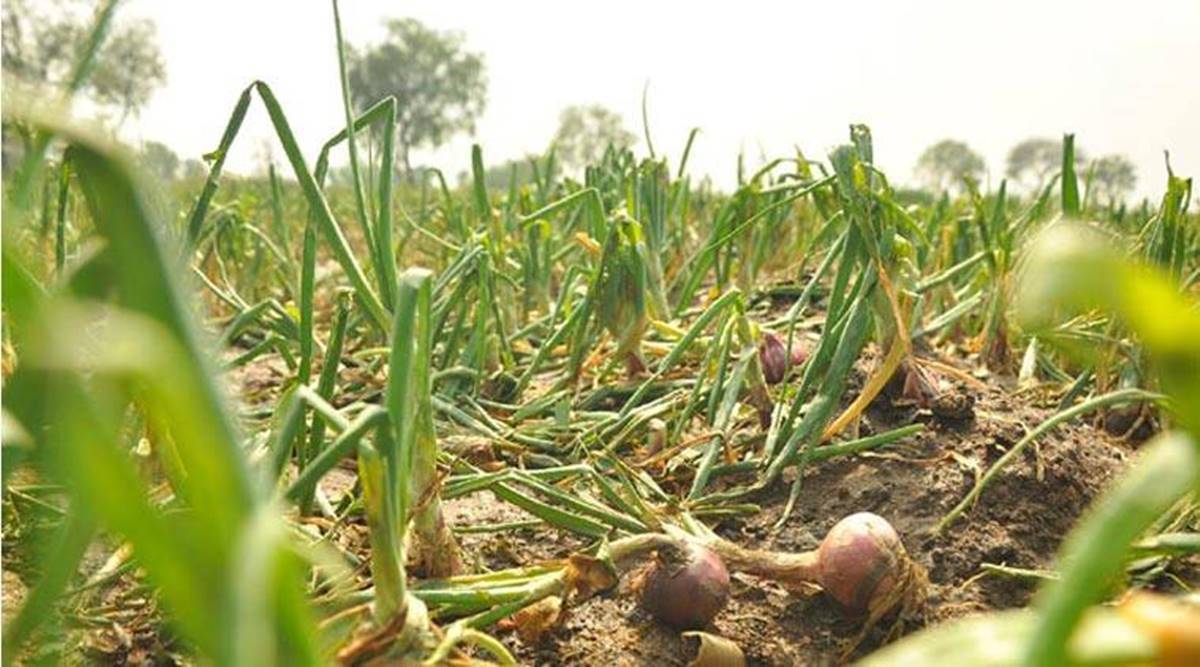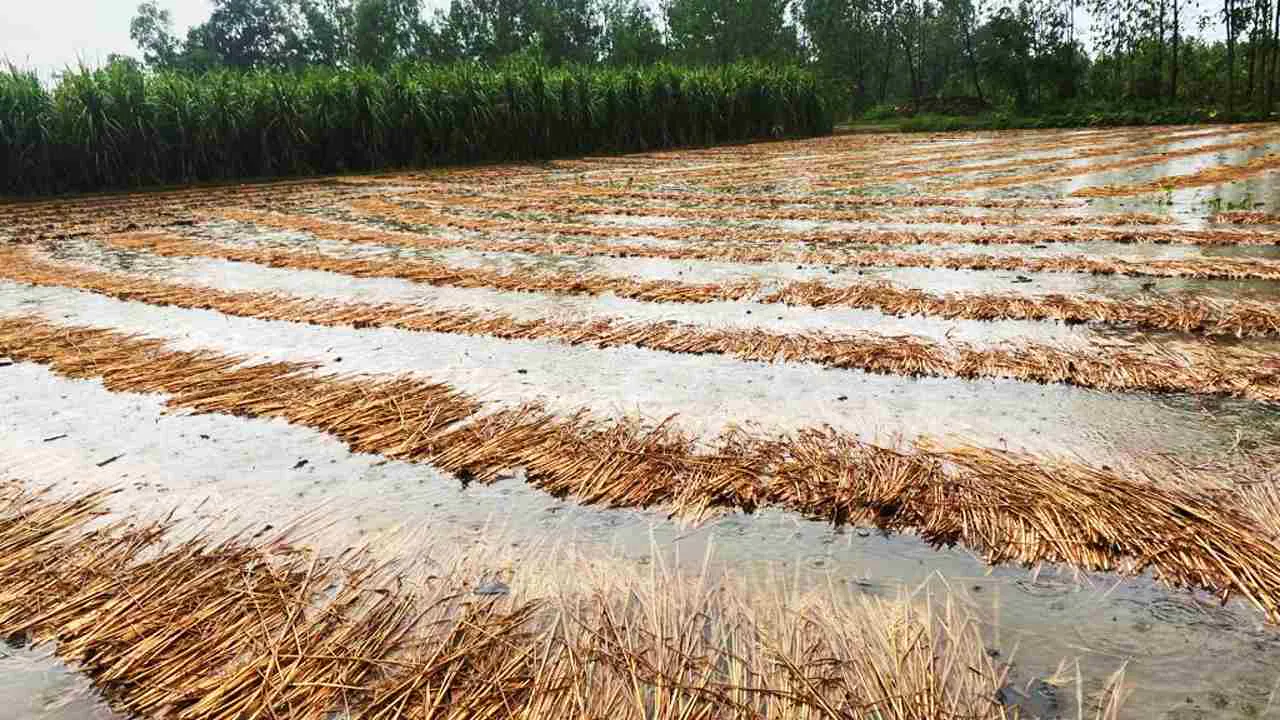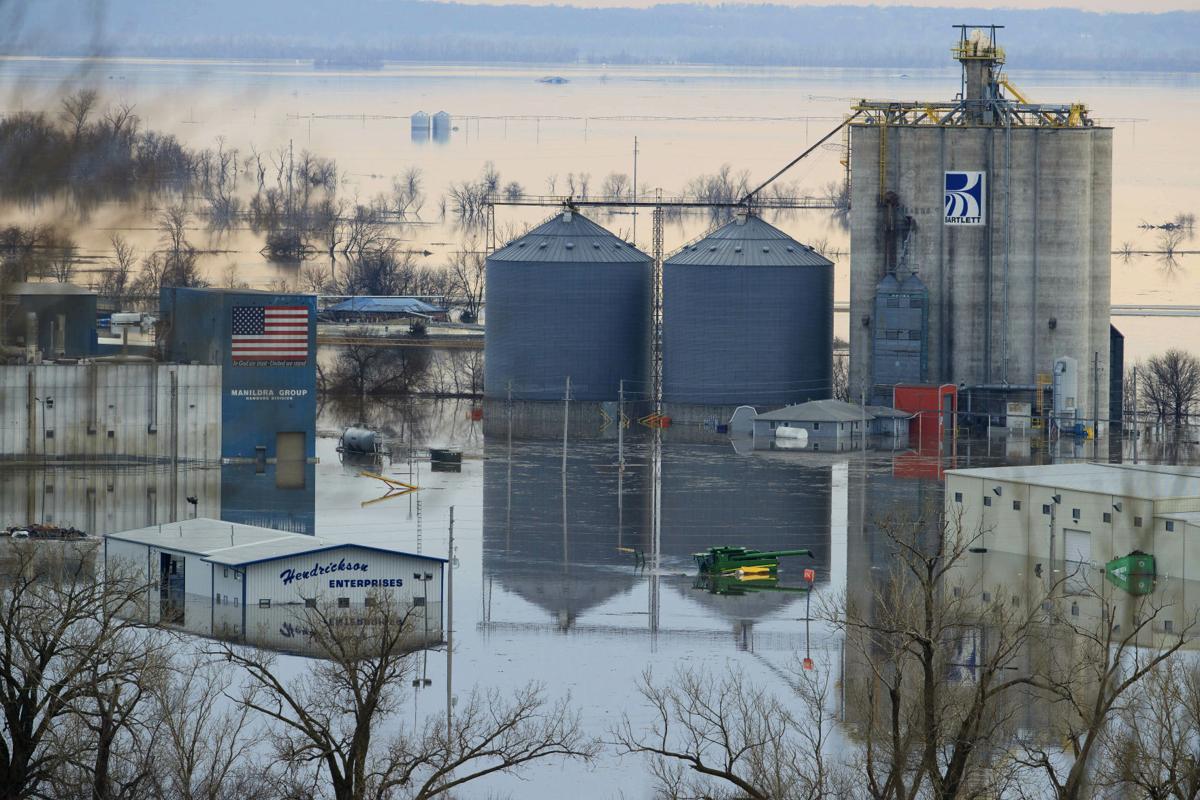
A devastating winter storm two weeks ago left millions of acres of farmland under water or at risk of flooding in Nebraska, Kansas, Iowa and Missouri.
As water levels continue to rise along the Mississippi and Missouri river systems, the effects of the storm could impact South Carolina farmers.
John Gill, president of the Henrietta-Crooked River Drainage and Levee District of Ray County in Missouri, said his district has been forced to increase the levee height with plywood and sandbags by as much as two feet in some areas along the Missouri River.
“This isn’t our water,” Gill said. “It’s water coming out of Nebraska from an unusual amount of snowpack with two inches of rain on top. The rain couldn’t absorb in the frozen ground, so it all went into the reservoirs, and we’ve seen some extraordinarily high releases from the five reservoirs upstream. We see this occasionally, but not at this high level.”
Although it has not breached yet, rain in tributaries of the Missouri could force the river to overtop the levee and flood the area. A breach of the levee would put 50,000 acres of primarily agriculture land underwater, Gill said.
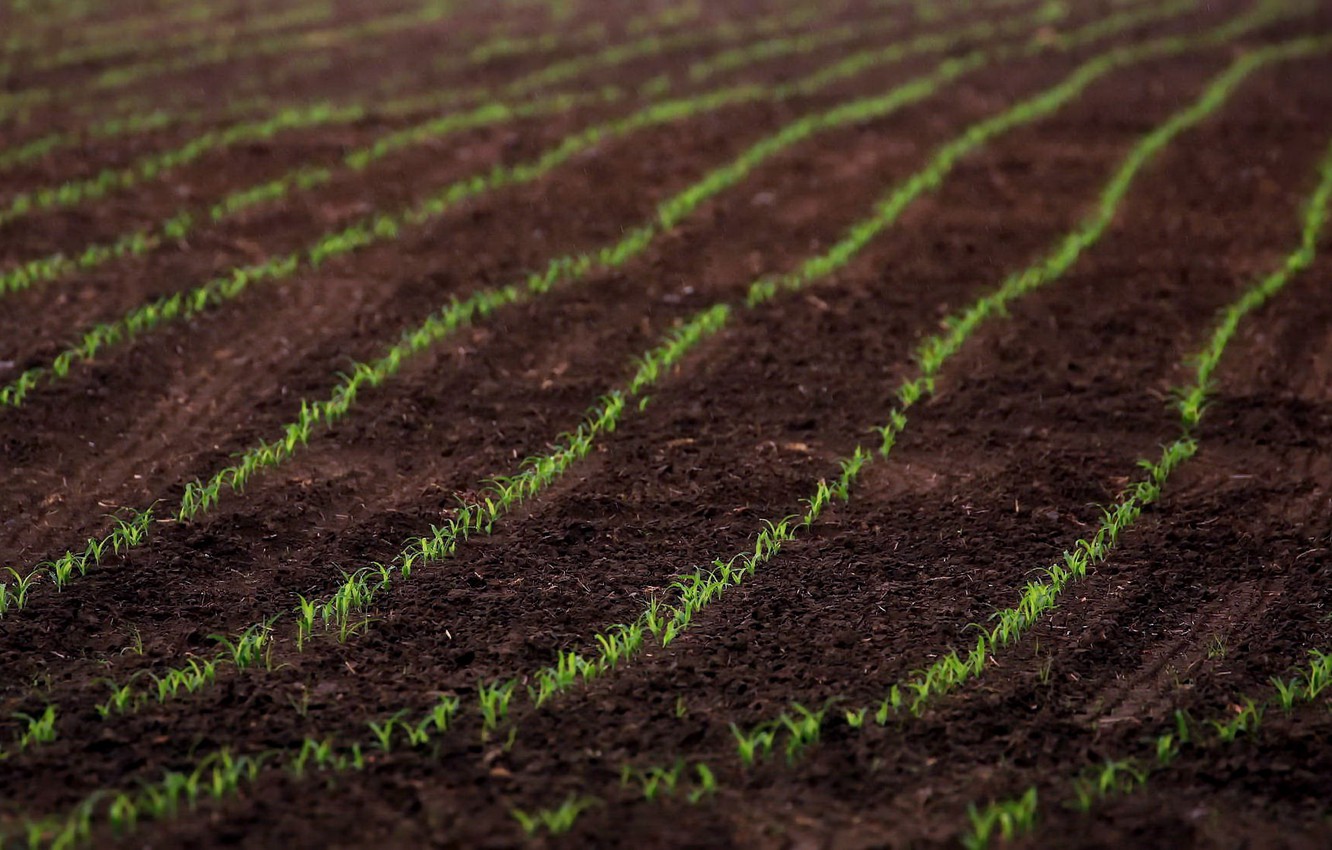
“We are looking at two scenarios for the future,” Gill said. “If it doesn’t breach, we can be back to farming by next week, weather permitting. If we get more rain and we overtop, it would significantly delay planting.”
In other parts of the Midwest, flood waters have already covered crop fields, ruined thousands of bushels of stored grain and left livestock animals stranded.
South Carolina Department of Agriculture Assistant Commissioner Aaron Wood said although the full impact of the flooding is not yet known, there could be economic implications for South Carolina farmers.
“The markets will reflect the interruptions of supply and demand. In the coming weeks and months, we could see higher prices for grain sold in the state,” Wood said. “Around 60 percent of U.S. grain that is exported travels down the Mississippi River, so flooding on the river has national consequences.”
Since South Carolina livestock producers use more feed corn and soybeans than are grown in the state, the price could reflect the reduction in supply. Also, for feeder cattle going to Midwestern feedlots, there could be marginally higher prices while the Midwestern supply lines recover, Wood said.
Clemson Extension economist and professor of agribusiness production Nathan Smith said although the flooding could result in a short-term bump in the market, the lasting market effects will be based on the speed of recovery.
“The markets are going to get more concerned if the flooding continues, but if they are able to get back in the fields and things dry out, there is still plenty of time for them to recover,” Smith said.
For Dillon County row crop farmer Cullen Bryant, the potential for any favorable market conditions would be welcome news.
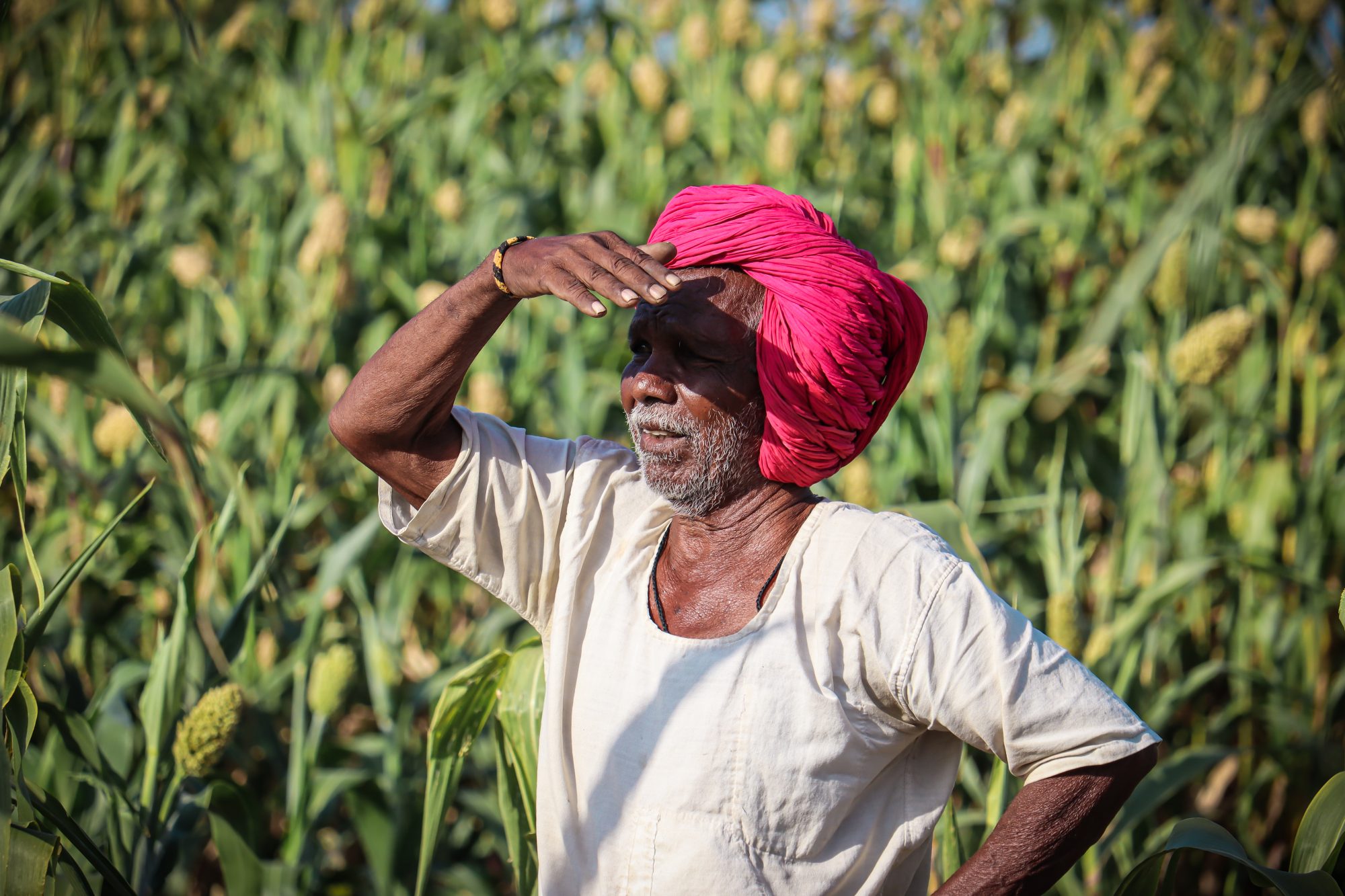
“For the last several years, the ag sector has been so depressed by prices and the natural disasters,” Bryant said. “We really need a good year, both in production and price, to put people back on their feet. We won’t make it back in one year, but we really need a good year.”
Wood said the negative economic climate for ag sales nationwide means farmers across the country face many of the same challenges.
“Every little bit helps, and a few cents on the bushel makes a difference, but this natural disaster is not the help we need,” Wood said. “Farmers in South Carolina feel the pain of the farmers in the Midwest. Local producers have dealt with natural disasters in three of the last four years. In 2018 Hurricanes Florence and Michael caused roughly $205 million in crop loss.
“This most recent disaster brings attention to the suffering of farmers both here and across the country.”
Source - https://www.scnow.com