

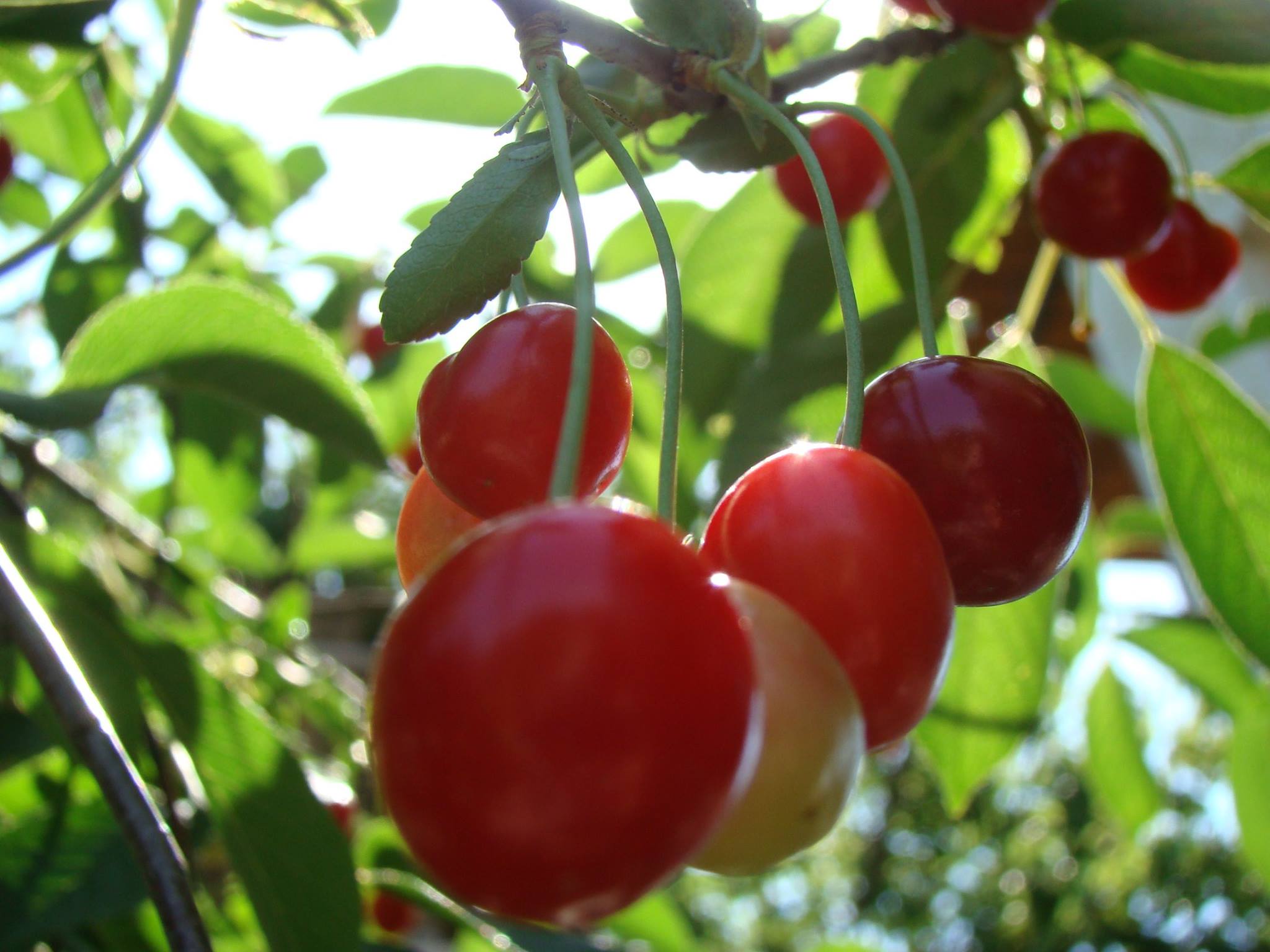
USA - Rain takes a bite out of Washington cherry crop
22.06.2016 418 views
A light but stellar Washington cherry crop has been damaged by heavy rain, and while some fruit was ruined overall industry losses may not be as large as first thought.
What previously was estimated as a crop of 18.3 million, 20-pound boxes now is probably a 17-million-box crop, said B.J. Thurlby, president of Northwest Cherry Growers, the industry promotional organization.
A total of 7.3 million boxes had been shipped from the start of the season, May 18, through June 20. Virtually all were picked before the June 18 rain, Thurlby said.
“It wasn’t a horrible rain storm. It could have been worse. It stayed cool and the wind blew,” he said.
Wind helps dry cherries and cool weather afterward reduces crop-ruining cracking.
Two weeks of cool weather before the rain is pushing the production peak of 500,000-plus boxes per day out to the Fourth of July, he said.
The Fourth is a traditional marketing target, and there still will be plenty of fruit for the Fourth with promotions and ad-prices remaining in place, Thurlby said.
Heavy rain struck throughout Central Washington from Oregon to Canada. Picking mostly ceased through Monday as growers and packers analyzed how much fruit could be salvaged.
“Cracks in the stembel are legal to pack if they are small and heal,” said Norm Gutzwiler, a Wenatchee grower.
“If prices are right, it can be sorted and make money for the grower. If not, they go to the processor (for brining) or you leave them on the tree,” Gutzwiler said.
It’s a matter of economics when it comes to high-tech packing house sorting and if prices are too low growers shouldn’t be picking, he said.
“Frankly, prices will have to go higher than they are,” Gutzwiler said, adding production and marketing will be in limbo a few days.
Gutzwiler, Thurlby and others said fruit size and quality had been exceptional until the rain.
Damage ranges up to 45 percent but will clean up in a week and later fruit will mature with no damage, said Roger Pepperl, marketing director at Stemilt Growers LLC in Wenatchee, the nation’s largest sweet cherry producer.
“We are extremely optimistic with good fruit size, lots of Skeenas (variety) coming on with great flavor and good demand,” Pepperl said.
Fourth of July cherries will be “awesome” and Stemilt will offer a special Kyle’s Pick brand, named for Stemilt co-owner Kyle Mathison, with high sugars and firmness and large size, he said.
Thurlby said two large Skeena growers in the Basin lost 20 percent. Skeena, a Canadian variety, is more susceptible to cracking. Wenatchee’s Stemilt Hill orchards sustained up to 40 percent damage and a larger grower in the Okanogan about 5 percent, he said.
Rain was less in The Dalles, Ore., said Brenda Thomas, president of Orchard View Farms Inc., Oregon’s largest cherry grower. Damage is manageable with the company’s new high-tech cherry sorter a huge help, she said.
Normal 10 percent cullage has risen to 20 to 30 percent, she said. The crop is later than Washington’s with about two-thirds to go, she said.
Dave Taber, a grower in Oroville on the Canadian border, said multiple prior rains over several days already stressed cherries in the Okanogan. He said he probably lost 25 percent of his crop and estimated Rainiers in the area at 10 to 60 percent split, Skeena up to 40 percent, Lapin looking better at 15 percent and Sweetheart at 15 to 30, depending on location and crop load. Lighter crops with large fruit took the heaviest damage, Taber said.
“We’re trying to figure out the amount of damage and work our way through it. We will be packing. We will go forward,” said Harold Schell, director of field services at Chelan Fruit Cooperative, adding that the season is over for some.
Andy Handley, an East Wenatchee grower, said he lost about a third of this crop. More than 50 percent of his largest, nicest Sweethearts in one, five-acre block are split, making it an insurance claim, while across the street a heavier set of smaller Sweethearts are only 10 percent split.
The larger, more mature fruit “just couldn’t take five hours of rain,” he said.
As soon as the rain was done, he was blowing cherries dry with airblast sprayers but the “big stuff was already gone,” he said.
“Demand is very high because Bing volume is very low. I’d love to harvest this block if I could but it would double my harvest cost,” Handley said, looking at the cracked fruit in the lost block.
“If we bring in 35 percent splits, the shed asks us to stop. It’s not economical for them or us. Packouts need to be 80 percent or better for us to make it. The 70 percent range is only breakeven,” he said.
Two weeks of cool weather, before the rain and after June 4-7 high heat, really saved the cherry crop, Handley said. He said he paid $7 per bucket, up from $4, to keep pickers through his Bing for his Rainier, he said.
Labor was tight but now is better, Handley and others said.
Source - http://www.capitalpress.com/
EVENTS

ScaleAgData Stakeholder Engagement Event
22.10.2024The ScaleAgData project is pleased to invite you to our second stakeholder event. Building on the discussions and connections formed during our first webinar, this event will focus on fostering collaboration among stakeholders, providing updates on our project’s progress, and outlining future opportunities for engagement.
RISK EVENTS

Moldova - May frosts caused heavy damage to fruit orchards
10.05.2026The first frosty nights of May have significantly worsened estimates of damage to Moldova's fruit sector from spring frosts. According to initial assessments by fruit market operators, between a quarter and a third of the country's total orchard area was seriously affected.
04.06.2026

India - Delhi raises crop damage compensation after 10 years by over 50% to Rs 75,000 per hectare
In a major relief for farmers, the Delhi government has increased compensation for crop loss caused by rain and hailstorms from Rs 20,000 per acre to Rs 75,000 per hectare.
04.06.2026

Why Tech-Driven Agro-Insurance Has Stumbled in Ethiopia
For decades, Ethiopia’s agricultural sector has remained trapped in a dangerous paradox.
04.06.2026

UK - Rural crime cost Wales £2.2m last year despite fall in offences
Rural crime cost Wales an estimated £2.2 million last year, with organised criminals continuing to target tractors, livestock and farming equipment despite an overall fall in offences, according to a new report.
04.06.2026

Kenyan Agro-Insurance Startup, Pula Raises US$ 20 Million in Series B Round
Pula, a Kenyan startup that offers insurance to small-scale farmers, aims to serve more than 100 million farmers in Africa after raising US$ 20 million in its Series B round.
04.06.2026

USA - USDA announces $52M to boost public access to private lands for hunting, fishing
The U.S. Department of Agriculture is announcing $52 million to help state and tribal governments encourage private landowners to allow public access to their land for hunting, fishing and other wildlife-dependent recreation through the Voluntary Public Access and Habitat Incentive Program (VPA-HIP).
04.06.2026

Hope Grows in Malawi’s Grain Stores as Farmers Battle Post-Harvest Losses
Some grain rots in poorly ventilated storage. Some is eaten by pests. Some is damaged during drying or transportation before it ever reaches the market.
03.06.2026

Canada - AFSC extends several northern Alberta seeding dates for 2026
Alberta’s Agriculture Financial Services Corp. (AFSC) is extending the recommended seeding dates in the province’s northeast, northwest and Peace regions for several crops for the 2026 growing season only.
03.06.2026

India - Elephants run amok in Konaje agricultural farm, cause massive crop damage
A herd of elephants, including calves, wreaked havoc on an agricultural farm belonging to Yashodhara Gowda at Pallattadka in Konaje village of Kadaba taluk.
