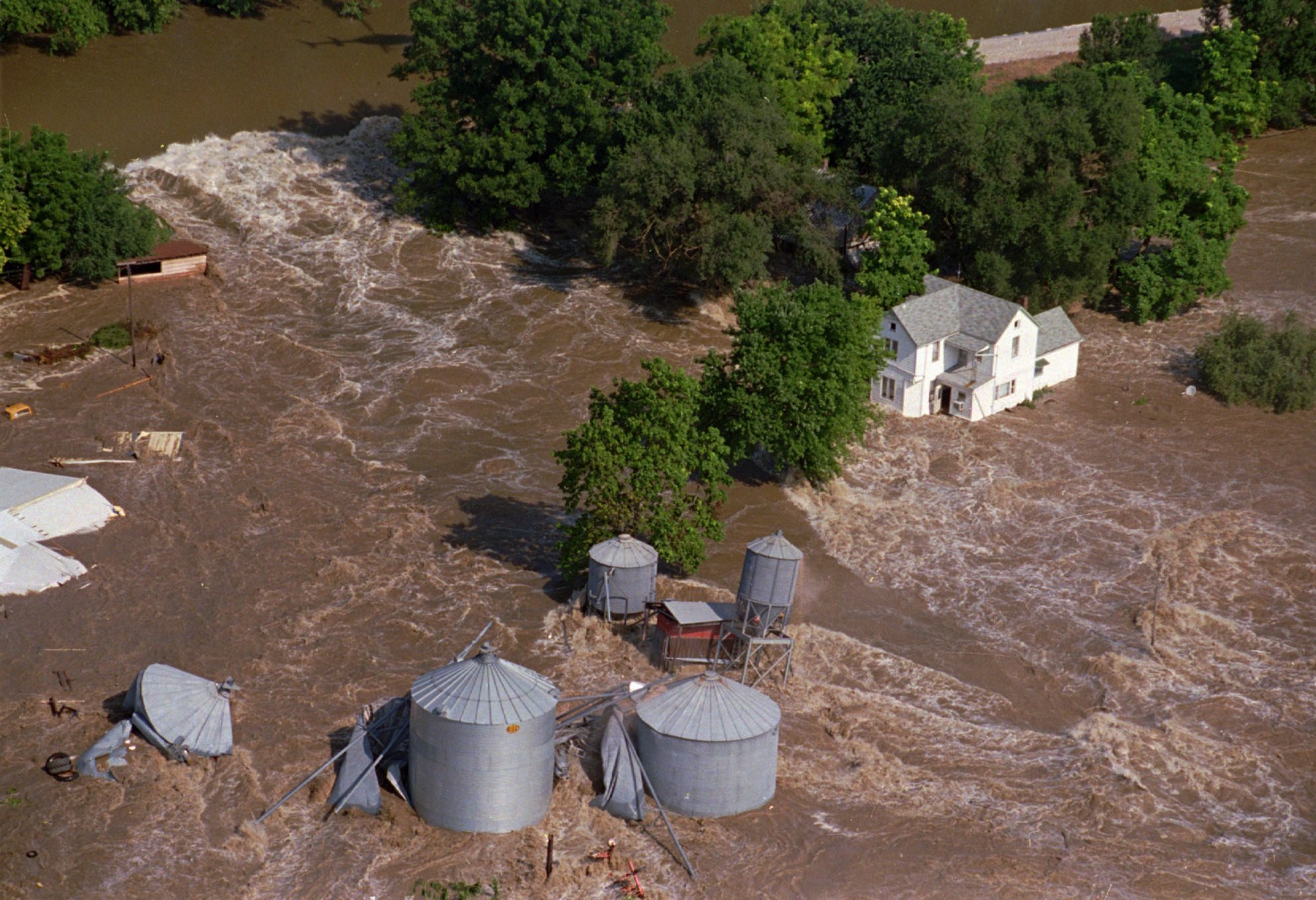
USA - Soybean farmers in western Iowa remain flooded

26.03.2019 763 views

Over 390,000 bushels of soybeans have been potentially destroyed.

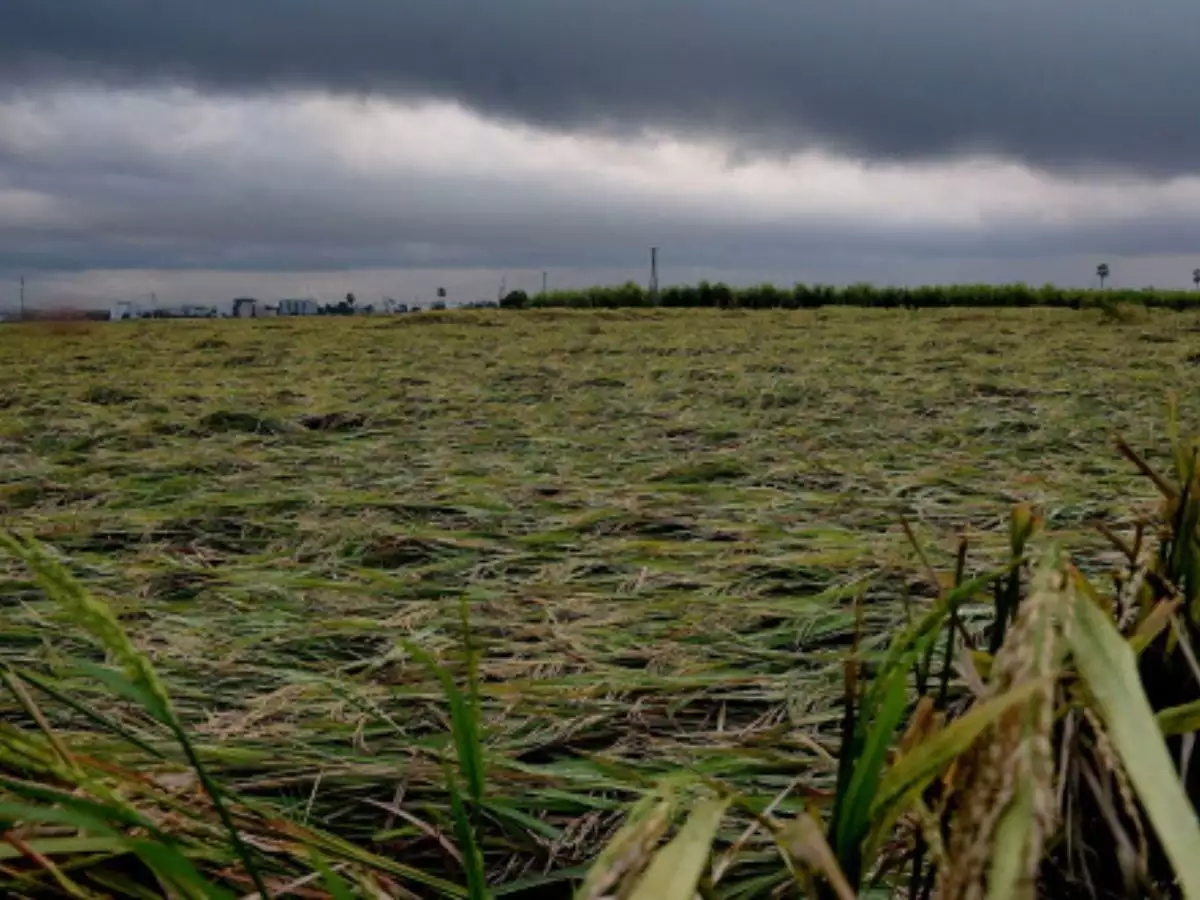
Soybean farmers in western Iowa are picking up the pieces after flash floods and rapid snowmelt caused ample losses in grain storage and equipment. While the waters will take time to recede, farmers should act immediately to mitigate the long-term impact. Sidney farmer and Iowa Soybean Association Director Jeff Jorgenson is living the nightmare. “This flooding was higher than it was in 2011,” said the farmer from Sidney, a small town located in Fremont County and hit hard by the flooding. “When the Missouri crested March 19, it became a wait and see game. We’re holding our breath and assessing the severity of the long-term damage.”
Among the 31 growers in Fremont County with grain in storage, over 390,000 bushels of soybeans have been potentially destroyed, with total crop losses estimated at $7.3 million. That number, Jorgenson said, will likely increase as flood waters retreat.

The Iowa Department of Agriculture and Land Stewardship (IDALS) urges farmers to work with their insurance providers and take inventory of any damage. The department’s website provides a list of resources for those impacted. “We want to remind farmers that if their grain comes in contact with flood waters it may be adulterated and should not be fed to livestock,” IDALS said in a statement. “Red Cross, Salvation Army and Habitat for Humanity are leading the human relief efforts. If individuals want to help with livestock relief, we encourage them to do so on the local level. When times get tough, Iowans come together to help their neighbors.” Source – https://www.siouxlandproud.com
11.02.2026

Australian growers report crop losses after ex-cyclone Mitchell

Carnarvon and Shark Bay were among the locations affected as ex-tropical cyclone Mitchell crossed the Western Australian coast as a weakened system on Monday night. 

11.02.2026

Ken Research Stated South Africa's Crop Insurance and AgriTech Market to Reached USD 1.2 Billion

Comprehensive market analysis maps climate-risk acceleration, technology-led underwriting transformation, and strategic imperatives for insurers, AgriTech platforms, and agribusiness stakeholders in South Africa's evolving agricultural risk ecosystem.

11.02.2026

Failing soil is pushing regenerative agriculture into the mainstream

Land degradation and extreme weather expose the fragility of farming systems, with direct consequences for supply chains, markets and economic resilience.

11.02.2026

Farmers report 'catastrophic damage to crops as Storm Marta hits Spain and Portugal

Farmers in Spain warned on Saturday that torrential rains and high winds had left fields submerged and caused millions of euros worth of damage to crops, as Spain ​and Portugal braced for more extreme weather.

11.02.2026

McCain Foods expands regenerative agriculture with third Farm of the Future in the United Kingdom

McCain Foods, the UK largest manufacturer of prepared potato products, has announced plans to launch a new Farm of the Future in North Yorkshire, home of McCain GB headquarters for more than 50 years, building on previously established Farms of the Future already operating in Canada and South Africa.

11.02.2026

Canada - Barlow calls for strychnine approval after $3M crop loss in Foothills

Local MP John Barlow, Conservative shadow minister for agriculture and agri-food, is weighing in on the federal government’s rejection of strychnine for emergency pest management. 

10.02.2026

India - Kashmir Fruit Growers Union welcomes crop insurance, flags ₹2000 cr farmers’ loss in Budget reaction

The Kashmir Valley Fruit Growers Cum Dealers Union (KVFG), the apex body representing orchardists across the region, has issued a mixed response to the Jammu & Kashmir Budget 2026-27. 

10.02.2026

Philippines - Lawmakers push for weather index-based crop insurance system

A lawmaking tandem from Abra is pushing for the passage of a measure seeking to establish a free weather index-based crop insurance (FIBCI) with an automatic payout system to better help small farmers during calamities caused by climate change.