


USA - Sunflower pest damages plants in central South Dakota
04.11.2016 409 views
A recent, informal survey of sunflower fields in Hughes and Sully counties in central South Dakota revealed the presence of Dectes stem borer in roots or at the base of many of the sunflower stems.
Ruth Beck, SDSU Extension agronomist who conducted the survey, said that although Dectes can be found in sunflower fields most years, in many cases, the stalk boring by Dectes in sunflowers has no measurable impact on seed yield or oil content.
However, significant losses can occur when the insect girdles the sunflower plant and causes lodging. The survey she conducted this fall showed that in most infested sunflower fields, the borer had girdled the plants.
Beck attributes this to the dryer growing conditions of 2016. "Dectes larvae cannot physically girdle a radius greater than about half an inch. Therefore, lodging will occur more frequently in situations of high plant density and drought conditions that lead to a small stalk diameter," Beck said.
Hot dry conditions that result in stalk desiccation will trigger the larvae to stop feeding and begin the girdling activity.
"In situations where soil moisture remains high close to harvest, sunflower stalks can remain damp and the larvae will continue to feed until cool temperatures limit their feeding," said Adam Varenhorst, SDSU Extension field crop entomologist.
Under these conditions, Varenhorst said few larvae complete the girdling process and some do not girdle at all. Therefore, lodging does not become such a problem.
Oilseed dryland sunflowers at greatest risk
Typically, oilseed dryland sunflowers are more at risk because they are planted at higher populations than confection types. In many years, sunflowers can tolerate Dectes infestations without sustaining any losses.
To avoid issues, Beck encouraged sunflower growers to carefully control plant spacing to manage stalk radius and other cultural practices that preserve soil moisture.
She also pointed out that in regard to crop rotation, Dectes can also be a pest in soybeans and is hosted by a number of common weeds including ragweed and cocklebur.
"Information from Kansas suggests that wild sunflower is resistant to this pest," she added.
During the summer, the Dectes stem borer, also referred to as the long horn stem borer, lives inside the sunflower stalk as a white larva.
The larvae arise when adult stem borers lay eggs in the sunflower plant. The female Dectes stem borer chews a hole in the stalk just under the leaf petiole and places its eggs in the hollow cavity at the core of the petiole.
Upon hatching, in early July, the legless larvae bore down the petiole and into the core of the main stalk.
The larvae will only feed on the moist pith and will not consume dry material,
"Therefore, stalk desiccation will signal the end of larval feeding. At this time the larvae (only one per stem) will terminate feeding and prepare for winter by cutting a disk-shaped incision about ½ inch in radius from the center of the stalk," said Patrick Wagner, SDSU Extension entomologist. "The larvae then plug the tunnel below the girdle with plant frass or shavings to seal itself in the chamber for the winter."
During Beck's survey, nearly all of the Dectes found in surveyed fields were sealed in a chamber at the base of the plant just under the soil surface.
Source - http://www.tristateneighbor.com
EVENTS

ScaleAgData Stakeholder Engagement Event
22.10.2024The ScaleAgData project is pleased to invite you to our second stakeholder event. Building on the discussions and connections formed during our first webinar, this event will focus on fostering collaboration among stakeholders, providing updates on our project’s progress, and outlining future opportunities for engagement.
RISK EVENTS

Moldova - May frosts caused heavy damage to fruit orchards
10.05.2026The first frosty nights of May have significantly worsened estimates of damage to Moldova's fruit sector from spring frosts. According to initial assessments by fruit market operators, between a quarter and a third of the country's total orchard area was seriously affected.
04.06.2026

India - Delhi raises crop damage compensation after 10 years by over 50% to Rs 75,000 per hectare
In a major relief for farmers, the Delhi government has increased compensation for crop loss caused by rain and hailstorms from Rs 20,000 per acre to Rs 75,000 per hectare.
04.06.2026

Why Tech-Driven Agro-Insurance Has Stumbled in Ethiopia
For decades, Ethiopia’s agricultural sector has remained trapped in a dangerous paradox.
04.06.2026
UK - Rural crime cost Wales £2.2m last year despite fall in offences
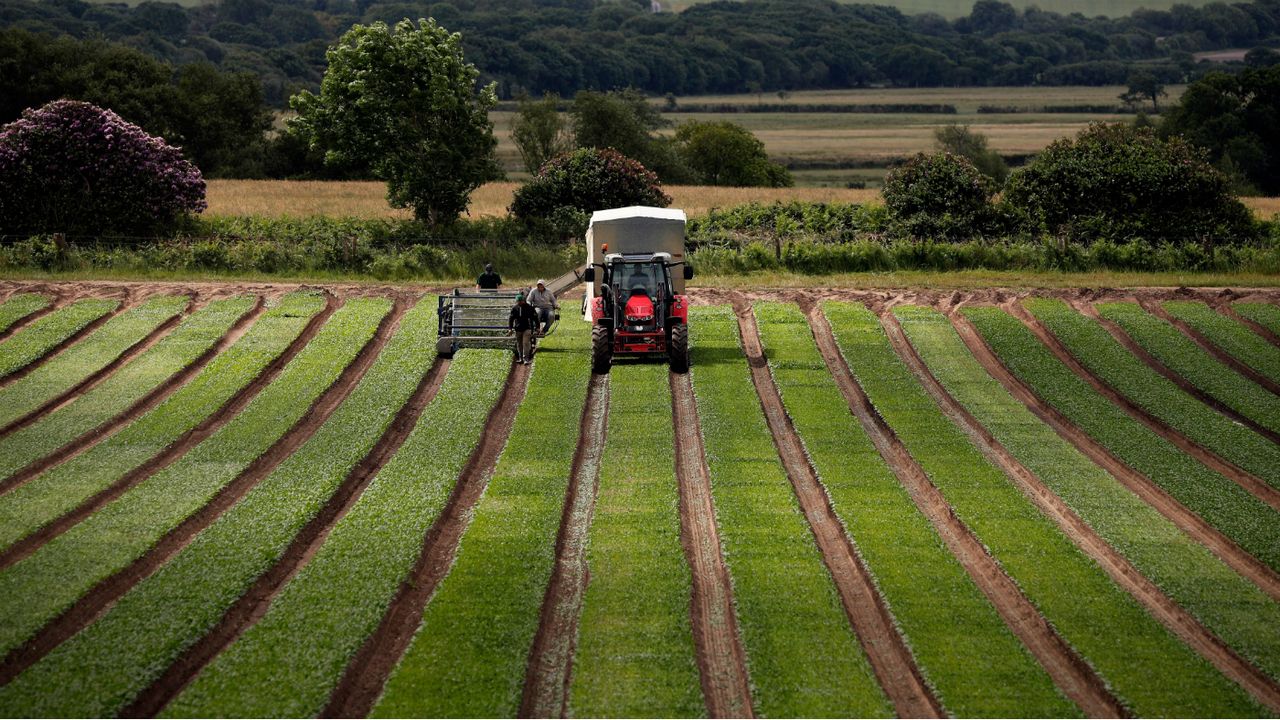
Rural crime cost Wales an estimated £2.2 million last year, with organised criminals continuing to target tractors, livestock and farming equipment despite an overall fall in offences, according to a new report.
04.06.2026

Kenyan Agro-Insurance Startup, Pula Raises US$ 20 Million in Series B Round
Pula, a Kenyan startup that offers insurance to small-scale farmers, aims to serve more than 100 million farmers in Africa after raising US$ 20 million in its Series B round.
04.06.2026
USA - USDA announces $52M to boost public access to private lands for hunting, fishing
The U.S. Department of Agriculture is announcing $52 million to help state and tribal governments encourage private landowners to allow public access to their land for hunting, fishing and other wildlife-dependent recreation through the Voluntary Public Access and Habitat Incentive Program (VPA-HIP).
04.06.2026

Hope Grows in Malawi’s Grain Stores as Farmers Battle Post-Harvest Losses
Some grain rots in poorly ventilated storage. Some is eaten by pests. Some is damaged during drying or transportation before it ever reaches the market.
03.06.2026
Canada - AFSC extends several northern Alberta seeding dates for 2026
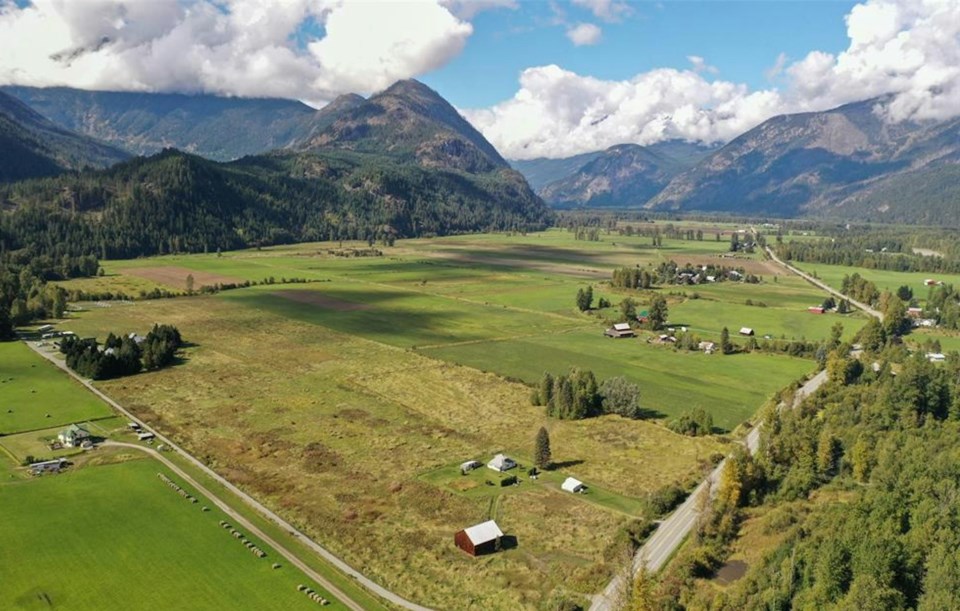
Alberta’s Agriculture Financial Services Corp. (AFSC) is extending the recommended seeding dates in the province’s northeast, northwest and Peace regions for several crops for the 2026 growing season only.
03.06.2026

India - Elephants run amok in Konaje agricultural farm, cause massive crop damage
A herd of elephants, including calves, wreaked havoc on an agricultural farm belonging to Yashodhara Gowda at Pallattadka in Konaje village of Kadaba taluk.
