The U.S. Department of Agriculture’s Risk Management Agency (RMA) announced it will defer accrual of interest for all agricultural producers’ spring 2019 crop year insurance premiums to help the wide swath of farmers and ranchers affected by extreme weather in 2019. Specifically, USDA will defer the accrual of interest on spring 2019 crop year insurance premiums to the earlier of the applicable termination date or for two months, until Nov. 30, for all policies with a premium billing date of Aug. 15, 2019. For any premium that is not paid by one of those new deadlines, interest will accrue consistent with the terms of the policy.
“USDA recognizes that farmers and ranchers have been severely affected by the extreme weather challenges this year,” U.S. Agriculture Secretary Sonny Perdue said. “I often brag about the resiliency of farmers, but after a lifetime in the business, I have to say that this year is one for the record books. To help ease the burden on these folks, we are continuingto extend flexibility for producers with today’s announcement.”
RMA administrator Martin Barbre added, “This administrative flexibility is not unprecedented but is a move RMA takes seriously and only under special circumstances like we’re experiencing today. Growers typically have some crop harvested and cash flow to make their billing date, but with so many late-planted crops, this year will be an anomaly.”
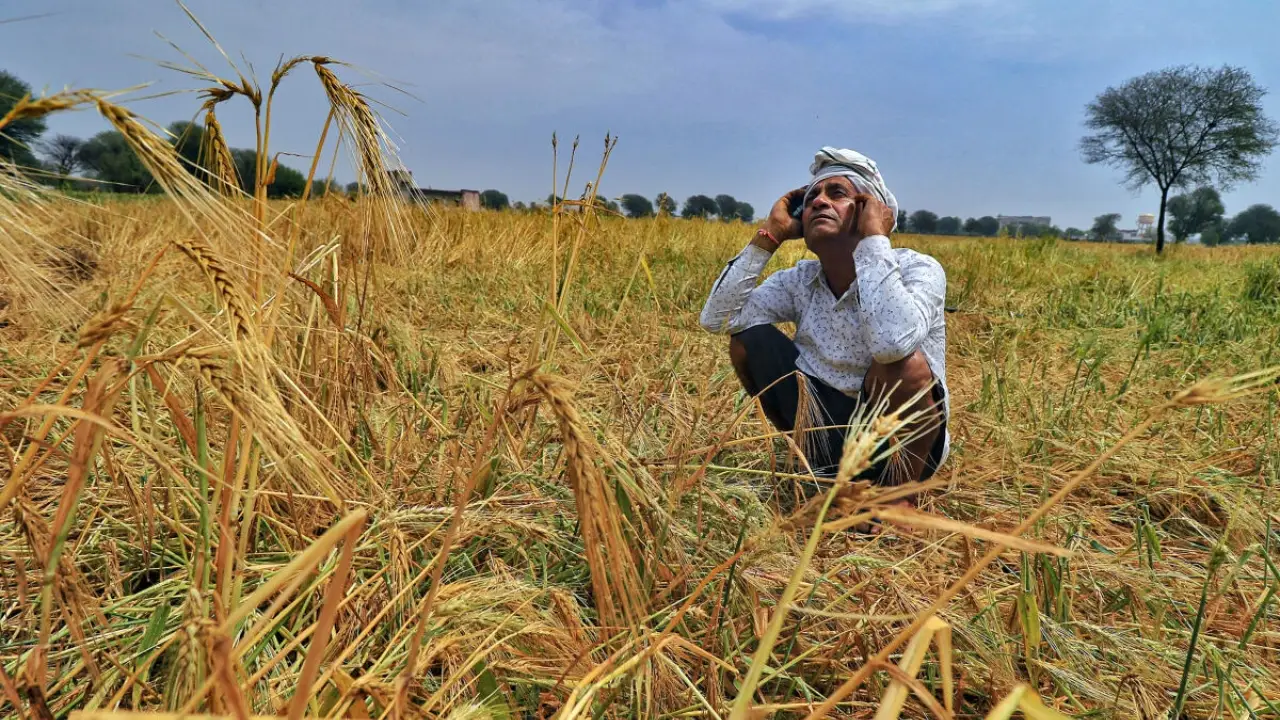
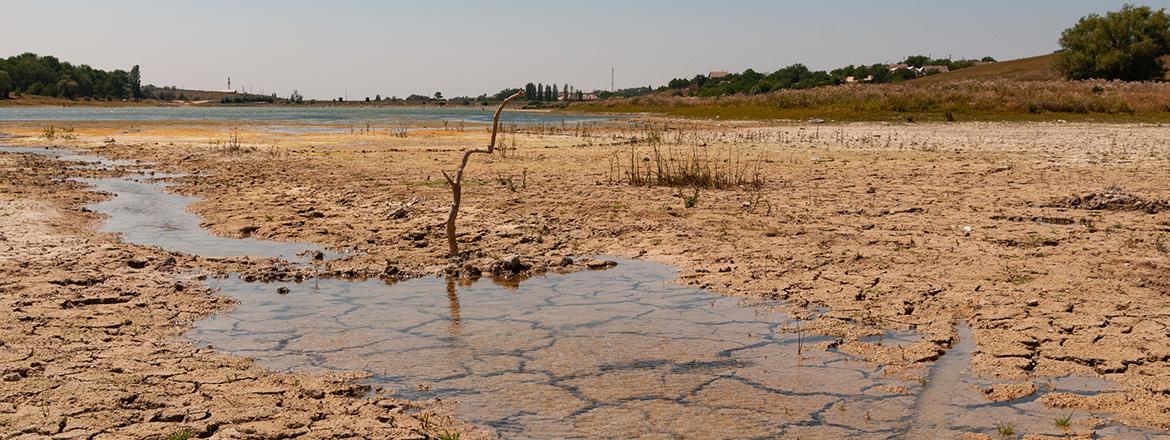
America’s farmers and ranchers have been especially challenged throughout the 2019 crop year, struggling through severe flooding and excessive moisture conditions across the grain belt and in many other rural communities, with some areas also dealing with extreme heat and drought. Such weather conditions are expected to take a serious toll on acres planted, crop yields and crop quality as harvest begins. One of the largest operating costs for producers is crop insurance premiums paid to their approved insurance provider. Many spring crop insurance premiums are due to be paid before Oct. 1.
Without the interest deferral, policies with an Aug. 15 premium billing date would have interest attach starting Oct. 1 if premiums were not paid by Sept. 30. Now, under the change, policies that do not have the premium paid by Nov. 30 will have interest attach on Dec. 1, calculated from the date of the premium billing notice.
USDA revealed Aug. 12 that U.S. farmers filed prevented planting claims on more than 19 million acres during the 2019 crop year. Earlier this summer, USDA announced a series of flexibilities to reduce stress on producers affected by weather, including: providing more time for cover crop haying and grazing by moving the start date from Nov. 1 to Sept. 1, 2019; allowing producers who filed prevented planting claims and then planted a cover crop with a potential for harvest to receive a Market Facilitation Program payment of $15 per acre; holding signups in select states for producers to receive assistance in planting cover crops, and extending the crop reporting deadline in selected states.
USDA also will provide producers with additional prevented planting acreage assistance -- which will be announced in the coming weeks -- through the Additional Supplemental Appropriations for Disaster Relief Act of 2019.
Source - https://www.feedstuffs.com