

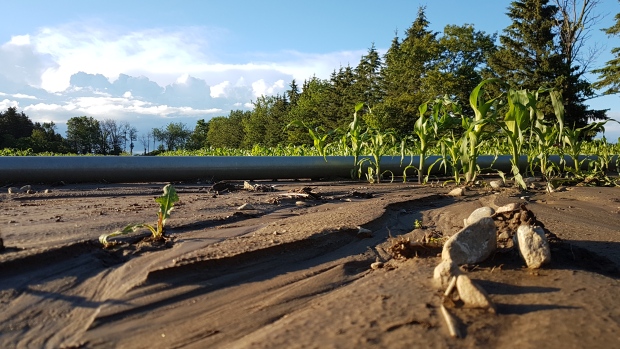
USA - Wet weather pushing corn farmers past deadline for crop insurance
07.06.2019 900 views
Michigan corn farmers could lose out on crop insurance coverage if they didn’t have seeds in the ground by Wednesday’s deadline.
Many areas are still too wet preventing farmers from planting. Beginning Thursday, farmers who get crop insurance, or pay to have their plants protected against severe weather or decline in prices, could lose 1% of their per-acre coverage every day their land is bare.
On Wednesday, Coopersville farmer Marlin Langeland began planting for the first time this season.
"The challenge is we are a month behind, so we are trying to get a month’s worth of work done in the next week," Langeland explained.
He is like many farmers in West Michigan who have been delayed by the stretch of wet weather.
"I’m planting corn and that’s the one essential crop we need. With corn you need a certain amount of time, it takes all summer for it to grow. If you start a month late, it's in jeopardy of actually getting a ripe at harvest time," Langeland added.
The corn that Langeland grows will be feed for his dairy cows.
He doesn’t get insurance on his crop but those who do could be losing out soon.
Crop Insurance Specialist Matt Thelen estimates more than half the farmers in the state are still in a tough spot.
"I’d say at least 50% of farmers in the state are in this situation where they don’t have everything planted yet and are either still waiting for things to dry out and get planted or are contemplating prevent plant options," Thelen explained.
Insured farmers who have not planted will lose coverage each day beginning Thursday, but they still have until the end of the month to file a claim that they are unable to plant.
"They can file for a prevented planting claim that will help indemnify them of most of their costs," Thelen added.
If farmers choose that route, they will not be able to plant any crop on those acres this season, or they can continue without coverage and hope for the best this fall.
This will all affect the market nationwide. With limited supply, cash croppers could make more money, but livestock farms who buy corn for feed would take a hit.
A similar deadline for soybean farmers is coming up on June 15.
Source - https://fox17online.com
EVENTS

ScaleAgData Stakeholder Engagement Event
22.10.2024The ScaleAgData project is pleased to invite you to our second stakeholder event. Building on the discussions and connections formed during our first webinar, this event will focus on fostering collaboration among stakeholders, providing updates on our project’s progress, and outlining future opportunities for engagement.
RISK EVENTS

Moldova - May frosts caused heavy damage to fruit orchards
10.05.2026The first frosty nights of May have significantly worsened estimates of damage to Moldova's fruit sector from spring frosts. According to initial assessments by fruit market operators, between a quarter and a third of the country's total orchard area was seriously affected.
27.10.2026
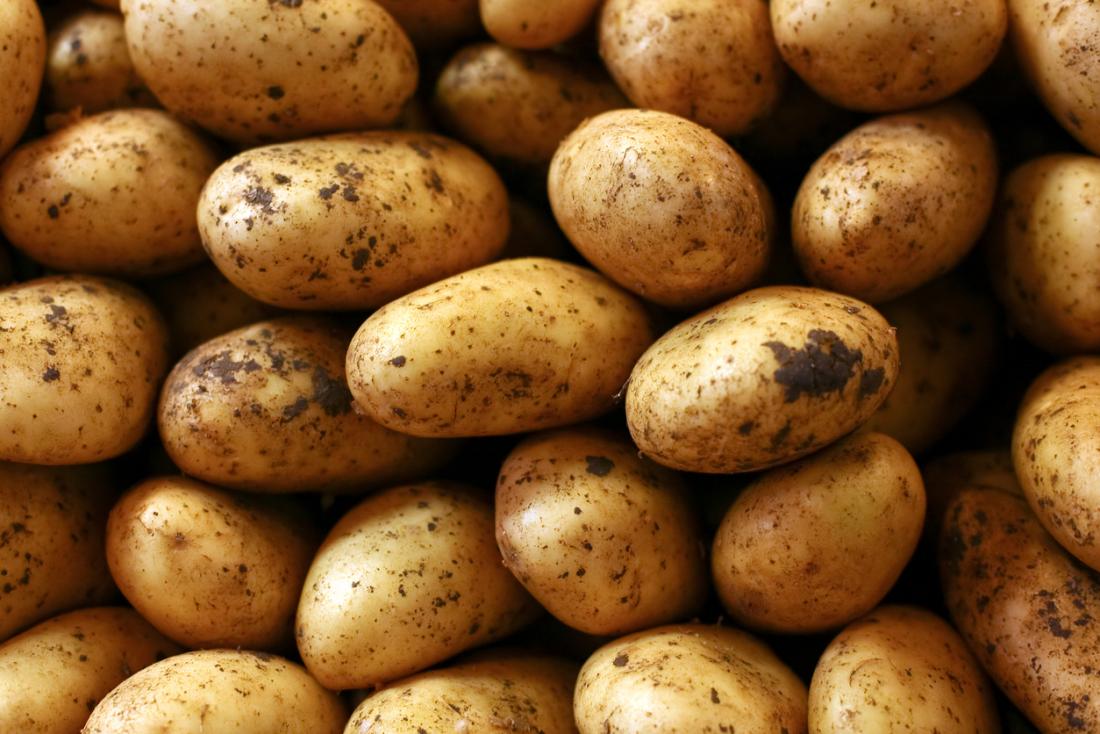
USA - Potato breeding research targets reduced handling damage and crop losses
Potato breeding research is examining how tuber characteristics influence damage during harvesting, storage, grading, and packing. The objective is to increase marketable yields while maintaining crop quality and meeting market specifications.
27.10.2026
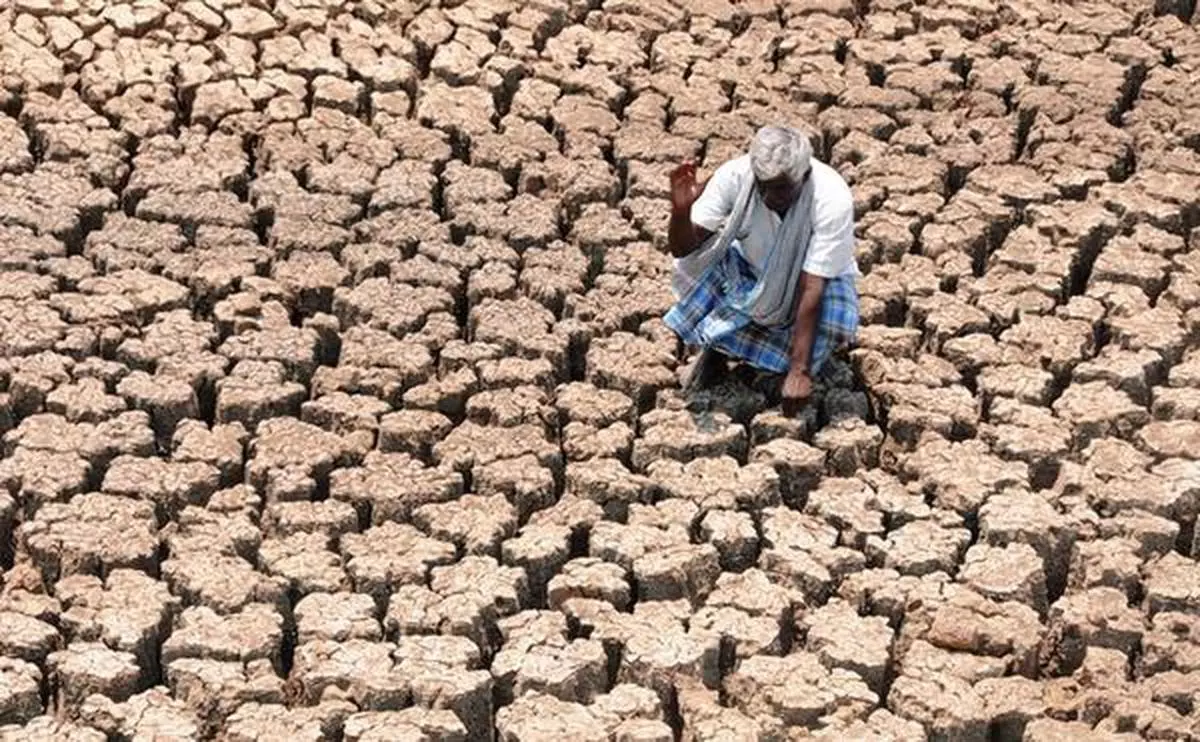
India - Gujarat Drought Relief Triggers Farmer Backlash Over ₹8,500 Aid
Gujarat’s drought relief package has triggered opposition from farmer leaders in Dwarka, who say the proposed assistance of ₹8,500 per hectare is inadequate and have announced a possible agitation from November 12 if the government does not revise the eligibility and assistance norms.
27.10.2026
USA - Fall Covers for Spring Savings incentive program returns
The Illinois Department of Agriculture is launching the eighth year of its Fall Covers for Spring Savings Program.
27.10.2026
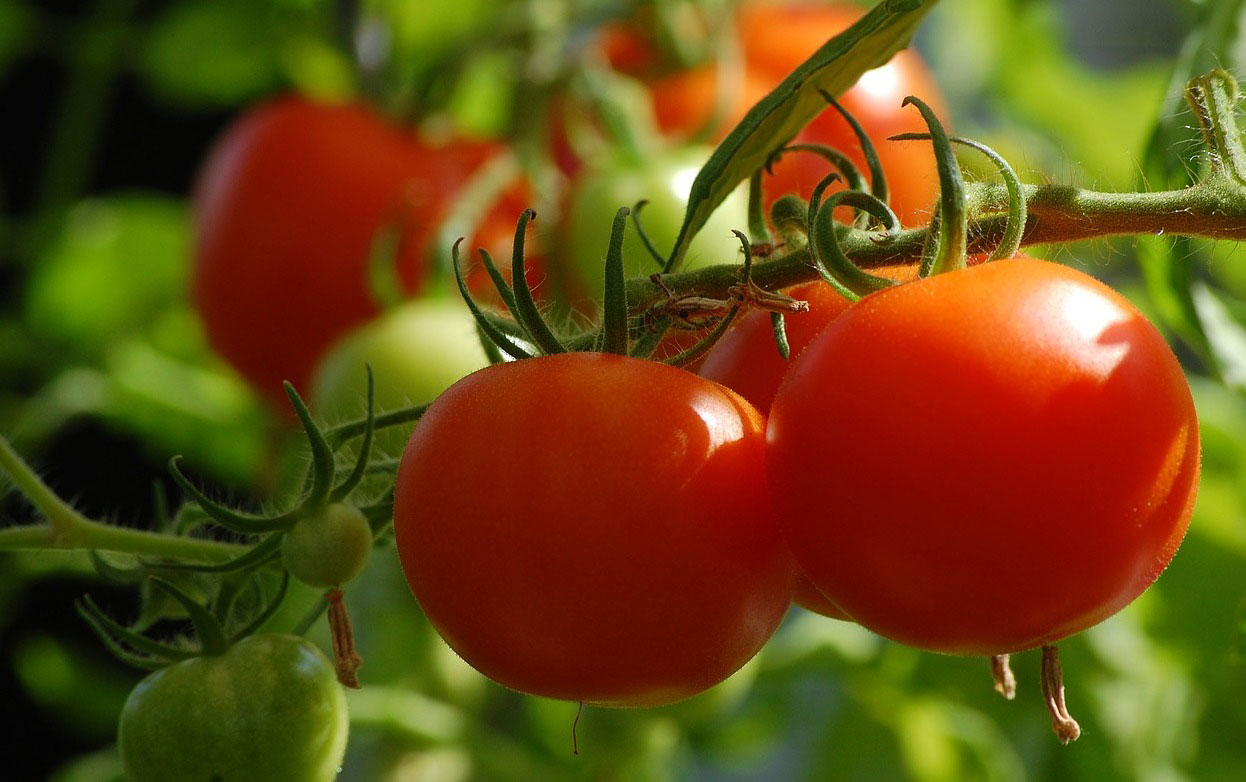
India-Ghana Agricultural Pact targets tomato production, crop research and post-harvest losses
Five-year ICAR–CSIR-CRI agreement puts vegetable research, tuber processing, cold-chain technology and commercialisation at the centre of India-Africa agricultural cooperation.
27.10.2026

India - Tandur Gram Crop Withers Amid Water and Power Shortages
Tandur gram received the Geographical Indication (GI) tag in December 2022, recognising its distinctive identity and quality. However, farmers who cultivate the crop are now struggling to save their produce amid unfavourable conditions.
27.10.2026
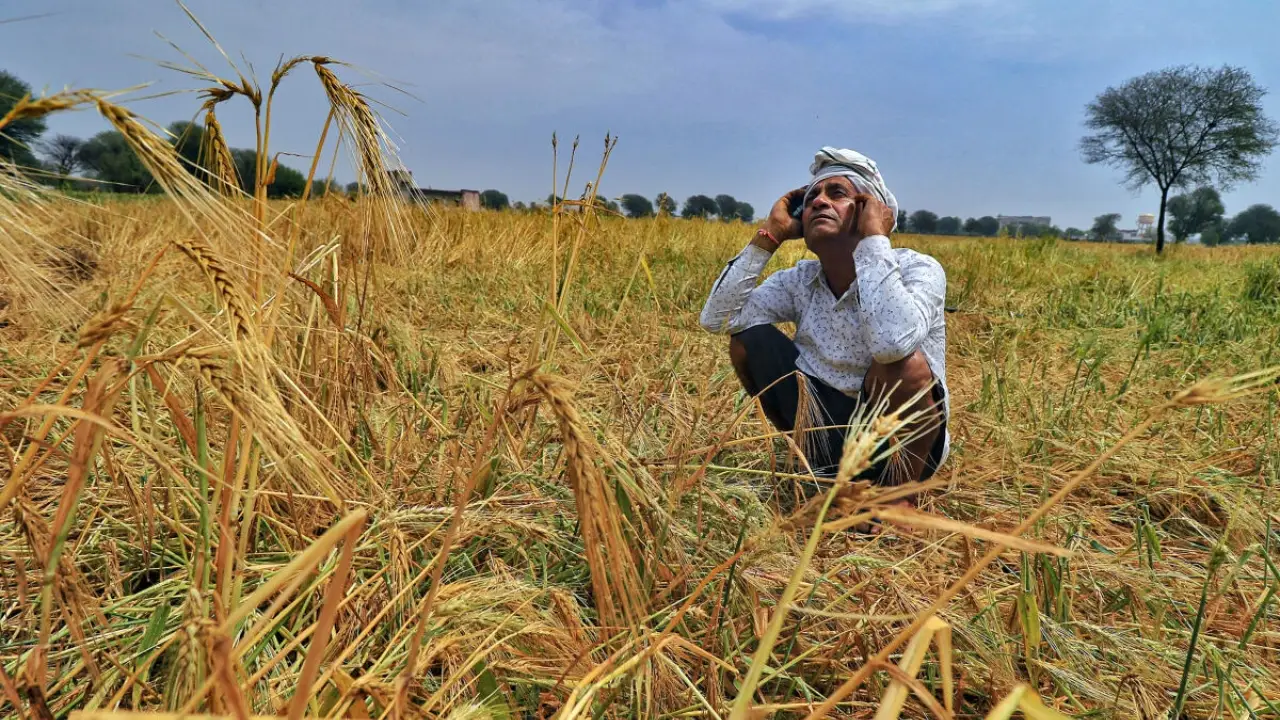
India - Odisha Issues Show-Cause Notice to 6 ADMs Over PMFBY Data Lapses
The Cooperation Department of Odisha has issued show-cause notices to the Additional District Magistrates (ADMs) and PMFBY Nodal Officers of six districts for severe negligence in uploading Crop Cutting Experiment (CCE) data under the Pradhan Mantri Fasal Bima Yojana (PMFBY).
26.10.2026
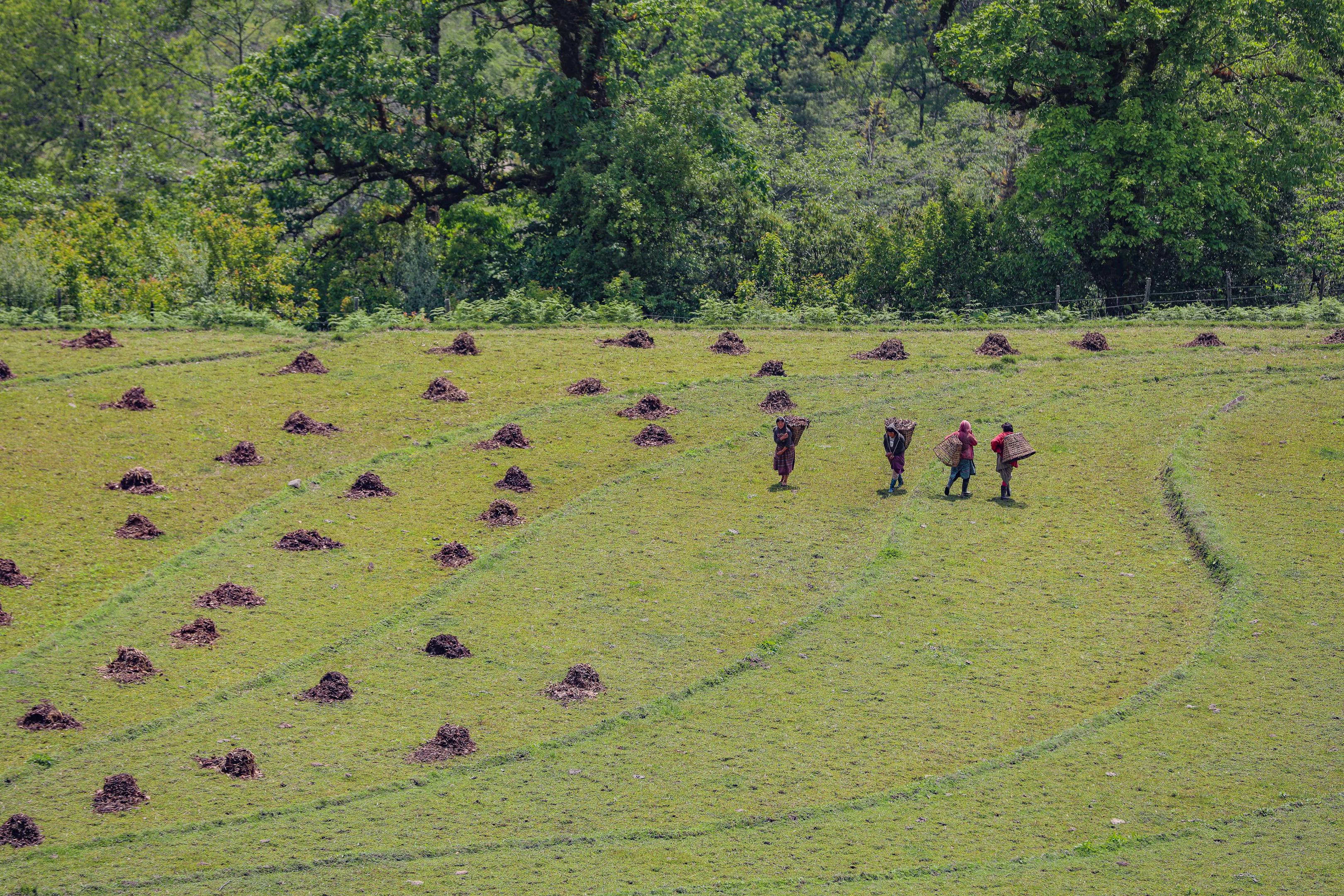
Malaysia studies expanding crop insurance to other agricultural sectors
The government is assessing steps to expand the crop insurance scheme as the agricultural sector faces increasingly significant risks from natural disasters and extreme weather. A comprehensive study is needed before the scheme can be extended beyond rice crops, including to examine how premiums should be paid and losses assessed.
26.10.2026
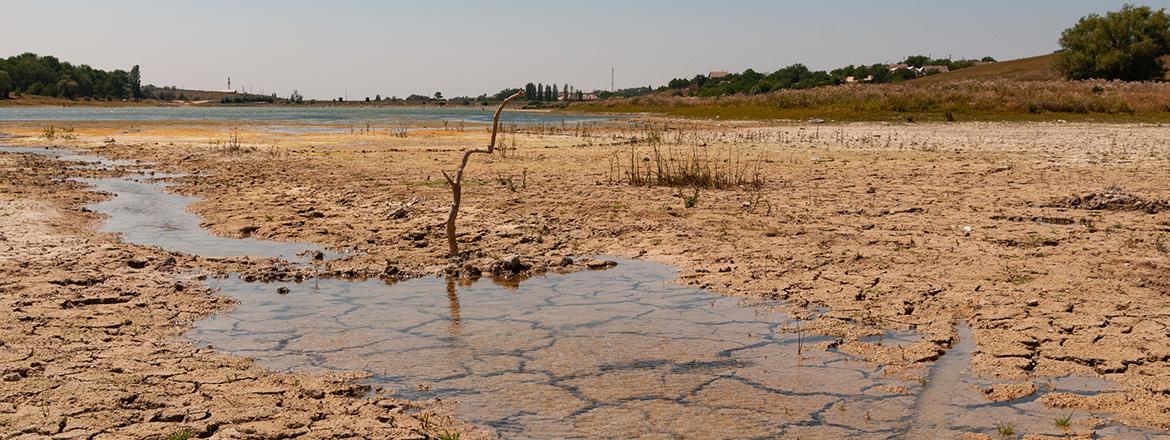
Crop losses from recurring droughts ‘shrinking Poland’s economy and impacting businesses’
A new report has found that lower crop yields significantly affect industries beyond agriculture, including trade and transport.
