


USA - Wild bee decline threatens crop production
22.12.2015 401 views
The first national study to map U.S. wild bees suggests they’re disappearing in many of the country’s most-important farmlands.
If losses of these crucial pollinators continue, the new nationwide assessment indicates that farmers will face increasing costs – and that the problem may even destabilize the nation’s crop production, said Michigan State University’s Rufus Isaacs, co-author and leader of the Integrated Crop Pollination Project, a USDA-funded effort that supported the new research. The findings were published in the current issue of the Proceedings of the National Academy of Sciences.
The research team, led by Insu Koh at the University of Vermont, estimates that wild bee abundance between 2008 and 2013 declined in 23 percent of the contiguous U.S. The study also shows that 39 percent of U.S. croplands that depend on pollinators – from apple orchards to pumpkin patches – face a threatening mismatch between rising demand for pollination and a falling supply of wild bees.
In June of 2014, the White House issued a presidential memorandum warning that “over the past few decades, there has been a significant loss of pollinators, including honey bees, native bees, birds, bats and butterflies.” The memo noted the multibillion dollar contribution of pollinators to the U.S. economy – and called for a national assessment of wild pollinators and their habitats.
Researchers didn’t have a national mapped picture about the status of wild bees and their impacts on pollination – even though each year more than $3 billion of the U.S. agricultural economy depends on the pollination services of native pollinators like wild bees, Koh said.
The new study identifies 139 counties in key agricultural regions of California, the Pacific
Northwest, the upper Midwest and Great Plains, west Texas and the southern Mississippi River valley that have the most worrisome mismatch between falling wild bee supply and rising crop pollination demand. These counties tend to be places that grow specialty crops – such as almonds, blueberries and apples – that are highly dependent on pollinators. Or they are counties that grow less dependent crops – such as soybeans, canola and cotton – in large quantities.
Of particular concern, the study shows that some of the crops most dependent on pollinators – including pumpkins, watermelons, pears, peaches, plums, apples and blueberries – have the strongest pollination mismatch, with a simultaneous drop in wild bee supply and increase in pollination demand.
“By highlighting regions with loss of habitat for wild bees, government agencies and private organizations can focus their efforts at the national, regional and state scales to support these important pollinators for more sustainable agricultural and natural landscapes,” Isaacs said.
The model’s confidence is greatest in agricultural areas with declining bees, matching both the consensus of experts’ opinions and available field data. However, the study also outlines several regions with greater uncertainty about bee populations. This knowledge can direct future research, especially in farming areas where need for pollination is high.
Source - msutoday.msu.edu
EVENTS

ScaleAgData Stakeholder Engagement Event
22.10.2024The ScaleAgData project is pleased to invite you to our second stakeholder event. Building on the discussions and connections formed during our first webinar, this event will focus on fostering collaboration among stakeholders, providing updates on our project’s progress, and outlining future opportunities for engagement.
RISK EVENTS

Moldova - May frosts caused heavy damage to fruit orchards
10.05.2026The first frosty nights of May have significantly worsened estimates of damage to Moldova's fruit sector from spring frosts. According to initial assessments by fruit market operators, between a quarter and a third of the country's total orchard area was seriously affected.
04.06.2026

India - Delhi raises crop damage compensation after 10 years by over 50% to Rs 75,000 per hectare
In a major relief for farmers, the Delhi government has increased compensation for crop loss caused by rain and hailstorms from Rs 20,000 per acre to Rs 75,000 per hectare.
04.06.2026

Why Tech-Driven Agro-Insurance Has Stumbled in Ethiopia
For decades, Ethiopia’s agricultural sector has remained trapped in a dangerous paradox.
04.06.2026
UK - Rural crime cost Wales £2.2m last year despite fall in offences
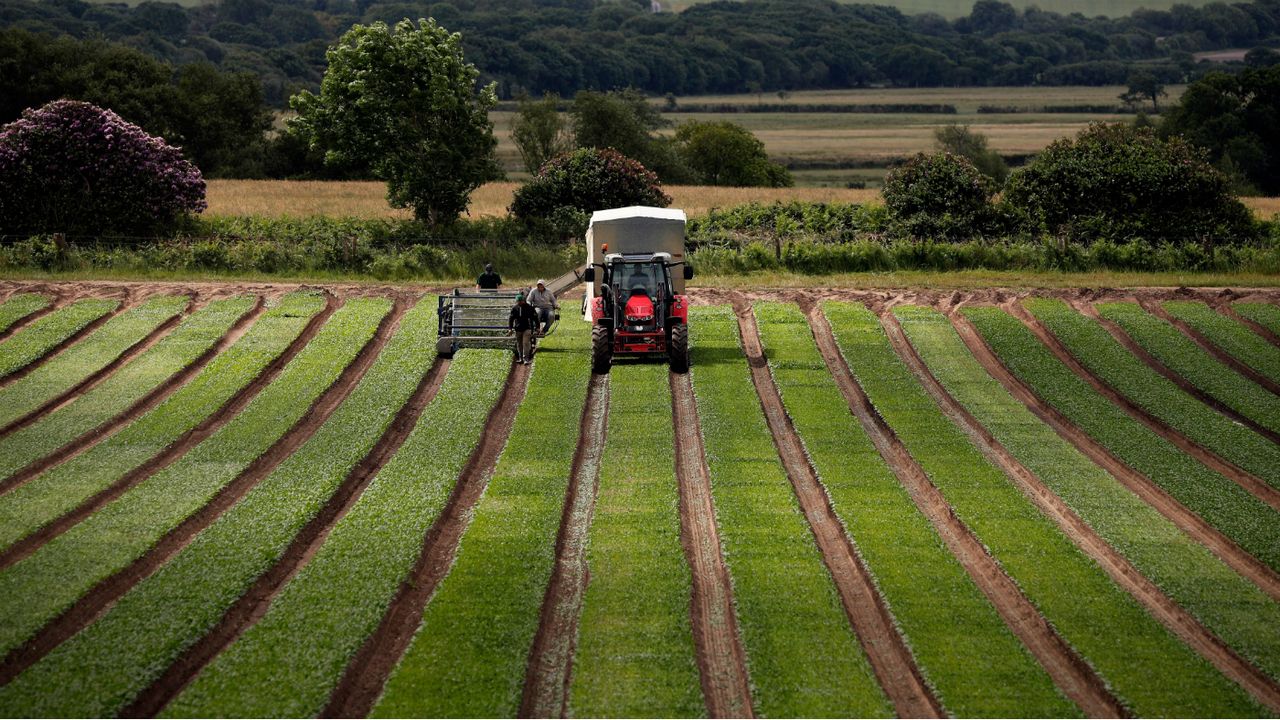
Rural crime cost Wales an estimated £2.2 million last year, with organised criminals continuing to target tractors, livestock and farming equipment despite an overall fall in offences, according to a new report.
04.06.2026

Kenyan Agro-Insurance Startup, Pula Raises US$ 20 Million in Series B Round
Pula, a Kenyan startup that offers insurance to small-scale farmers, aims to serve more than 100 million farmers in Africa after raising US$ 20 million in its Series B round.
04.06.2026
USA - USDA announces $52M to boost public access to private lands for hunting, fishing
The U.S. Department of Agriculture is announcing $52 million to help state and tribal governments encourage private landowners to allow public access to their land for hunting, fishing and other wildlife-dependent recreation through the Voluntary Public Access and Habitat Incentive Program (VPA-HIP).
04.06.2026

Hope Grows in Malawi’s Grain Stores as Farmers Battle Post-Harvest Losses
Some grain rots in poorly ventilated storage. Some is eaten by pests. Some is damaged during drying or transportation before it ever reaches the market.
03.06.2026
Canada - AFSC extends several northern Alberta seeding dates for 2026
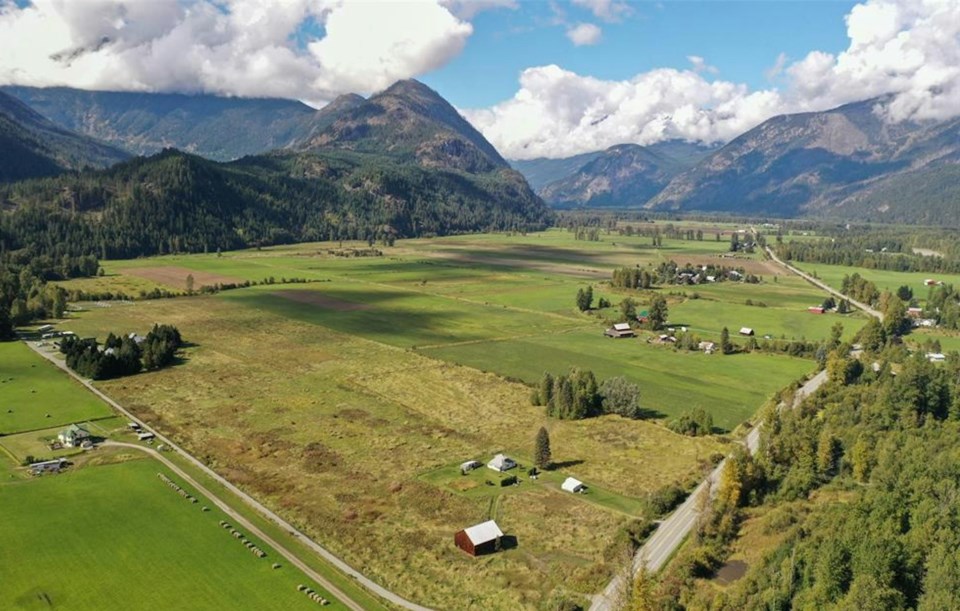
Alberta’s Agriculture Financial Services Corp. (AFSC) is extending the recommended seeding dates in the province’s northeast, northwest and Peace regions for several crops for the 2026 growing season only.
03.06.2026

India - Elephants run amok in Konaje agricultural farm, cause massive crop damage
A herd of elephants, including calves, wreaked havoc on an agricultural farm belonging to Yashodhara Gowda at Pallattadka in Konaje village of Kadaba taluk.
