There Are Things to Consider When Making Soybean Seed Purchases

20.12.2013 231 views

Wisconsin soybean farmers should consider seed genetics, potassium and a pre-emergent weed program when making seed and input purchases for 2014. That's according to Wisconsin State Soybean and Wheat Extension Specialist Shawn Conley, who says the variability in weather can play a major role in determining the level of soybean insect, weed and disease pressure.

"Wisconsin soybean farmers face many unique challenges during the growing season, most notably the impact of the weather on planting, growing and harvest conditions," Conley says. "Making timely decisions during the crop season can be the key to maximizing yields."

He said variety selection can be the most important factor in maximizing soybean yields. Soybean farmers need to compare variety performance results from multiple sources, locations and environments.

"One common mistake can be only looking at local data," said Conley. "Local data, while interesting, only provide a glimpse at how well that soybean variety performed last year in a narrow area. Comparing variety performance over many different environments and factors will offer farmers the best predictive ability for next year's environment."

Conley recommends planting multiple soybean varieties to diversify plant genetics. This may be a good strategy in lowering risks of yield loss due to stress factors. Pay attention to maturity groups because later-maturity group soybeans often lead to increased yield; however, timeliness of harvest and frost must be considered.

Once a group of high-yielding soybean varieties has been selected, the next decision is choosing varieties that meet specific disease, insect and weed resistance/tolerance characteristics keeping specific fields in mind.


Source - http://www.wisconsinagconnection.com/

14.06.2026

Zurich Australia partners with Crop Risk Underwriting

Zurich Australia has partnered with Crop Risk Underwriting (CRU), a specialist crop insurance underwriting agency and part of the 360 Group of Companies, to provide crop insurance in Australia from June 1, 2026.

14.06.2026

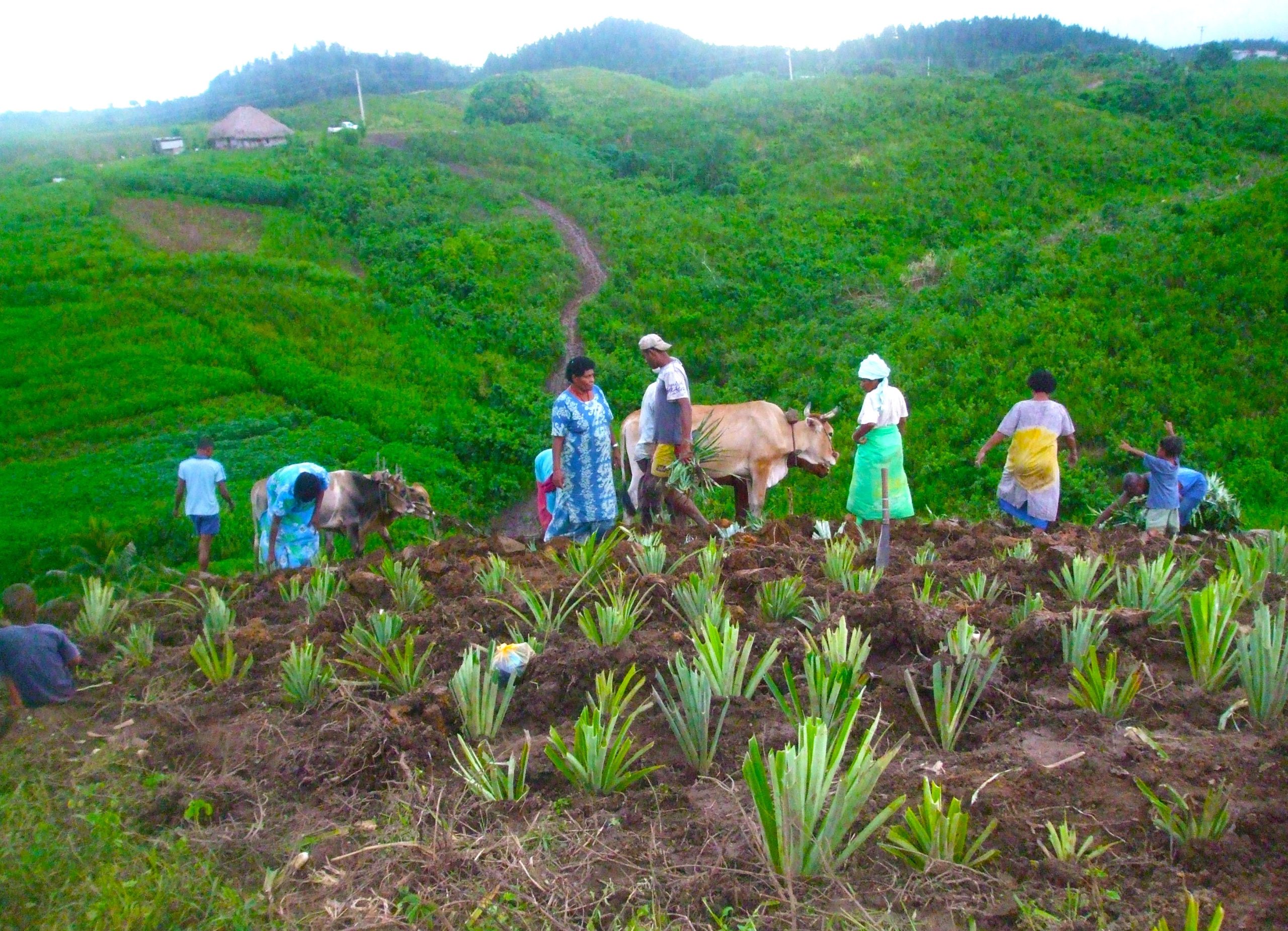
Fiji - Crop cover push: Scheme to help farmers recover faster, says Tunabuna

Over the past 10 years, natural disasters have wreaked havoc through farmlands costing Government more than $700million.

14.06.2026

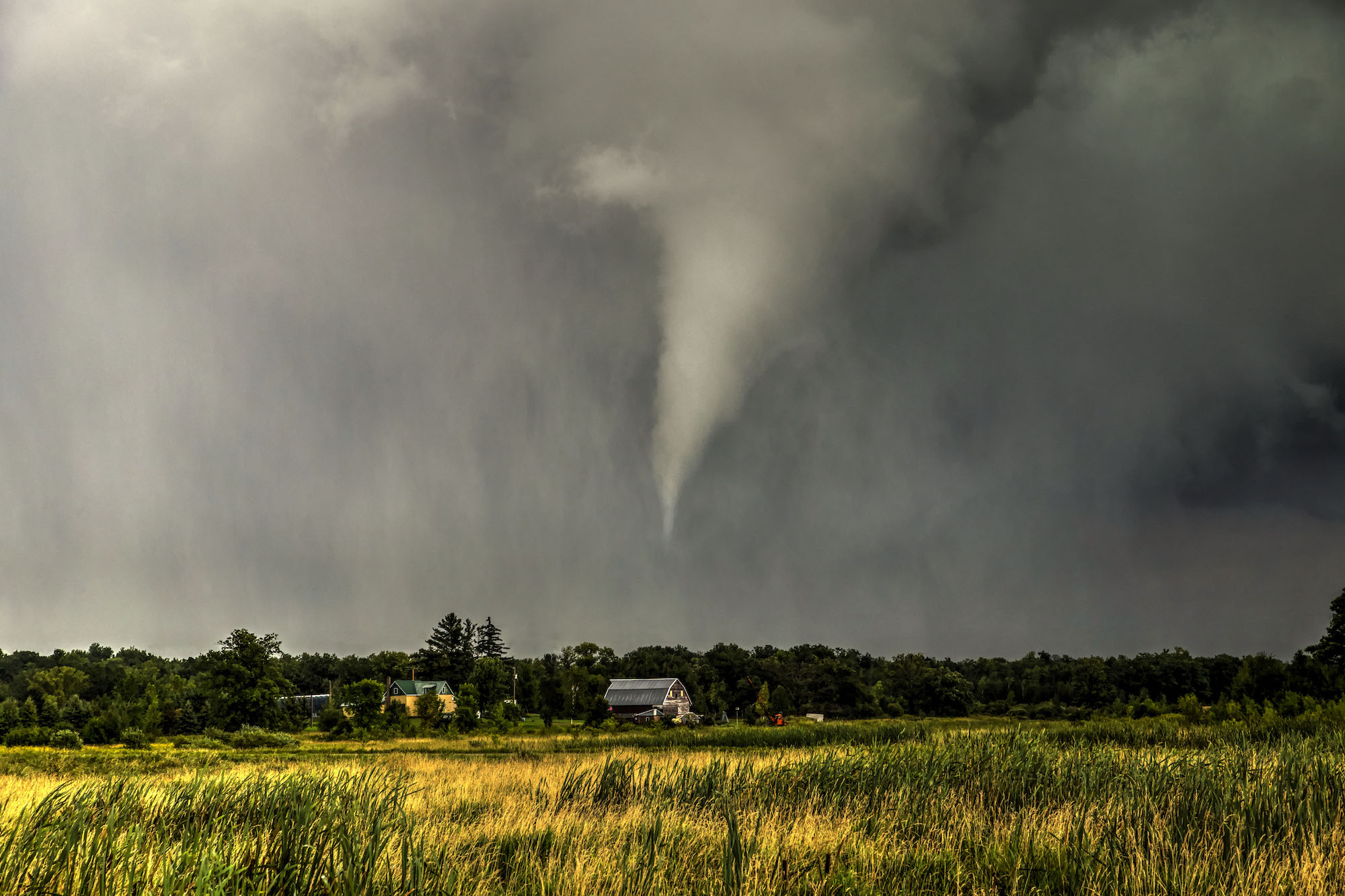
Canada - Tornado warnings and hail put southeast Saskatchewan insurers on alert

A severe weather outbreak across 29 rural municipalities is set to drive a wave of home, auto and crop insurance claims.

14.06.2026

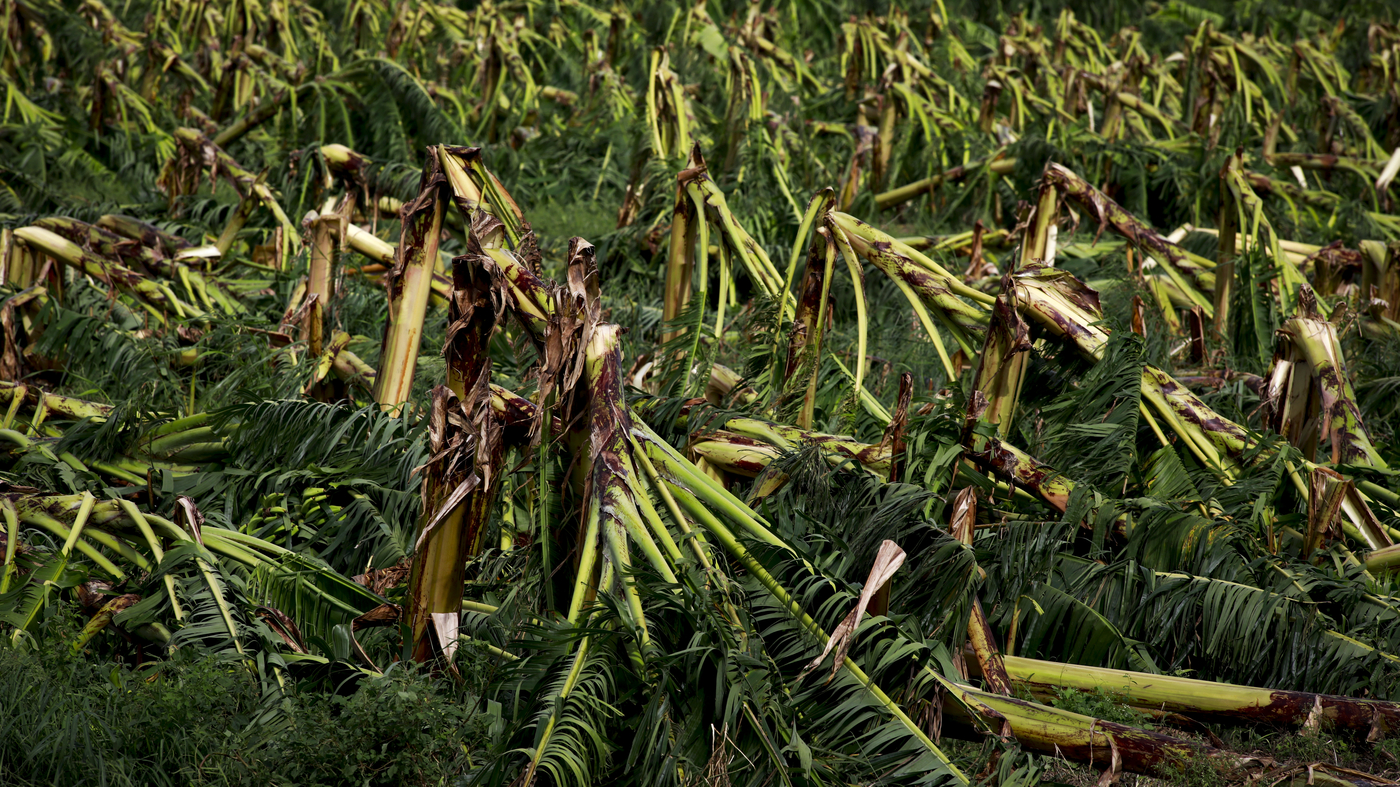
India - Maharashtra storms damage 18,121 hectares of bananas

Unseasonal rainfall, strong winds, and hailstorms have affected crops across more than 61,000 hectares in 27 districts of Maharashtra, India, with banana plantations accounting for a large share of the reported losses. 

14.06.2026

Colombia passes law to track cattle and keep deforestation-linked beef out of supply chains

Colombia has enacted a landmark law requiring the cattle industry to trace livestock and prove beef supply chains are free from deforestation, a measure environmental groups say makes it the first tropical forest country to adopt such a nationwide framework.

14.06.2026

Syngenta eyes deeper market expansion as Bangladesh agriculture embraces digital transformation

Company strengthens support for farmers through digital advisory platforms, crop insurance, mechanisation services, and climate-resilient agriculture initiatives.

04.06.2026

India - Delhi raises crop damage compensation after 10 years by over 50% to Rs 75,000 per hectare

In a major relief for farmers, the Delhi government has increased compensation for crop loss caused by rain and hailstorms from Rs 20,000 per acre to Rs 75,000 per hectare.

04.06.2026

Why Tech-Driven Agro-Insurance Has Stumbled in Ethiopia

For decades, Ethiopia’s agricultural sector has remained trapped in a dangerous paradox.