With about more than 50 per cent sown paddy area affected by the heavy rains that lashed the state in the last few months, the state faces the threat of severe rice shortage and steep rise in the price of rice.
The state had set a target of 147.39 lakh metric tonnes rice production for the year 2013-14, out of which 86.80 lakh metric tonnes has been set for kharif (for 2013) and 60.59 lakh metric tonnes for rabi.
According to the figures available with the state government, crops on nearly 11.37 lakh hectares of the total 39.2 lakh hectares were destroyed out of which paddy accounted for 4.99 lakh hectares of the destroyed crops. As a result, rice production in the state is set to drop drastically.
With poor kharif season the state government is banking heavily on the rabi season to make up for the shortfall.
“As the state had received good rains and with all the rivers and tanks full we are expecting a bumper crop in the rabi. Though we have lost large areas of paddy in the kharif still we are hopeful that there may not be much shortage of rice in the state”, says deputy director of agriculture Vijaya Gowri.
The domestic consumption in the state is met mostly by the superfine varieties grown during the kharif season. The common varieties grown during the rabi season have no local market and thus they constitute the surplus.
Officials are worried as the total rice production in 2012-13 was only 107.63 lakh tonnes as against the target of 135.58 lakh tones and with shortfall in the kharif they are now worried as to what could be in store in the coming days, both in terms of shortfall and rise in prices of rice at the retail market.
Rice prices were expected to drop in the coming months due to the harvest of the main crop, but local traders in the state say there would be no respite from high prices due to reduced supplies.
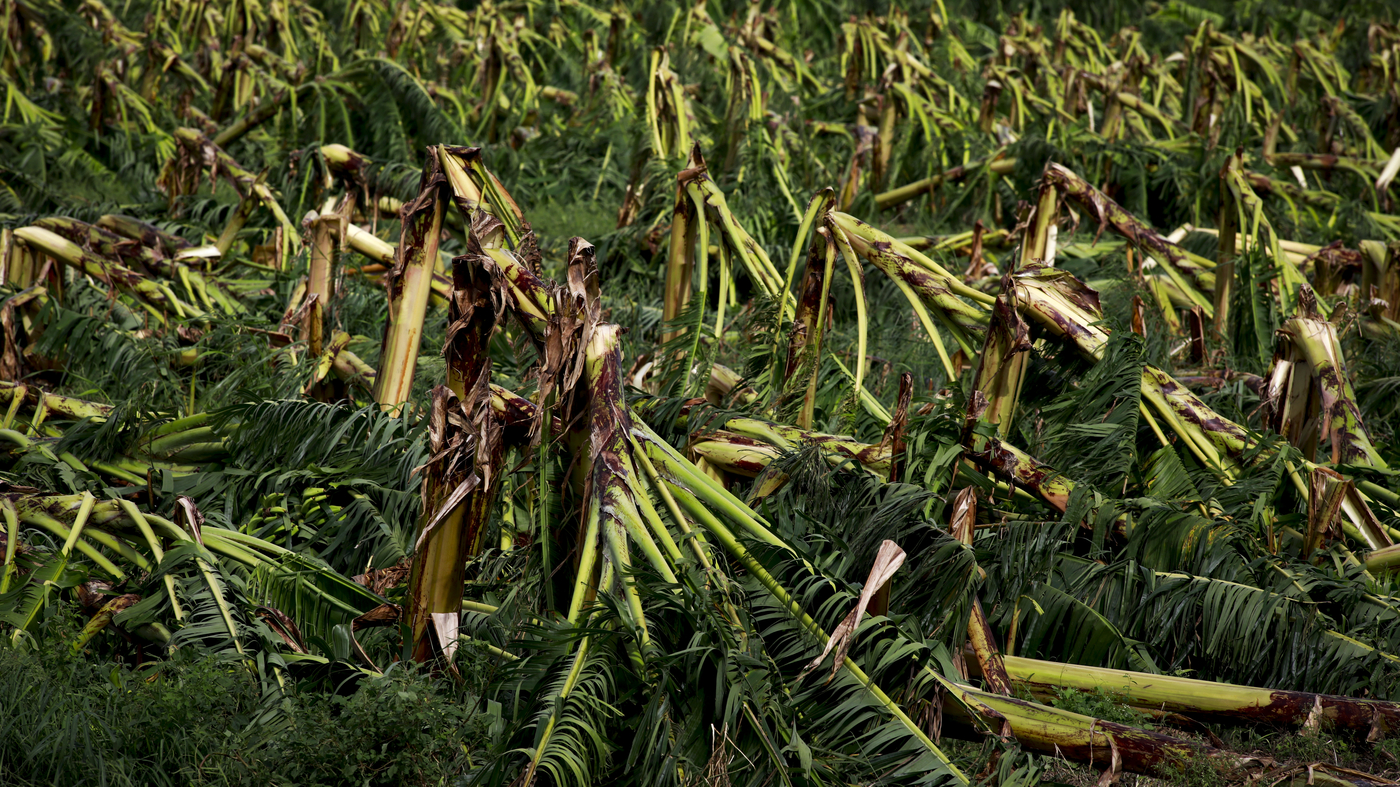
Cyclone ‘Helen’ alone had damaged ready-to-harvest rice crop in an estimated 460,000 hectares in the state, triggering speculations of high rice prices in the coming months.
Rise in domestic rice prices over the last few months has been a major concern for the government and with the extent of damage due to heavy rains yet to be full ascertained the officials fear that the loss could be more than what it is being estimated.
According to officials with the general elections due in next five months, the government may liquidate its ‘more than sufficient rice stocks’ to contain any further increase in domestic prices. ‘’Assuming normal weather conditions, higher rabi rice production is likely to partially offset the recent crop loss,” an official opined.
The civil supplies department officials also expressed fears that the shortfall could lead to higher food inflation.
“The total foodgrain production has been dwindling since 2008. From above 200 lakh tones, the total production came down to 182.82 lakh tonnes last year. This year’s production will further come down to about 170 lakh tonnes as most of the crops were badly affected by the cyclone and heavy rains,” said a senior government official.
He further said that the rice producers had anticipated a bountiful rice harvest this year after monsoon rains arrived earlier than usual. But the cyclone--which buffeted the eastern coast in mid-October destroyed up to half of the crop in the state.
Andhra Pradesh is a key rice producing state in India and accounts for around 10% of India’s total annual rice production.
As many 14 districts of the state fall under high productivity group, that is, yield more than 2500 kg/ha. These 14 districts together accounted for 32.56 lakh hectares.
The main rice variety consumed by the people of the state are Sona Masuri, Samba Masuri, BPT 5204, HMT, or Jeela karra masuri is mainly cultivated in Guntur, Kurnool, Mahaboobnagar, Nizamabad, Nellore, Warangal and West Godavari districts of the state. Best quality Sona Masuri rice can be found in Kurnool, Warangal, Nellore and Godavari districts.
According to the estimates, the total demand for rice in the state has increased from 9.3 million tonnes in 1993-94 to 10.7 million tonnes in 2010-11.
Source - http://www.newindianexpress.com/