M.S. Swaminathan, a cult figure in India’s agriculture science, here on Monday called for increase in food production by practising sustainable agriculture.
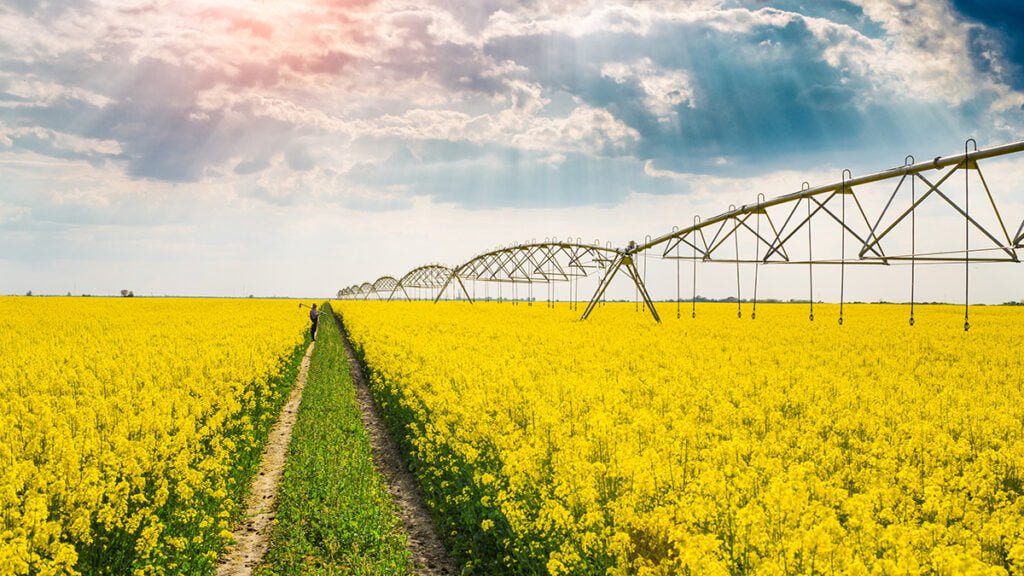
Addressing Odisha Environment Congress 2013, which got underway here, Dr. Swaminathan said, “agriculture is called applied ecology because it is practised using land, water, climate and various biodiversities. If farm ecology and farm economics goes wrong, nothing else would go right in agriculture.”
He said,“we have no time to relax on agriculture production front. We have made a legal commitment for providing food under Right To Food (RTF) like Right To Information. In RTI, files are important and in RTF, farmers are important. Agriculture is a highly risky profession. Soil is going out of agriculture. Water is becoming scarce. We have a lot of challenges to address.”
Green revolution
“Green revolution has some repercussion like over use of pesticide. Now focus should be given on continuous improvement of productivity without harming ecology. That can be done through organic farming or green agriculture,” Dr. Swaminathan said, emphasising on ‘ever’ green revolution.
Inaugurating the Odisha Environment Congress, Chief Minister Naveen Patnaik said, “increasing economic activities lead to environmental degradation. We have been making efforts to increase economic activities for providing basic needs and for better standard of living without causing environmental degradation.”
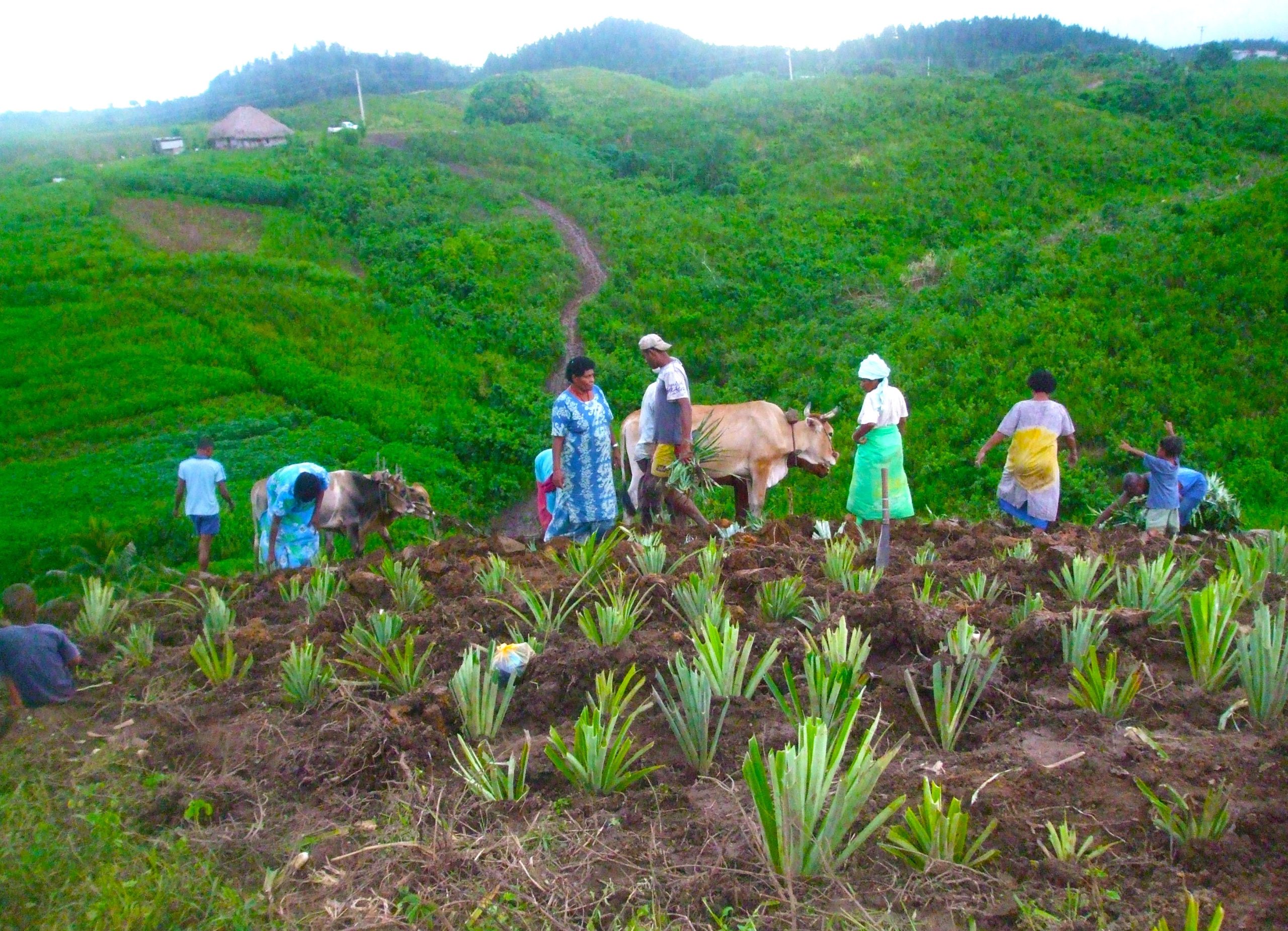
“It is extremely important for our State where about majority of farmers are small and marginal. While international negotiations on climate change are yet to conclude, we can initiate advance action for mitigation of the impact of changing climatic conditions on our farmers,” Mr. Patnaik said.
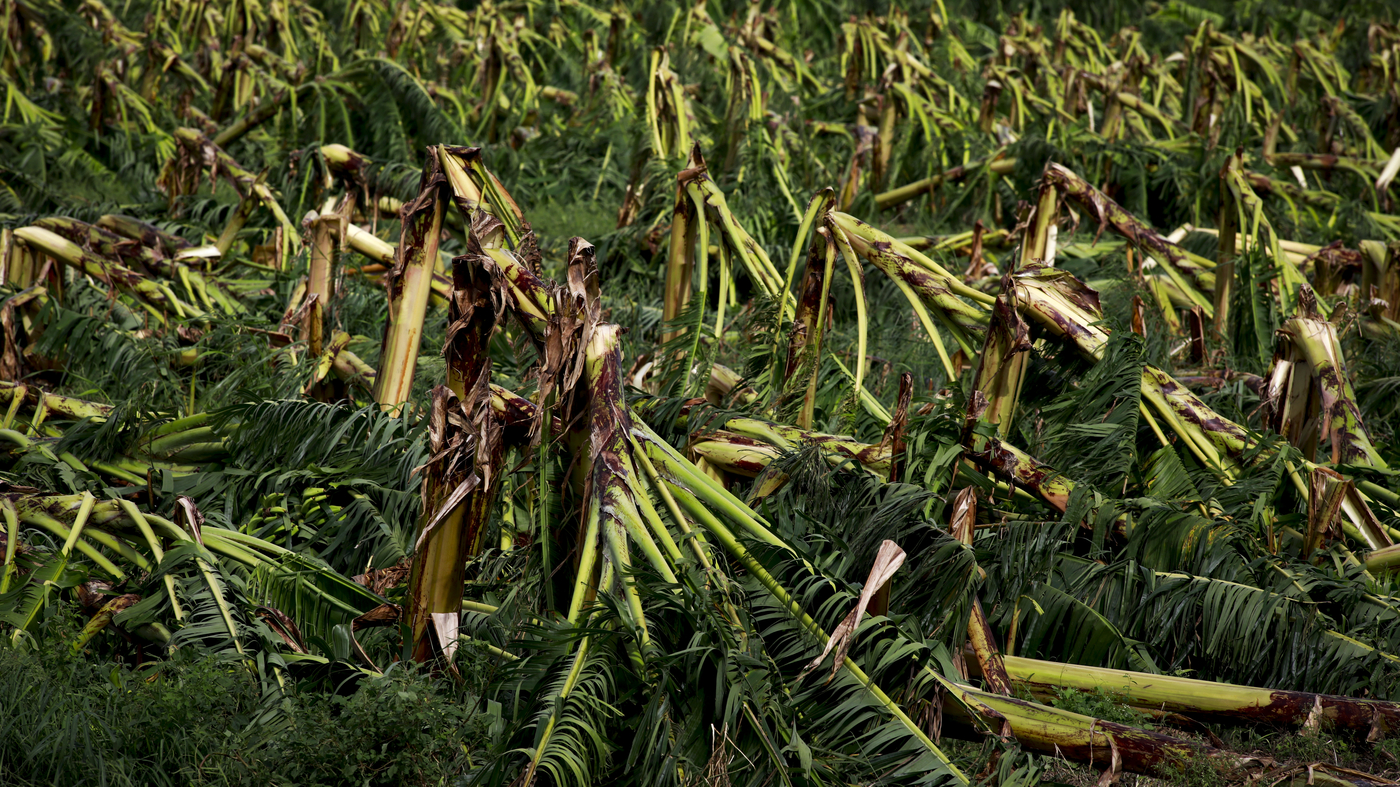
“In the changed climatic situation there may be change in frequency and intensity of rainfall and this might impact seed germination, disease and insect infection. It is therefore a challenge for our scientific community to develop drought and pest resistant crop varieties, alternate cropping patterns, improved methods of soil and water conservation and capacity building of our farmers,” Chief Minister said.
Source - http://www.thehindu.com/