USA - Technology Needed for Poor Farmers

26.12.2013 194 views

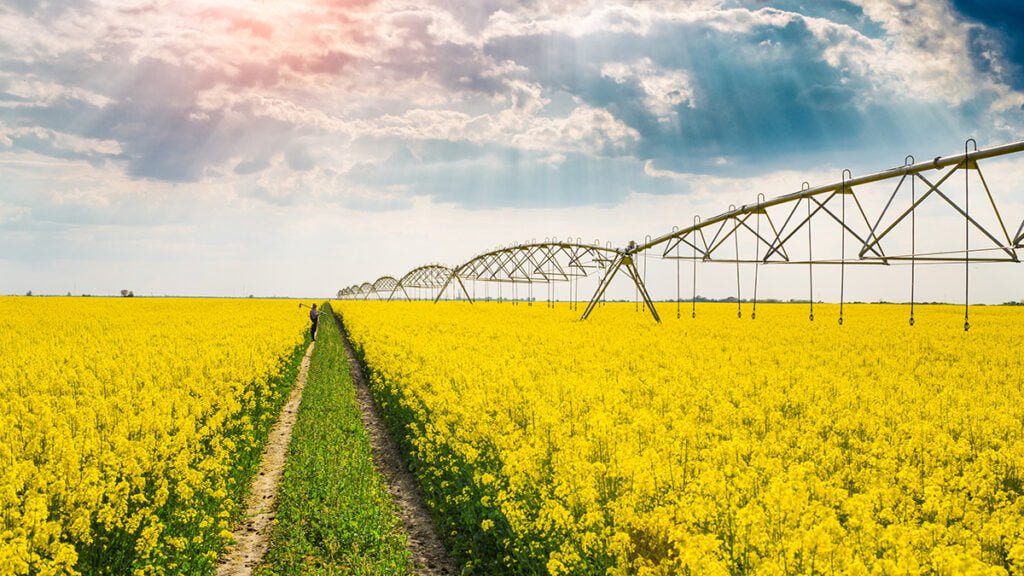
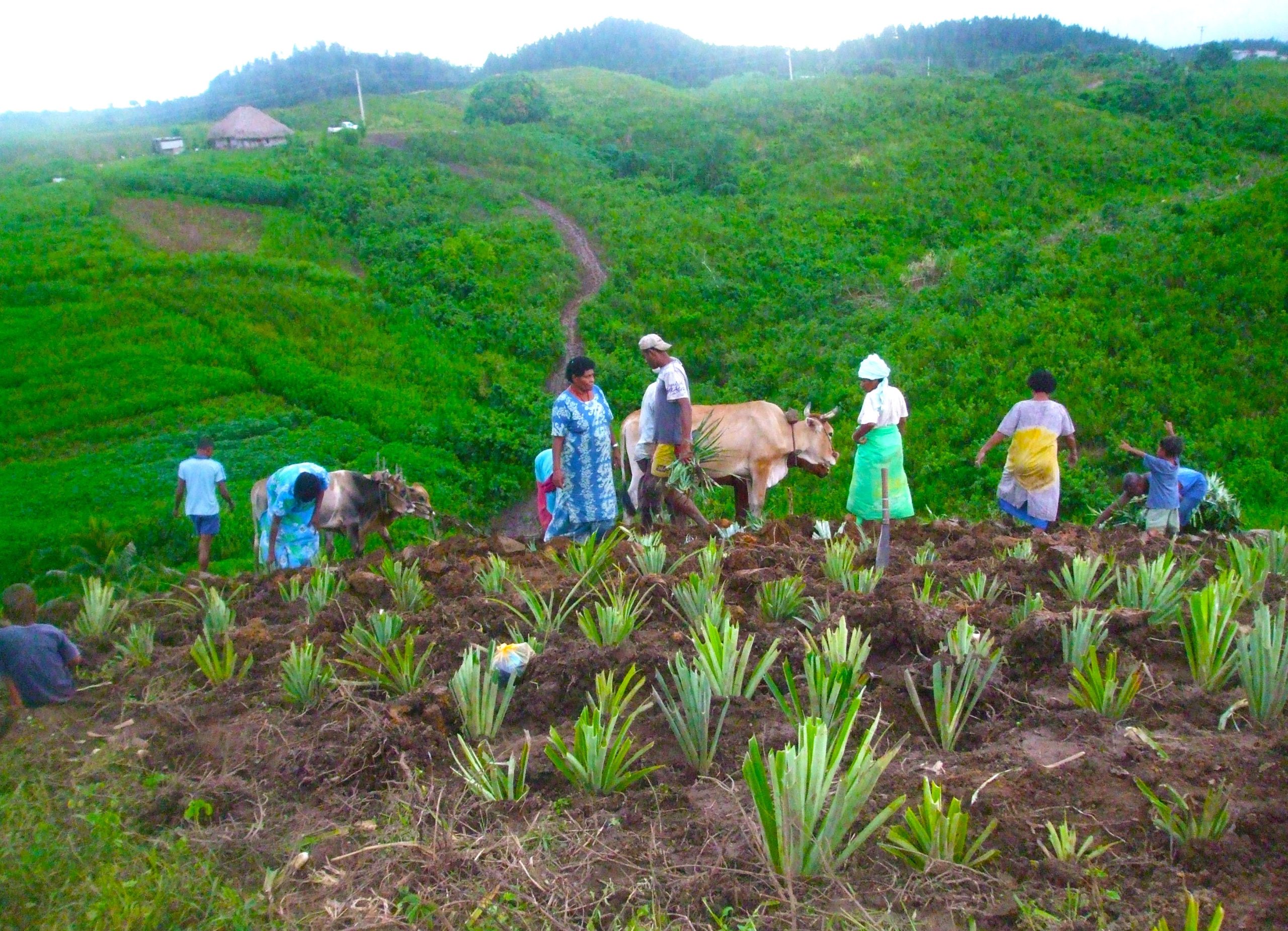
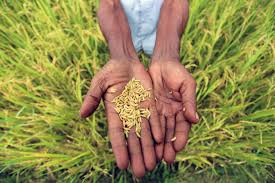
Farmers in the United States are able to employ the world’s best technologies to make them the most productive agricultural producers in the world. However, small farmers in poor countries are also in need of technologies that can help them be more successful. Pierre Ferrari is the CEO of Heifer Project International.

“What is the appropriate technology for farmers in the mountains of Nepal or the semi-desert areas of Registan? And there is a technology that’s appropriate, and we need to make the investments to find the right technologies for those farmers as opposed to the right technologies for soybean farmers in Brazil. An enormous amount of research has been done for the soy farmer in Brazil.”

Ferrari contends that very little has been done in the way of developing technologies for small farmers in poor countries.

“They need technology just as much. In fact, they need it more because they live in areas that are so fragile and so complicated. Soil conditions and climatic microclimate conditions change within the space of twenty miles in these places. The soil quality in Africa on the average is not good. How do we do it? What’s the technology to actually improve productivity out of these very poor soils?”

Craig Nessler is the director of Texas A&M Agrilife Research maintains that there are places in Texas that simulate climates of many locations around the world.

“What do we want to do? Do we want to help people feed themselves or do we want to send troops into an area where people are starving and fighting with one another? I submit that agriculture is a good method for world peace, and that’s why we work in various countries to help them to help themselves.”

Genetics will play a big role in solving these problems.

“What we’re planning on doing, for example with water use efficiency, that is to make plants more drought resistant, is to crosswalk. We intend to go from one crop to another crop to another crop, because the genes that are involved in water use are going to likely be similar in most of the plants.”

Source - http://www.kbtx.com/

14.06.2026

Zurich Australia partners with Crop Risk Underwriting

Zurich Australia has partnered with Crop Risk Underwriting (CRU), a specialist crop insurance underwriting agency and part of the 360 Group of Companies, to provide crop insurance in Australia from June 1, 2026.

14.06.2026

Fiji - Crop cover push: Scheme to help farmers recover faster, says Tunabuna

Over the past 10 years, natural disasters have wreaked havoc through farmlands costing Government more than $700million.

14.06.2026

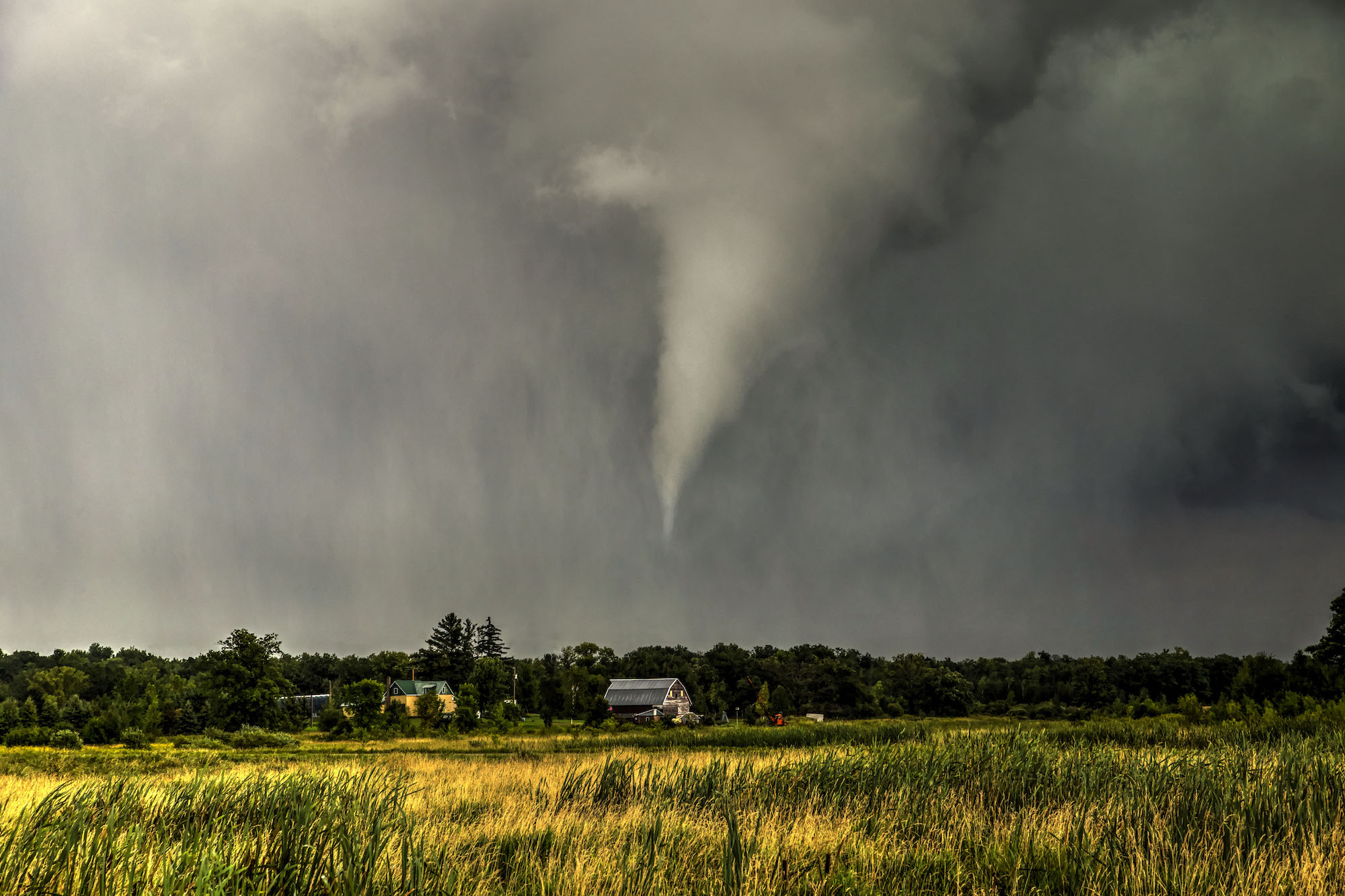
Canada - Tornado warnings and hail put southeast Saskatchewan insurers on alert

A severe weather outbreak across 29 rural municipalities is set to drive a wave of home, auto and crop insurance claims.

14.06.2026

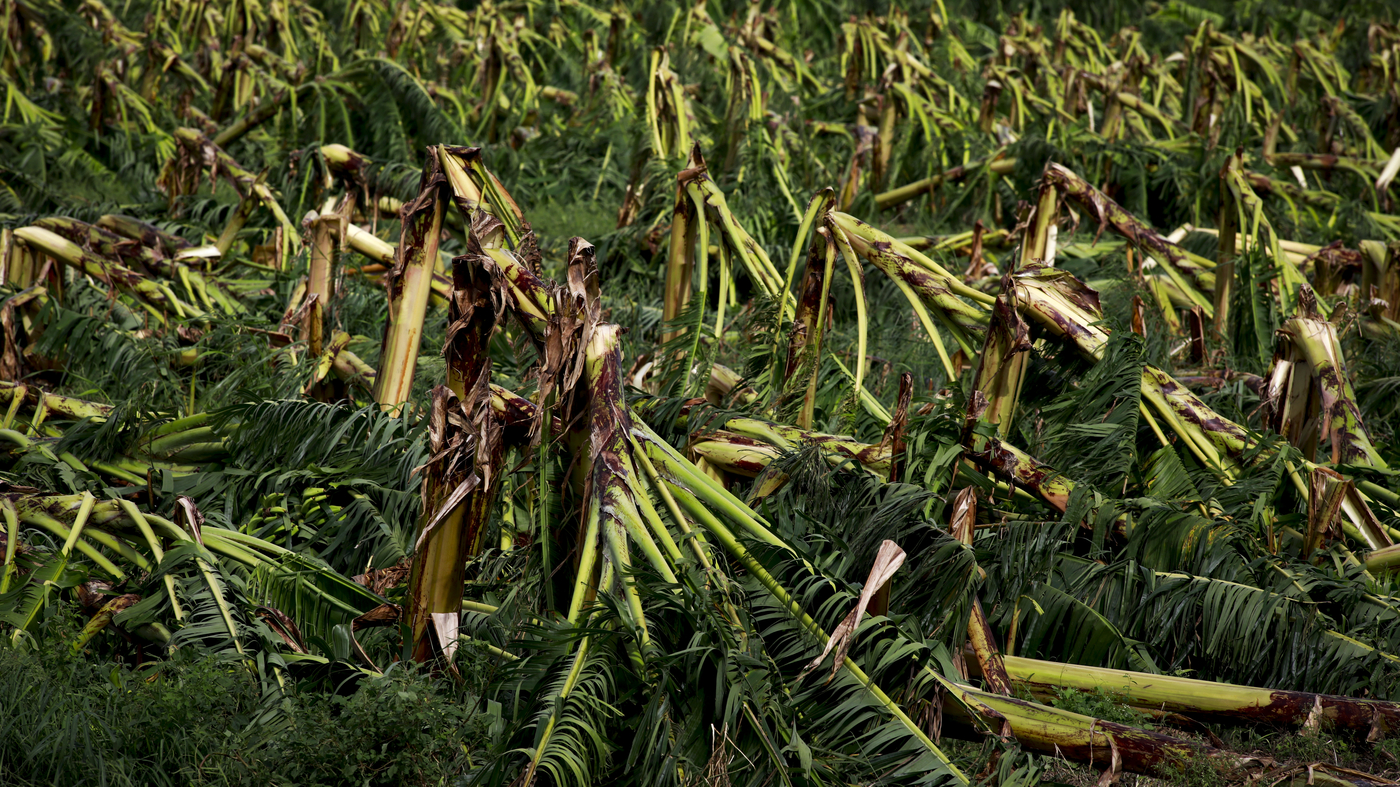
India - Maharashtra storms damage 18,121 hectares of bananas

Unseasonal rainfall, strong winds, and hailstorms have affected crops across more than 61,000 hectares in 27 districts of Maharashtra, India, with banana plantations accounting for a large share of the reported losses. 

14.06.2026

Colombia passes law to track cattle and keep deforestation-linked beef out of supply chains

Colombia has enacted a landmark law requiring the cattle industry to trace livestock and prove beef supply chains are free from deforestation, a measure environmental groups say makes it the first tropical forest country to adopt such a nationwide framework.

14.06.2026

Syngenta eyes deeper market expansion as Bangladesh agriculture embraces digital transformation

Company strengthens support for farmers through digital advisory platforms, crop insurance, mechanisation services, and climate-resilient agriculture initiatives.

04.06.2026

India - Delhi raises crop damage compensation after 10 years by over 50% to Rs 75,000 per hectare

In a major relief for farmers, the Delhi government has increased compensation for crop loss caused by rain and hailstorms from Rs 20,000 per acre to Rs 75,000 per hectare.

04.06.2026

Why Tech-Driven Agro-Insurance Has Stumbled in Ethiopia

For decades, Ethiopia’s agricultural sector has remained trapped in a dangerous paradox.