The agriculture sector bounced back in 2013 after a drought year as the country is set to harvest record foodgrain production of 260 million tonnes because of good monsoons and achieve 5 per cent growth.
Passage of the landmark food security law in Parliament and the decontrol of sugar sector were two major highlights of the year. However, the recommendation of the Supreme Court appointed committee to put a moratorium on the field trials of GM food crops was seen as a big setback.
The year began on a good note with government announcing in Budget a Rs 1.25 lakh crore increase in farm credit target to Rs 7 lakh crore - 22 per cent hike in the Agriculture Ministry's fund allocation for this fiscal. A sum of Rs 500 crore was provided for crop diversification in states like Punjab and Haryana, which are facing stagnation in crop yield.
Then came a slight disappointment when government released the production data of last year showing decline in foodgrains output because of drought in several states.
Silver lining was that the foodgrains production fell by just 1.5 per cent to 255.36 million tonnes in 2012-13 crop year ended June from previous year's record 259.29 million tonne.
However, good monsoon this year turned things around for the farm sector, providing relief to the government which is banking on farm sector for revival of overall economic growth.
Foodgrains output in Kharif (summer sown) season is higher than last year and the bountiful rains have raised hopes that production of rabi (winter sown) crops too would be better.
"Thanks to very good monsoon, we are likely to have record fruits and vegetables production at 268 million tonne this year (2013-14) higher than foodgrains production of 260 million tonne. For the first time, fruits and veggies output is going to cross grain output," Commission for Agriculture Costs and Prices (CACP) Chairman Ashok Gulati said.
Gulati noted that agriculture growth is likely to be over 5 per cent in 2013-14 from mere 1.9 per cent last year.
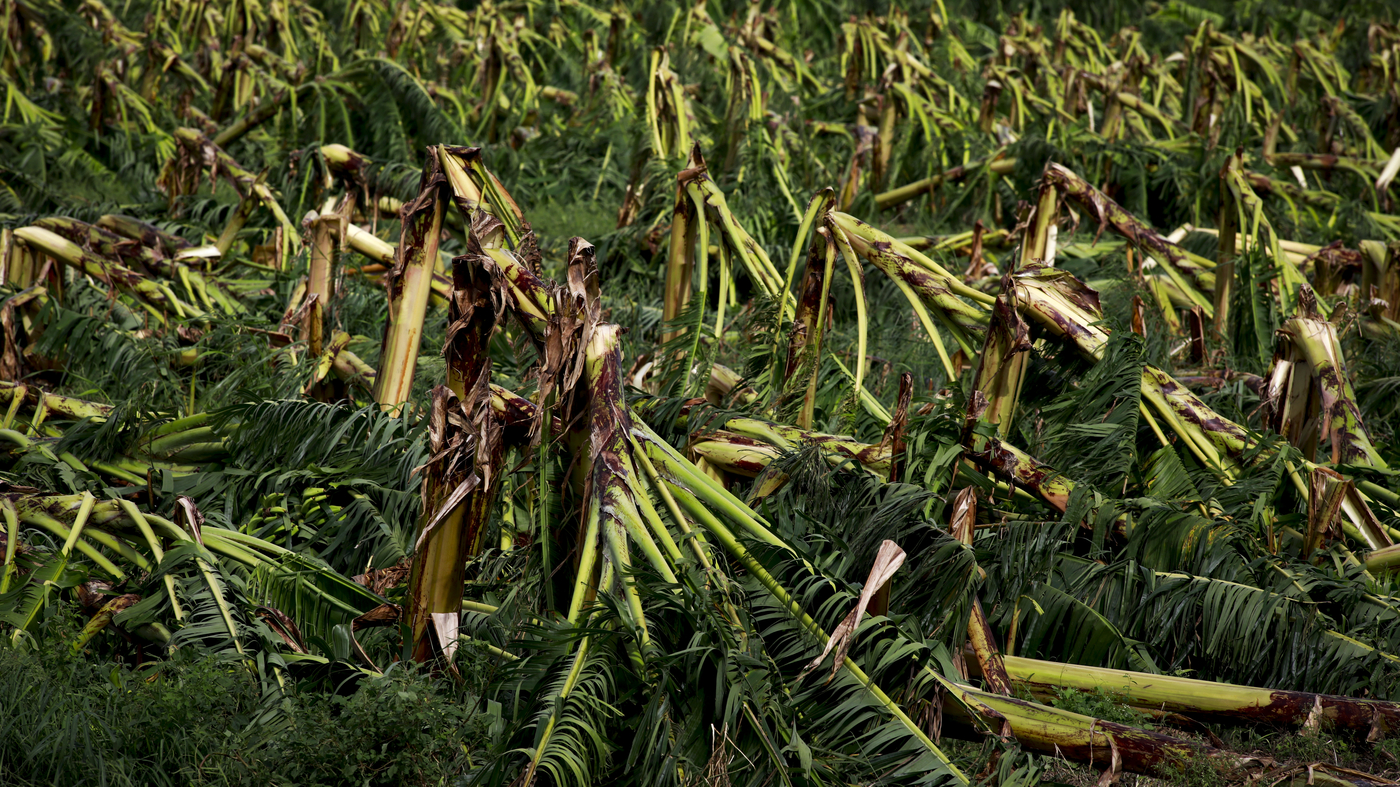
Despite estimates of record horticulture production, the prices of vegetables like onions, potatoes and tomatoes went through the roof as excess and prolonged rains damaged crops, delayed harvesting and disrupted supply chain.
Though rates have eased now, skyrocketing prices did have a bearing on consumers as well as the Congress Party which lost assembly elections in four states.
Enthused by sowing data, soil moisture condition and full reservoirs, Agriculture Minister Sharad Pawar recently said: "This year, in fact, we will break the last times record. I am confident if nature continues to be cooperative, we will break last time's record."
With overflowing grain in FCI godowns and estimates of a bumper production in the current 2013-14 crop year, the UPA government fulfilled its election promise of giving a legal right over highly subsidised foodgrains when in September the Parliament passed the National Food Security Law.
Under the law, 82 crore people would get 5kg of foodgrains per month at Rs 1-3 per kg costing the central exchequer about Rs 1,25,000 crore annually as food subsidy, which was even questioned by the World Trade Organisation (WTO).
But India managed to convince global leaders at WTO meet about the importance of this food law. After hard negotiation, WTO agreed to allow countries to provide subsidy on staple food crops without any threat of punitive action.
Notwithstanding the success at WTO, the government would have to focus on raising farm production and productivity for successful implementation of food law as emphasised by Pawar.
He warned that the world’s largest social welfare scheme should be 'enshrined' on strong domestic production and not on imported grains.
Given this context, Pawar consistently pitched for adoption of genetically modified (GM) crops in India, even as the Supreme Court-appointed panel had in July recommended moratorium on field trials for GM food crops in the country.
However, one member of the committee - R S Paroda, former DG of the Indian Council of Agricultural Research, submitted a separate report opposing the moratorium. A final decision on this issue is expected only next year.
Although there are concerns for sustaining crop production, CACP chief Gulati feels that India's agriculture is on a "safe wicket" for next five years as terms of trade have changed in favour of agriculture with private investment in the sector rising.
Source - http://news.outlookindia.com/