As of the first week of December 2013, Congress has made little visible progress toward reconciling two different visions of the farm bill.
The Senate passed a traditional all-encompassing farm bill while the House chose to split the farm and nutrition legislation into two different bills in order to impose significant cuts in the Supplemental Nutrition Assistance Program (SNAP, often referred to by its older name: food stamps) separate from must-pass farm legislation.
But one thing is certain: the current crop/revenue insurance program will continue to be viewed as agriculture’s primary safety net.
Providing support for this sense of inevitability, Thomas Zacharias, president of National Crop Insurance Services (NCIS), and Keith Collins, retired chief economist of the U.S. Department of Agriculture and an economic and policy advisor to NCIS, wrote an article for Choices: The magazine of food, farm, and resource issues, a publication of the Agricultural and Applied Economics Association, titled “Ten considerations regarding the role of crop insurance in the agricultural safety net.” As they write, “in this article we offer a within-the-industry perspective on the [crop insurance] program status and key issues.”
Zacharias and Collins pose their considerations in the form of 10 questions, many of which we believe provide a rationale, more for farm policy in general, than for crop insurance in particular. Their first question: “Is there a public interest in a resilient, financially sustainable and competitive industry that produces the nation’s food and is subject to natural disasters and other shocks?”
The public definitely has a vested interest in supporting U.S. agriculture’s ability to provide a reliable supply of food. It’s the throwing “other shocks” in with “natural disasters” part that we question, since multiple years of devastatingly low prices presumably would be just an “other shock.”
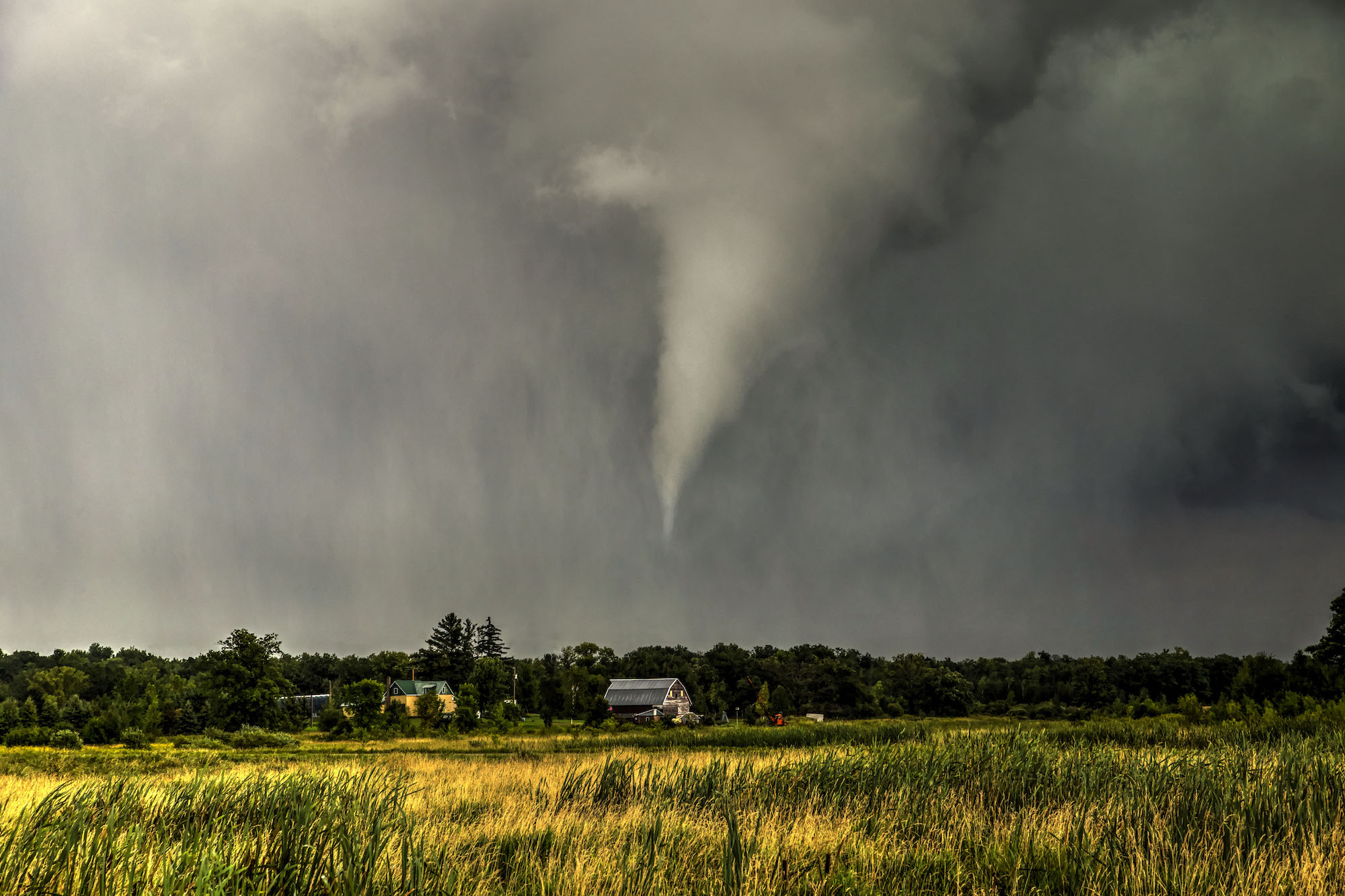
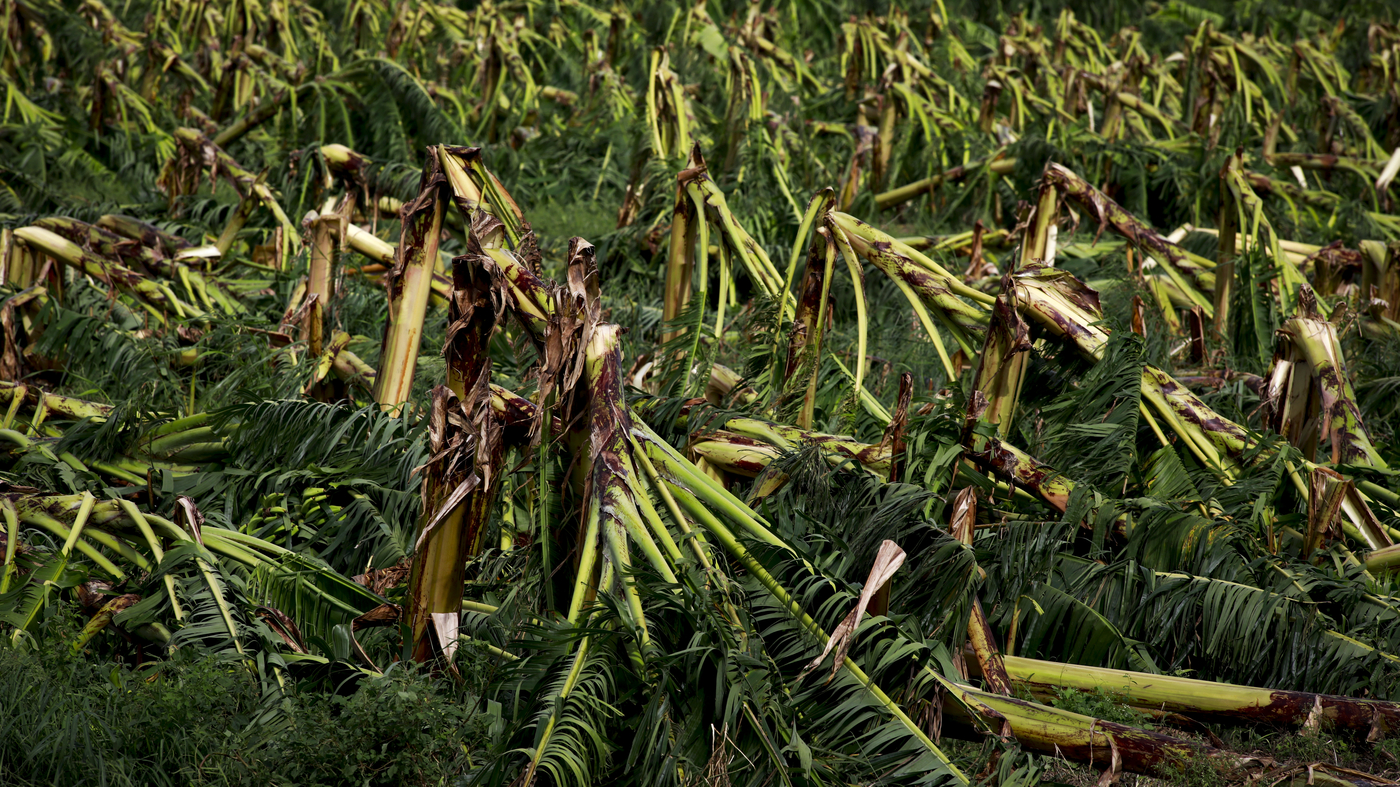
Crop insurance is well suited to deal with the natural disasters like drought, flood, and untimely heat during critical periods of crop development, as well as late and early frosts. In fact, crop insurance is far superior to the ad hoc disaster payments that Congress used to use to compensate farmers for the financial losses caused by such events. With crop insurance, protection does not depend on the timing of Congressional action or the extent of the disaster. Rather it provides immediate compensation as well as protection even if the disaster is confined to a small area and it tends to not make payments to farmers who are geographically included but happened to realize no losses.
The reason crop insurance is an appropriate tool to deal with those types of agricultural losses – that is losses resulting from drought, flood, heat, and other adverse weather events – has to do with the nature of these events. They tend to be relatively geographically random and insurance works best when the risks are random.
That is why standard property insurance policies exclude flood coverage. Flood damage is not randomly distributed. It generally occurs to properties in shoreline and flood plain areas and providing coverage would make property insurance policies prohibitively expensive, especially for people living on high ground.
That is all fine and good when crop insurance only insures against crop failures, which in itself is not problem free, but when crop insurance becomes crop revenue insurance, the price component of the insured revenue affects all production simultaneously, not just a random portion. And historically, there is a distinct tendency for extended periods of low prices, so low-price years tend to follow one another – non-randomness across years as well as production units.
And while during those extended periods of low prices the public has an interest in agricultural policies that enable farmers to remain on the farm, it is during those times that revenue insurance is of least value. Even with good yields revenue insurance could cover a declining portion of non-land production costs when prices are low for several years.
By including revenue as a part of the design of the crop insurance program, the public ends up providing farmers with significant benefits during high-price times (like the last few years), even providing guarantees above the total cost of production, while failing to provide a safety net when farmers need help the most.
Zacharias and Collins admit as much when they write, “… the risk of multi-year price declines is not well accommodated in the current crop insurance program.
To us farm legislation should help farmers when they need it and stay out of the way when they don’t. Target price/deficiency payment programs provide one way to meter help to crop farmers based on the degree of price and income problems.
This can be expensive since a deficiency payment program does not use the power of the market to move price toward its theoretical cost-based long-run equilibrium. Rather, when prices are below the target price, it makes a payment on most-to-all of the crop’s production. It would be much cheaper and less disequilibrating domestically and internationally to divert a small share of production and allow the market to work.
Farmers need protection against random disasters that reduce yield and traditional crop insurance can provide that protection. But yield-based crop insurance needs to be coupled with a program that can adequately deal with systemic price risk.
Such a program could be a market-driven inventory system (MDIS) that would take a fraction of production off of the market when prices are low, thus raising prices and stabilizing farm income. The cost of the program would only include the portion of the crop taken off the market instead of providing an indemnity for every bushel, pound, or bale that is produced as would happen under a target price program.
Rather than seeing crop insurance as the “primary component of the farm safety net,” it makes more sense to us to use crop insurance where it works best, insuring crops against random events, and using an inventory management program like MDIS to handle the systemic risk.
That way both farmers and the public get the best of both worlds at minimal cost: ensuring the public of a reliable supply of food at reasonable prices, while addressing farmers’ random (yield) and systemic (price) risks.
Source - http://www.minnesotafarmguide.com/