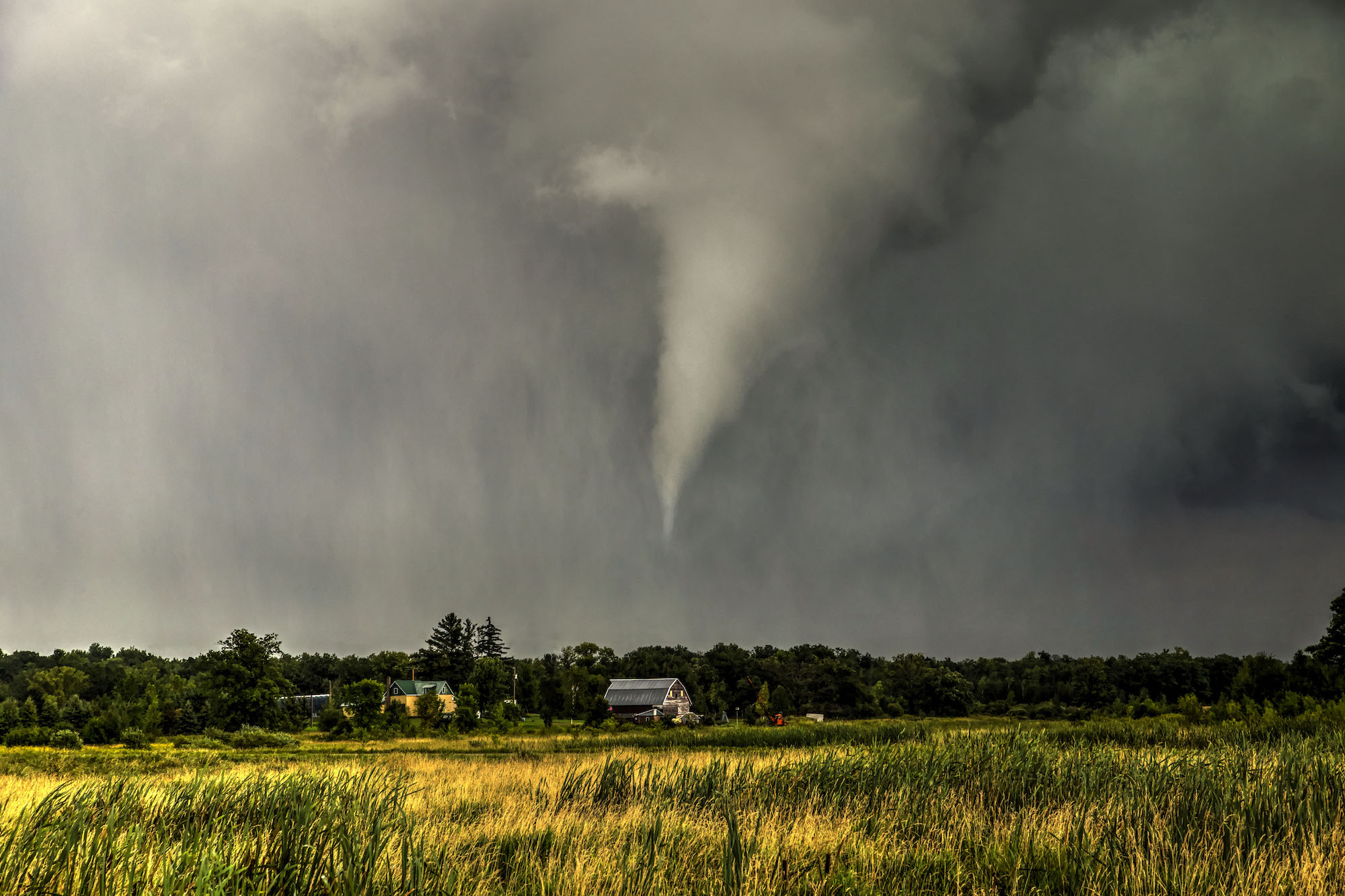
What’s the weather going to be like today? For most of us the answer may mean putting on a jacket, grabbing an umbrella, or bundling up the kids for the school bus stop. But for a farmer and rancher, the answer can have a significant impact on their very economic well-being.
2013 showed just how weather can affect agriculture. The year began with a continuation of the severe drought of 2012. Below average snowpack in the mountains pointed to another dry year. A series of April snowstorms dumped heavy snow in the high country, elevating snow pack averages in the central and northern mountains. This brought renewed hope for many producers as the late storms added water to reservoirs, rivers, and irrigation ditches.
While snow brought some relief, a late freeze in Western Colorado damaged fruit and vegetable crops. Many growers of Palisade peaches suffered significant losses, reducing yields and the number of peaches available in retail stores and farm stands.
Conditions in Southeast Colorado continued to deteriorate, with hot, dry winds whipping up dustbowl like conditions. And in South Fork, a raging wildfire created problems for cattlemen who had moved their cattle into summer pastures threatened by the fast moving fire.
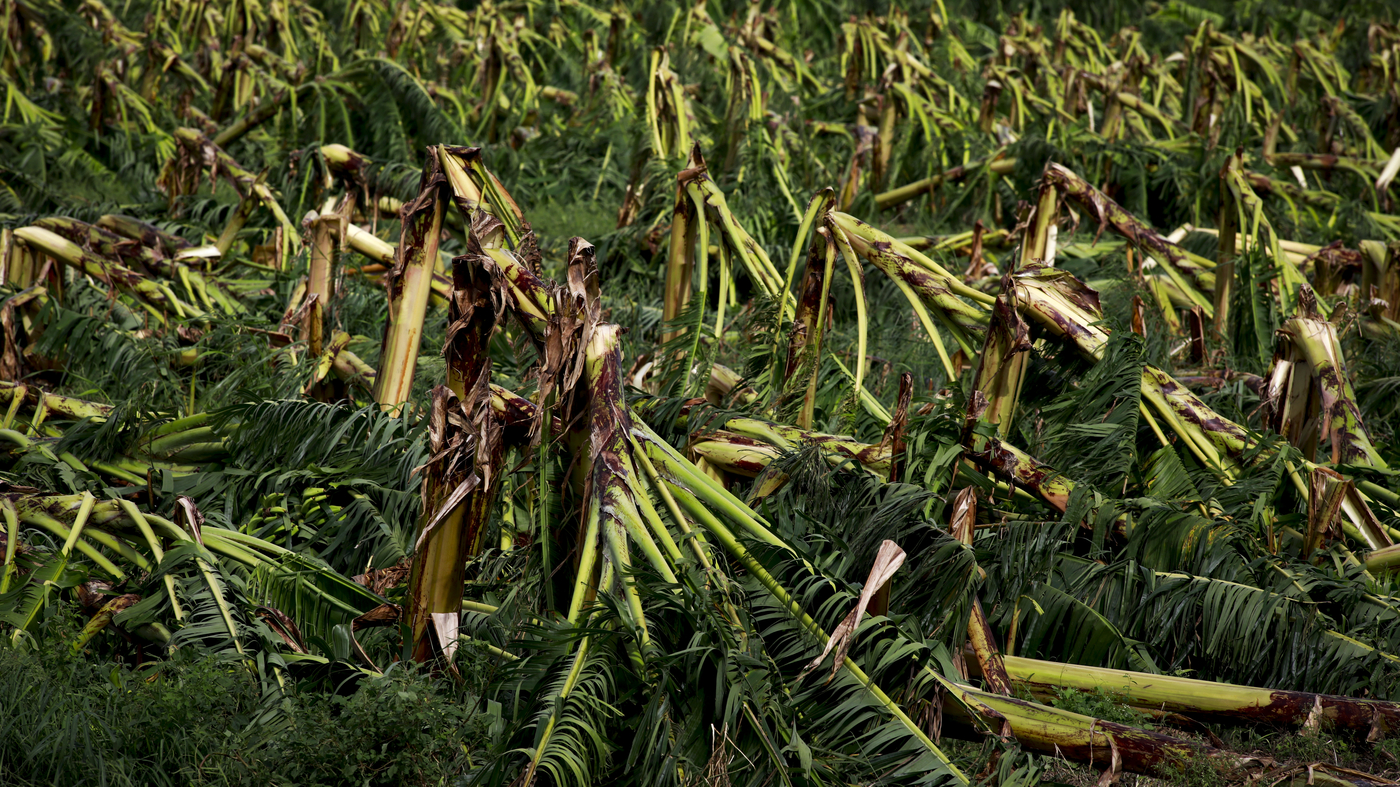
In early August, a violent hailstorm smashed hundreds of acres of vegetable crops in parts of Northern Colorado. Everything from lettuce, cabbage, squash, and green beans were destroyed, and corn stalks were stripped bare by the hail.
Finally, Mother Nature unleashed a historical torrent of rain in early September that resulted in thousands of acres of submerged cropland along the South Platte River and its tributaries. Farmers and ranchers are still struggling with crop losses, damage to irrigation ditches, silt, and debris.
Colorado agriculture faced many weather challenges in 2013. But our state’s farmers and ranchers are a resilient bunch. They understand that weather can be unpredictable, and that conditions can drastically change from week to week. Yet, they do the job they love and believe they are meant to do. Their determination in the face of adversity not only puts food on our tables, but results in economic opportunities for our state, as well.
For example, in 2013 agricultural exports will reach close to $2 billion, doubling the $1 billion in exports recorded in 2009. More and more of Colorado’s agricultural products are finding profitable markets in over 110 countries across the globe. And while net farm income will fall below what had been projected for the year, it will still be, at $1.58 billion, the third highest in our state’s history.
Already, we are seeing beneficial snows falling in the mountains, fueling optimism that this will be a good snow pack year. Producers are looking towards 2014 with high hopes and expectations about the weather and growing conditions. Farmers and ranchers may not always like the weather forecast, but they adapt and keep on doing what they do best — producing the food, fuel and fiber important to our state’s economy.
Source - http://www.coloradostatesman.com/