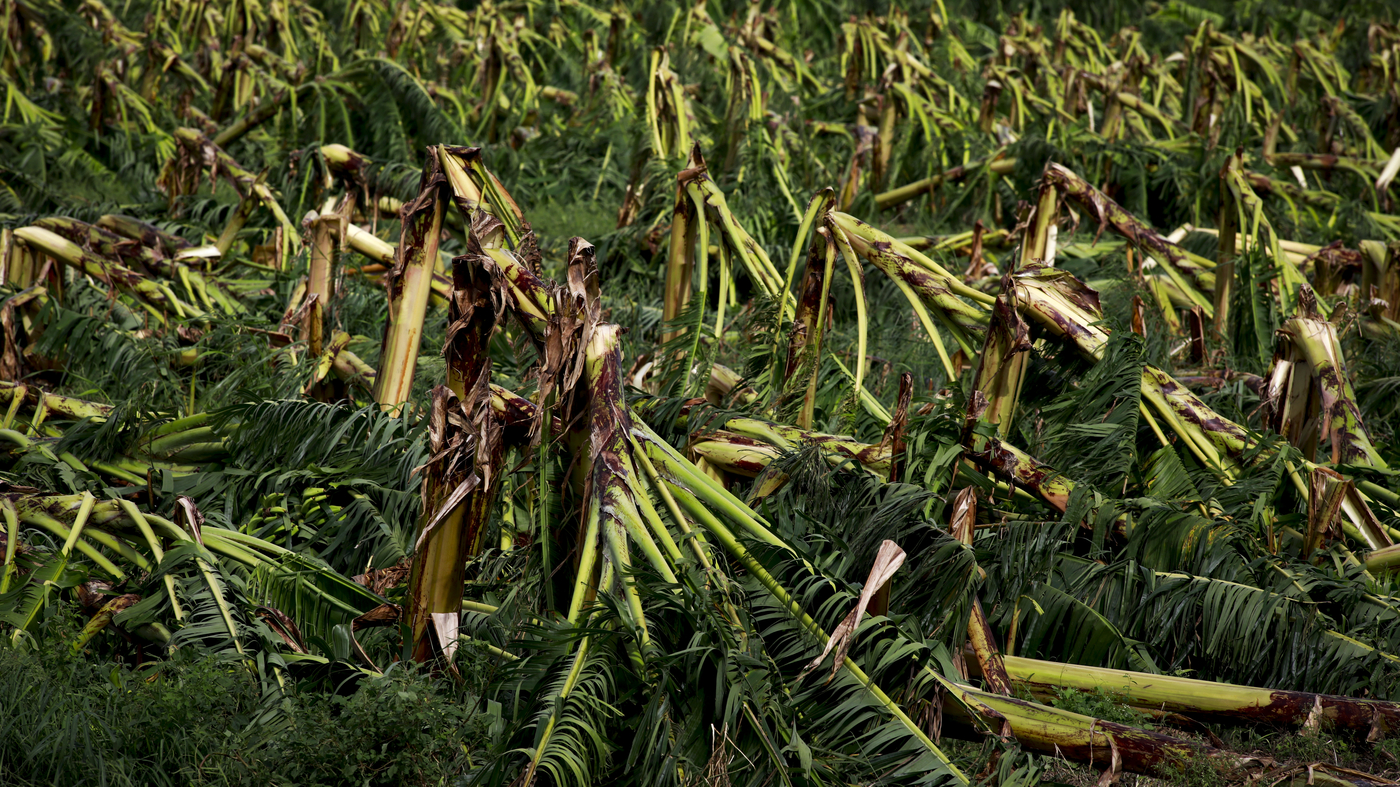
U.S. crops are escaping record-setting cold weather with little damage, but the arctic blast drove cattle prices to a record as animals struggle to gain weight.
The coldest spots in Florida citrus groves were near freezing, and oranges aren’t damaged unless the temperature falls below 28 degrees for a few hours, said Dale Mohler, a senior meteorologist at AccuWeather Inc. in State College, Pa.
Snow cover helped insulate wheat plants, according to DTN/Progressive Farmer.
Temperatures as low as minus 10 degrees probably caused “little significant damage to wheat crops” from southern Illinois to Ohio overnight, Joel Burgio, senior agricultural meteorologist for DTN/Progressive Farmer, said yesterday.
Cattle extended a rally to a record for the seventh straight session.
Orange-juice futures fell yesterday after Monday’s jump of 2.8 percent, the most since early November.
“The worst of it has gone by, especially in the Midwest,” said Claudio Oliveira, the head of trading at Castlestone Management in New York. “I do expect grain prices to come off now, and I’d expect the same thing to happen in the orange-juice market.”
Standard & Poor’s gauge of 24 commodities climbed 0.3 percent. Cattle futures reached $1.37225 a pound, the highest since Chicago trading began in 1964.
Orange juice for March delivery settled 0.2 percent lower at $1.4335 a pound yesterday on ICE Futures U.S in New York.
“The bullet missed them,” AccuWeather’s Mohler said. “I don’t think this even damaged the vegetable crops, tomatoes and strawberries, which are more susceptible.”
Although Florida’s weather will be colder than normal through today, temperatures will stay in the upper 30s, posing no threat to fruit trees, said Kyle Tapley, a meteorologist with MDA Weather Services in Gaithersburg, Md. It will warm to the mid-40s by Thursday.
Wheat futures dropped 22 percent in Chicago last year, the biggest annual decline since 2008, as the U.S. Department of Agriculture forecast a record global crop.
This week’s bad weather has slowed rail and truck operations in the Midwest for Archer Daniels Midland Co., the world’s largest corn processor, spokeswoman Jackie Anderson said in an e-mail.
“We expect this situation to be short term, though, and do not anticipate any significant commercial impacts to our operations,” Anderson said.
As for the wheat crop, “it’s highly unlikely that widespread damage occurred because of the snow cover,” said Dave Marshall, a farm-marketing adviser for Toay Commodity Futures Group LLC in Nashville, Ill. “Wheat is a hardy plant, and this year’s crop had good growth before entering dormancy to withstand the cold weather better”
At the end of November, 62 percent of the plants were in good or excellent condition, according to the USDA.
Cattle prices climbed 1.8 percent in 2013, the fifth-straight annual increase. Beef output in the United States, the world’s biggest producer, might slump 5.7 percent this year to the lowest since 1993, the USDA has projected.
The extreme cold across the central U.S. is “overall pretty bullish” for cattle futures as animals gain less weight and consumer demand increases, Lane Broadbent, president of KIS Futures Inc. in Oklahoma City, said yesterday. In frigid weather, animals have to use more energy to stay warm, he said.
Cargill Inc., the second-largest U.S. beef processor, said some of its meatpacking plants face lower volume as frigid weather across most of the U.S. hampers transportation.
The company’s pork plants in Ottumwa, Iowa, and Beardstown, Ill., and its beef plants in Wyalusing, Pa., and Milwaukee are processing fewer animals, Mike Martin, a spokesman for Minneapolis-based Cargill, said yesterday. The pork plants probably will work on Saturday to make up for the lost production, he said.
Meatpackers processed 217,000 cattle in the first two days of this week, down 5.7 percent from a week earlier, and 696,000 hogs, down 13 percent from a week earlier, USDA data show.
Source - http://www.dispatch.com/