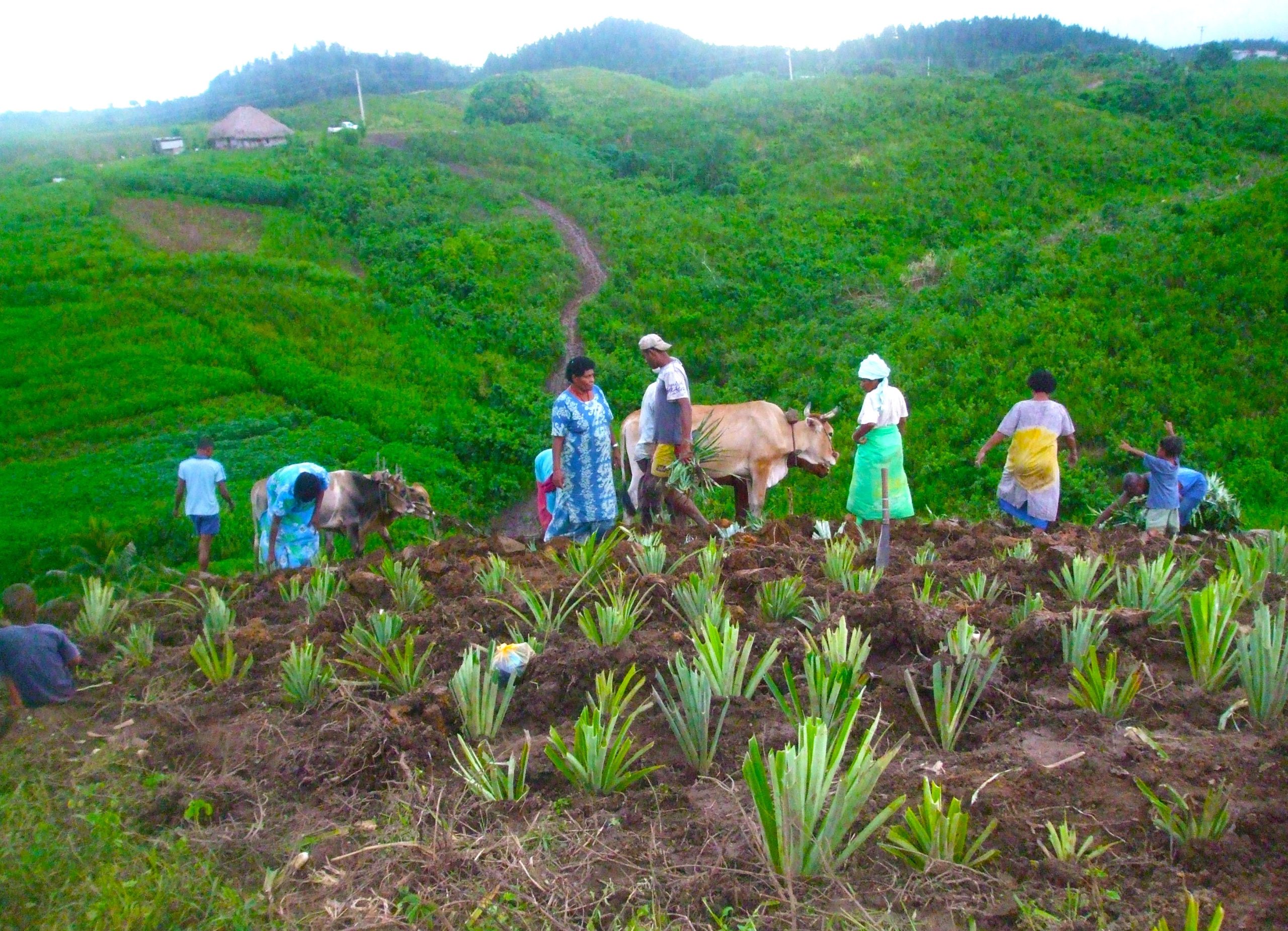
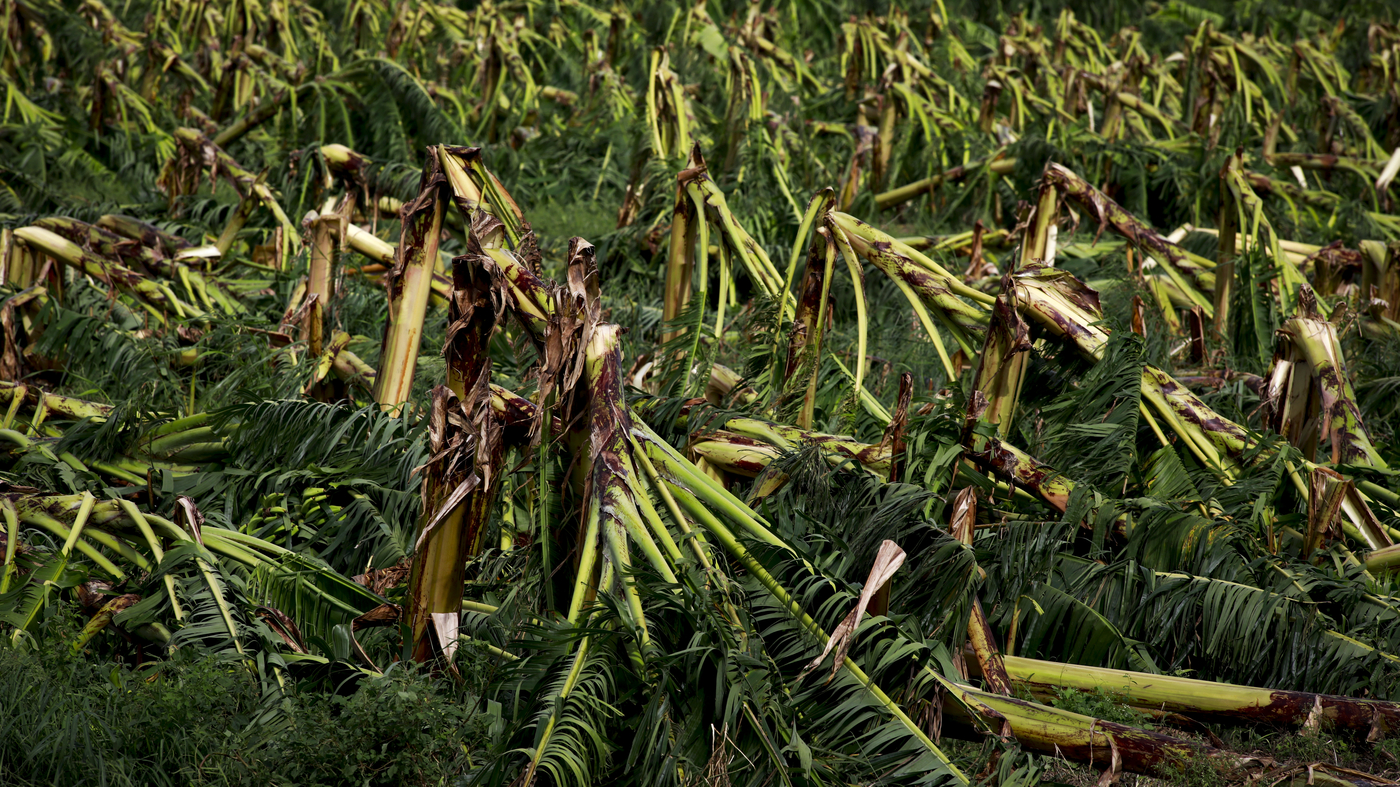
The African Water Facility (AWF) has offered a ?1.8 million grant to the Government of Malawi to help prepare a project designed to expand irrigated agriculture in the Lower Shire Valley. The project will help overcome the adverse effect of prolonged dry spells and frequent flooding to improve and spread agricultural production.
It will also create opportunity for employment through the establishment of smallholder farming ventures and professionally operated irrigation services. Over 272,000 people are expected to benefit from this project.
Malawi depends largely on rain-fed agriculture to achieve food security and socio-economic growth. Agricultural productivity and production under rain-fed conditions are low and uncertain, however, in particular owing to unreliable rainfall and natural disasters such as erratic rains, dry spells, pest and diseases, droughts and floods. Since Malawi is endowed with underutilized water and irrigable land, the Government places a high priority on irrigation development to increase crop productivity and production, for food security for both domestic and export markets.
The Lower Shire Valley is one of the most fertile areas of Malawi, boasting rich deep soils with important irrigation potential. The Government's plan is to develop this potential within the administrative districts of Chikwawa and Nsanje in various phases to cover a total of 42,500 hectares, by extracting water from the river and conveying it by gravity to the irrigable area mainly through open canals.
"The Government of Malawi has long wanted to develop irrigated agriculture in the Lower Shire Valley, but a number of challenges have stood in the way of project implementation," noted Akissa Bahri, Coordinator of the African Water Facility. "In coordination with the World Bank, we are bringing our support to address these issues namely by assessing outstanding technical issues and supporting the Government in mobilizing financing. These studies will also help defining win-win ventures between smallholders and the private sector, so that this project can be economically sustainable and provide more benefits and jobs to local populations."
The estimated total cost of the project preparation activities is ?5.3 million, of which ?1.8 million is covered by the AWF, ?3.4 million by the World Bank, and ?73,000 by the Government. The grant will be specifically used to finance a feasibility study and preparatory activities to mobilize financing for the first phase of the irrigation plan which will cover 21,000 ha of land area, which could cost up to ?231 million.
The overall project will also explore a public-private partnership arrangement to mobilize private financing to cover part of the investment costs involved for the inlet and feeder canals.
Source - http://allafrica.com/