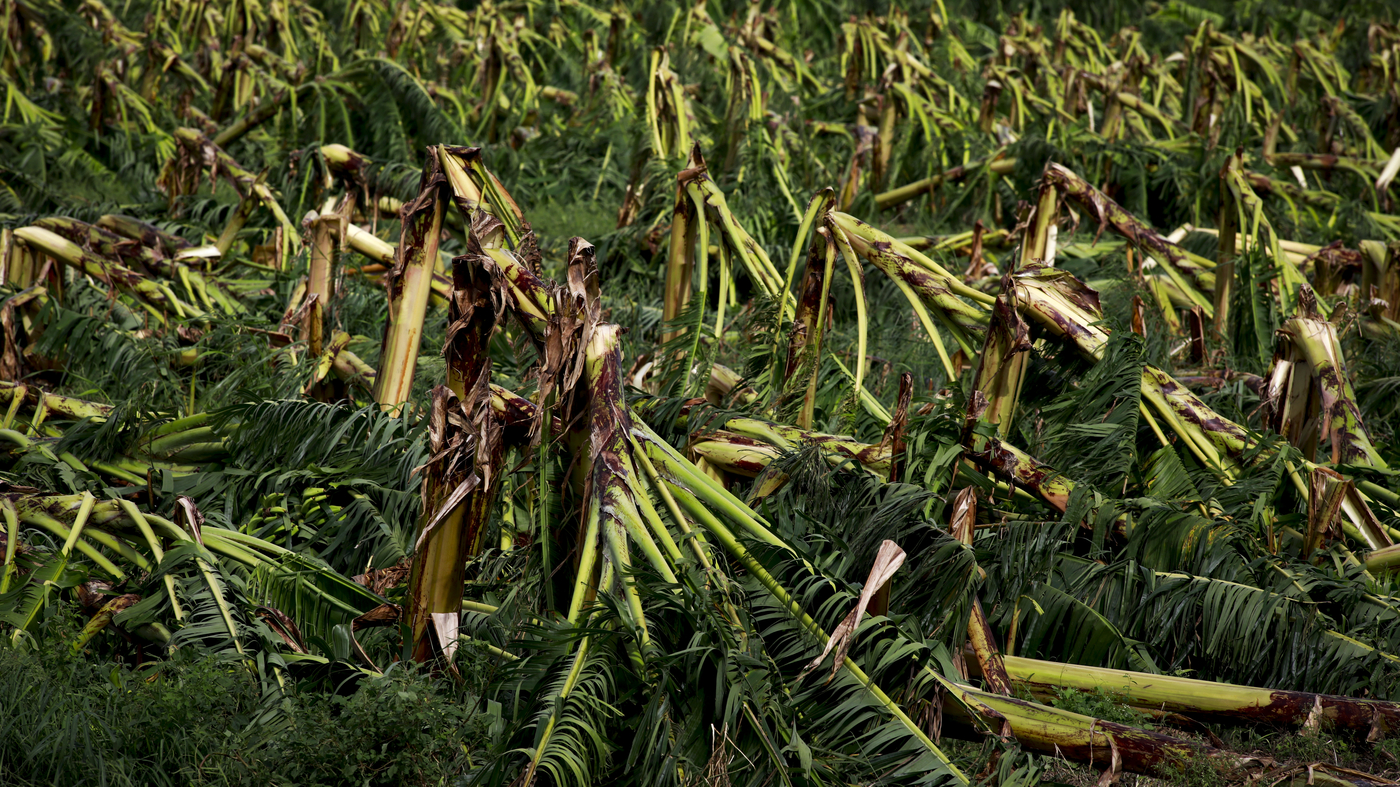
Ask area farmers and they’ll remind you that fingers and toes weren’t the only victims of this week’s arctic cold snap.Just as freezing temperatures can burn human skin, it can also severely damage the surface of many fruits.“They are living, too,” said Barry Bergman, owner of Bergman Orchards in Danbury Township. “The cold kills the living tissue of the buds of fruit trees”The consensus: Fruit crops and vineyards almost certainly took a hit earlier this week as a days-long polar vortex plunged the Midwest into a deep freeze.The extent of the damage remains to be seen. “It doesn’t look good right now, but it’s too early to tell,” Bergman said. “You will not know until it warms up. I’m sure there’s some damage” Peaches and cherries are the crops most likely to be affected by the freeze. Apples are a more hardy fruit, so the loss there may not be as great, Bergman said. A severe shortage of produce throughout the state and country this summer could impact how much people are willing to pay for their favorite fruits.Bergman can only hope damage was limited to the buds, and that young trees weren’t killed by blistering winds and actual temperatures of 14 degrees below zero.
Winegrowers are also praying this year’s batch of grapes and vines have survived.
“The winter of ’93 into ’94 was the last devastating weather like this we saw,” said Claudio Salvador, winemaker at Firelands Winery. “We lost 50 percent of our vines then. We survived then, we will survive now”
In January 1994, temperatures were significantly below zero for 14 days, said Donniella Winchell, director of Ohio Wine Producers.
That season on North Bass Island, where the majority of Firelands Winery grapes are grown, the temperature dropped to minus 22 degrees.
“Are we going to get damage this year? Yes. How much? It’s too early to tell,” Salvador said. “Hopefully the majority of the vines survived. That’s what we’re hoping for”
Growers will know more about the condition of the vines as spring approaches, he said.
Firelands Winery takes measures to stay ahead of the weather. One way to protect the vineyard: bury part of the vines underground.
The exposed area may die, losing that year’s crop, but the vine itself will survive to produce the following year.
If the entire plant dies, a vineyard owner must replant the vine and then wait at least three years before it produces any grapes.
That would translate to three years of lost revenue.
Source - http://www.sanduskyregister.com/