Timely rains across much of the state have the wheat crop looking much better than last year at this time, but for some areas, drought and cold temperatures may have combined to do some damage, according to a Texas A&M AgriLife Extension Service specialist.
Dr. Clark Neely, AgriLife Extension small grains specialist in College Station, said substantial rains came during the fall, starting in September, for much of the state. In fact, wet conditions kept some acres from being planted in the Blacklands – something not seen in recent history.
Soils have been fully recharged for most of East Texas and enough moisture has fallen to give consistent stands west to San Angelo and north to Abilene and Vernon, Neely said.
“Unfortunately, the High Plains received little of these beneficial rains and wheat producers struggled to get their crop up and out of the ground this fall,” he said. “Drought-stressed wheat also had to endure frigid temperatures during the past month, which have some concerned about the possibility of winterkill on small wheat.”
Single-digit temperatures were common throughout the Panhandle; however, cool weather prior to recent cold snaps helped wheat plants acclimate and become less susceptible to extreme cold, Neely said.
“Healthy, acclimated wheat plants should be able to handle single-digit temperatures without significant damage; however, drought-stressed plants are more susceptible to cold temperatures for multiple reasons,” he said.
“Dry soil does little to buffer temperature change and makes growing points more vulnerable under the soil surface. Additionally, drought-stressed plant tissue is less able to cope with leaf damage.”
Neely said leaf burn on an unstressed plant from cold temperatures may look devastating, but does little damage to yield if the growing points remain healthy. The plant is able to rapidly replace damaged tissue when temperatures warm up sufficiently for growth to resume and adequate soil moisture is available.
“But damaged leaves on drought-stressed plants can lead to desiccation and death due to destruction of the growing point,” he said, adding that observations from plots in Bushland, near Amarillo, show severe winterkill in oats, minor damage in barley and little visible damage to wheat plants.
“Often, symptoms take time to manifest, so producers may need to wait for a week or more before seeing yellow or necrotic leaves,” Neely said.
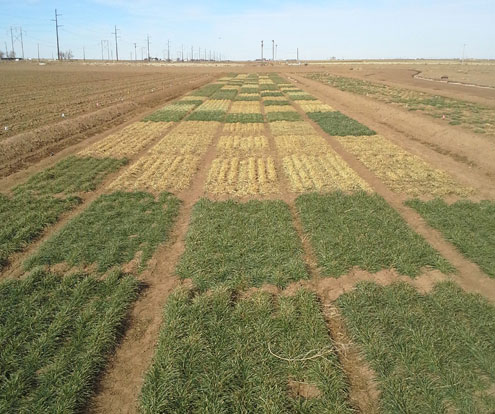
Other concerns that accompany freeze injury are secondary infections from fungi and/or bacteria, which are more difficult to assess initially, he said. If plant tissue is damaged by cold temperatures, the plant may survive, but damaged tissue creates an entry point for diseases, which can be quite damaging given unfavorable conditions.
With the recent weather conditions observed in the High Plains, widespread winterkill is not anticipated at this time; however, isolated pockets are always possible, Neely said. Producers should keep an eye on fields over the next week to look for yellowing.
For a better assessment of crop status, producers can dig up damaged plants and put them in a bucket in a warm room, he said. Healthy plants will send up new leaves to replace damaged ones and continue growth. Some damaged plants may green up only to die shortly thereafter due to secondary infections.
Source - http://www.ntxe-news.com/