California's drought could cause a bit of a lull in strawberry production, as acreage is expected to decrease slightly. Growers are wary of over-use of groundwater along the Central Coast, which could lead to saltwater intrusion into basins.
Drought could cause the fast-growing strawberry industry in California to experience a bit of a lull in production this year, as planted acreage is expected to decrease slightly.
Based on surveys, the California Strawberry Commission has forecast that 39,073 acres statewide will produce berries this year, including fields that were planted this fall for winter production, spokeswoman Carolyn O’Donnell said. Last year, 40,816 acres were in production.
While strawberry plantings naturally fluctuate, the decrease may be partly caused by drought conditions along the Central Coast, although O’Donnell believes most growers will be able to get enough water to turn a crop.
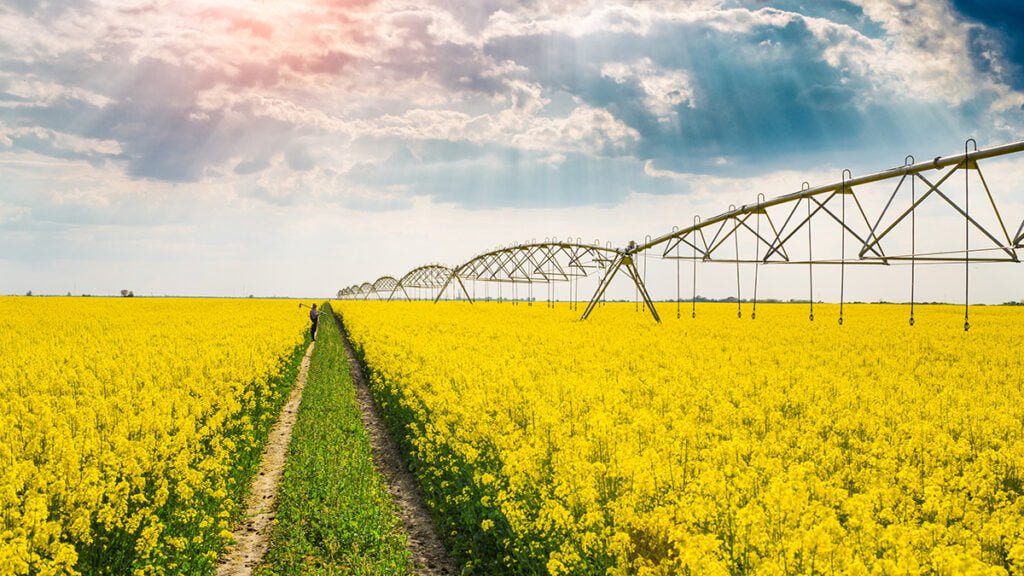
“On the Central Coast, a lot of folks get their irrigation water from groundwater,” she said. “The Central Valley I think probably has a greater concern from here, although I’ve never known a farmer not to be concerned about water. … And right now they’re having to depend on irrigation to establish their plants. At this time of year, they’re usually able to count on some rains.”
The commission’s forecast would still represent an increase from the 2012 acreage, which was 37,731, O’Donnell noted.
Strawberry growers in the Golden State have set production records in seven of the last eight years, including 194.9 million trays in 2013. That’s a 2 percent increase over 2012, in which growers produced 190.5 million trays, according to the commission.
Strawberries are a year-round fruit in California, as winter harvests move south with the sun. The peak season is the spring and early summer, when all of the state’s major growing regions are producing berries. About 85 percent of the nation’s strawberries come from California.
Production levels can depend on a variety of factors, including drought as well as cold and the timing of rainstorms, O’Donnell said. Working in the industry’s favor are new varieties developed in recent years that offer higher yields, she said.
However, state officials say this year’s drought is the worst in nearly four decades, and they caution that growers’ excessive use of groundwater can lead to overdrafts that permanently damage basins.
“Certainly along the coast the concern is saltwater intrusion,” O’Donnell said. Conditions have improved in recent years, though, as water-recycling projects have replenished the water table, she said.
Source - http://www.capitalpress.com/