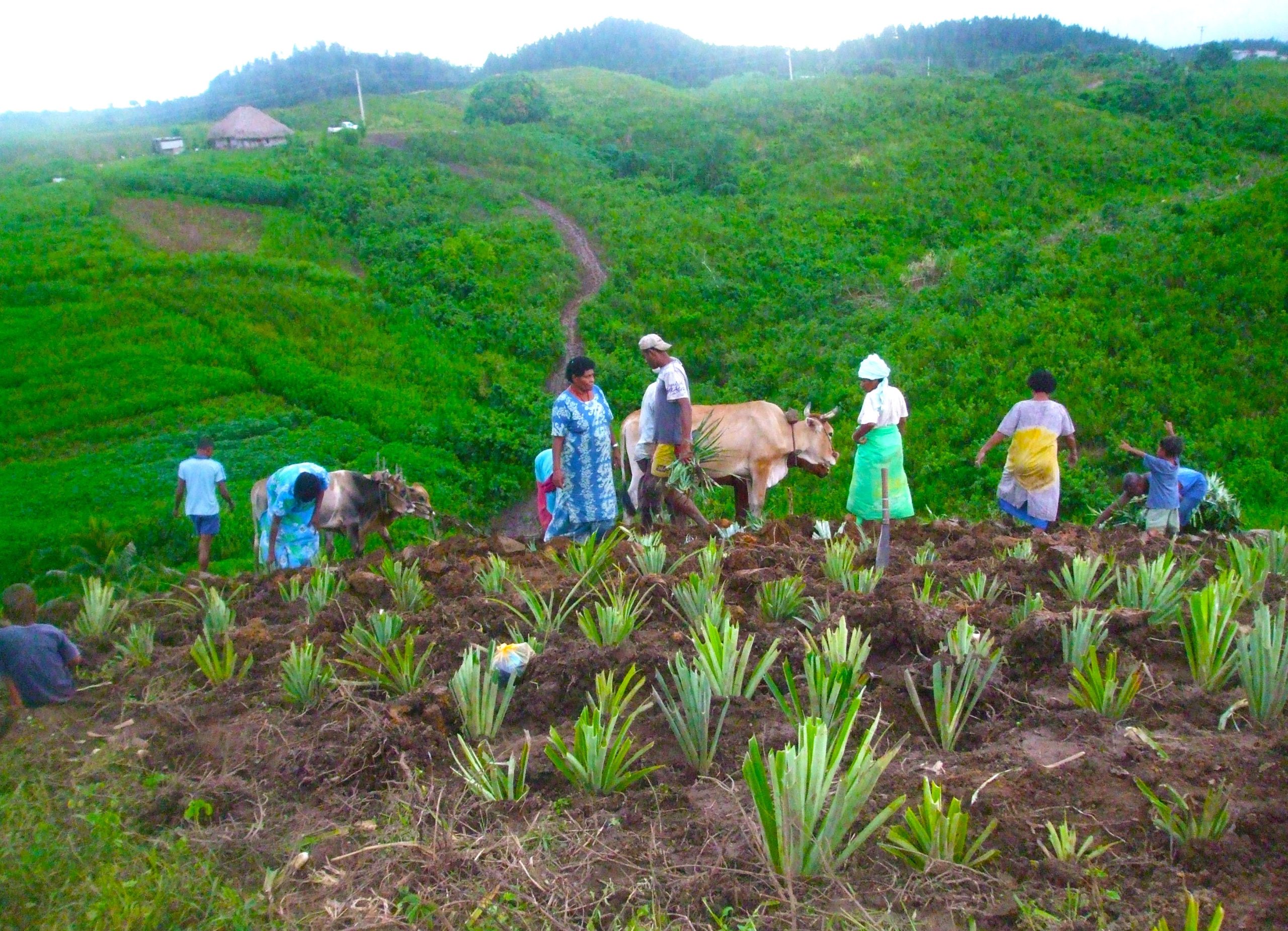
At this time of year, Lebanese farmers are usually cultivating their land, but for the first time in years activity is virtually non-existent due to the change in weather patterns.
The dearth of precipitation and early onset of spring weather have forced farmers to delay planting the new season's crops.
Lebanon has had one snow storm this winter. Since then, it has had mild weather, with temperatures reaching 24 degrees Celsius on the coast and 20 degrees Celsius in the mountains in January, typically a month of rain and snowfall that is essential for groundwater storage.
Each January, Gilbert Abou Mounsef was used to preparing his land in the Ammiq and Khirbet Qanafar areas of Lebanon's West Bekaa for planting potatoes and watermelons, surrounded by day labourers and farmers. This year, the agricultural engineer walked his land alone.
These conditions are dangerous for farmers, he said.
"If the weather continues as it is, we will face drought in groundwater wells," Abou Mounsef told Al-Shorfa.
Around 90% of groundwater wells in Bekaa that are 120 to 170 metres deep are fed by water from rainfall and melting snow, and are relied upon to irrigate the valley's crops, he said.
"The water levels in these wells are currently very low and if the spring weather continues they will dry up, which will force us to use generators and fuel to irrigate, meaning we will see a 15% increase in production costs," he said.
Lebanon produces hundreds of thousands of tonnes of potatoes annually for export and local use, but this year may need to import potatoes to meet its needs, Abou Mounsef said.
"We bought potato seeds from Europe but held off on planting them, because if we plant them now and it rains in March, the season's crops will be susceptible to disease on one hand, and on the other the yield will be low," he said.
LOW LEVELS OF PRECIPITATION
As of mid-January, 130 millimetres of precipitation have fallen in the Bekaa and 230 millimetres on the coast, which is low compared to the annual average, Lebanese Agricultural Research Institute president Michel Afram told Al-Shorfa.
The situation is "difficult, especially if the current month ends with no change", he said. "We will not be able to reach 50% of the overall annual average precipitation this year, even if there is rainfall in February and March."
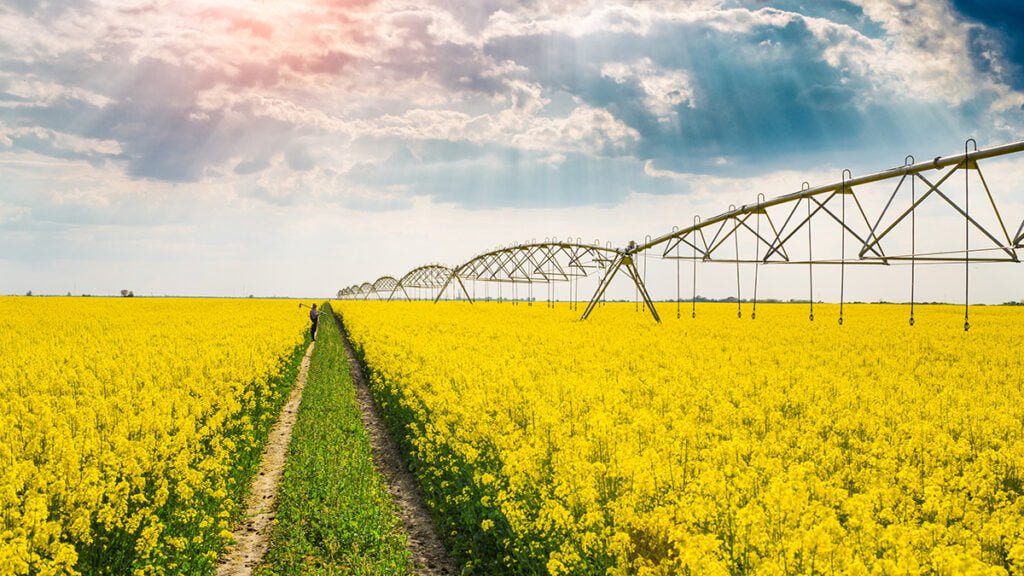
"All the winter crops are suffering from lack of rain, which forced farmers to use drip and spray irrigation, and thus incur higher costs," he said.
Wheat, barley, beans, onions, garlic and potatoes are among the key winter crops, Afram said.
"If there is not considerable rainfall we will face an agricultural disaster, which affects not only crop yields but also wild plants, and leads to the emergence of insects that are harmful to crops," he said.
The water level of Lake Qaraoun, Lebanon's largest inland lake and a key source for agriculture in the Bekaa Valley and a large portion of the south, is at its lowest levels this year, Afram said.
'WE STILL HAVE TIME'
"The farmer has not yet entered the high-risk stage," said Lebanese Farmers Association head Antoine al-Howayek.
"Lemon and banana farmers are pleased with the weather and crops that have not yet been exposed to storms, so they were able to maintain their production," he told Al-Shorfa. "Other farmers, however, are under duress because they are irrigating their crops at a higher cost as they are forced to use fuel."
"If there is no rainfall in February, we will then face a real disaster, because that is the month fruit trees bloom," he said.
But, "We still have time. It may still rain in [February] and in unexpected quantities that cover the shortage, and eliminate the insects that have begun to appear on crops," al-Howayek added.
Source - http://al-shorfa.com/
At this time of year, Lebanese farmers are usually cultivating their land, but for the first time in years activity is virtually non-existent due to the change in weather patterns.The dearth of precipitation and early onset of spring weather have forced farmers to delay planting the new season's crops. Lebanon has had one snow storm this winter. Since then, it has had mild weather, with temperatures reaching 24 degrees Celsius on the coast and 20 degrees Celsius in the mountains in January, typically a month of rain and snowfall that is essential for groundwater storage.Lebanon - Mild temperatures, little rain delay crops