The House of Representatives on Wednesday passed a bill authorizing nearly $1 trillion in spending on farm subsidies and nutrition programs, setting the stage for final passage of a new five-year farm bill that has been stalled for more than two years.
Negotiators from the House and Senate spent several weeks working out their differences on issues in the legislation, including cuts to food stamps, income caps on farm subsidies and a price support program for dairy farmers. The bill is expected to save about $16.6 billion over the next 10 years.
The bill passed the House by a vote of 251 to 166. The Senate is expected to take up the bill later this week.
Compared with earlier, more contentious votes on the farm bill, Wednesday’s vote was largely bipartisan. Many Democrats who had opposed it because of cuts to the food stamp program supported it on Wednesday. A number of Republicans, including many who wanted deeper cuts to the food stamps, also voted for passage.
The House speaker, John A. Boehner of Ohio, and the majority leader, Eric Cantor, Republican of Virginia, had endorsed the bill and urged Republicans to support it, even though they said they would have liked to see more changes.
“This is legislation we can all be proud of because it fulfills the expectations the American people have of us,” said Representative Frank D. Lucas, Republican of Oklahoma, who led House efforts to pass the farm bill.
House leaders are now expected to turn their attention to other issues, including the Affordable Care Act, ahead of the 2014 midterm elections.
It is unclear where the Obama administration stands on the new farm bill. Mr. Obama had signaled his opposition to any bill that cut food stamps and expanded crop insurance.
The new farm bill, which had been mired in partisan gridlock, makes fundamental changes to both nutrition and farm programs. It cuts the food stamp program by $8 billion, and about 850,000 households will lose about $90 in monthly benefits under the change.
Anti-hunger groups called the food stamp cuts draconian. Feeding America, a coalition of food banks across the county, said the change would result in 34 lost meals per month for the affected households.
The bill does provide a $200 million increase in financing to food banks, though many said the money might not be enough to offset the expected surge in demand for food.
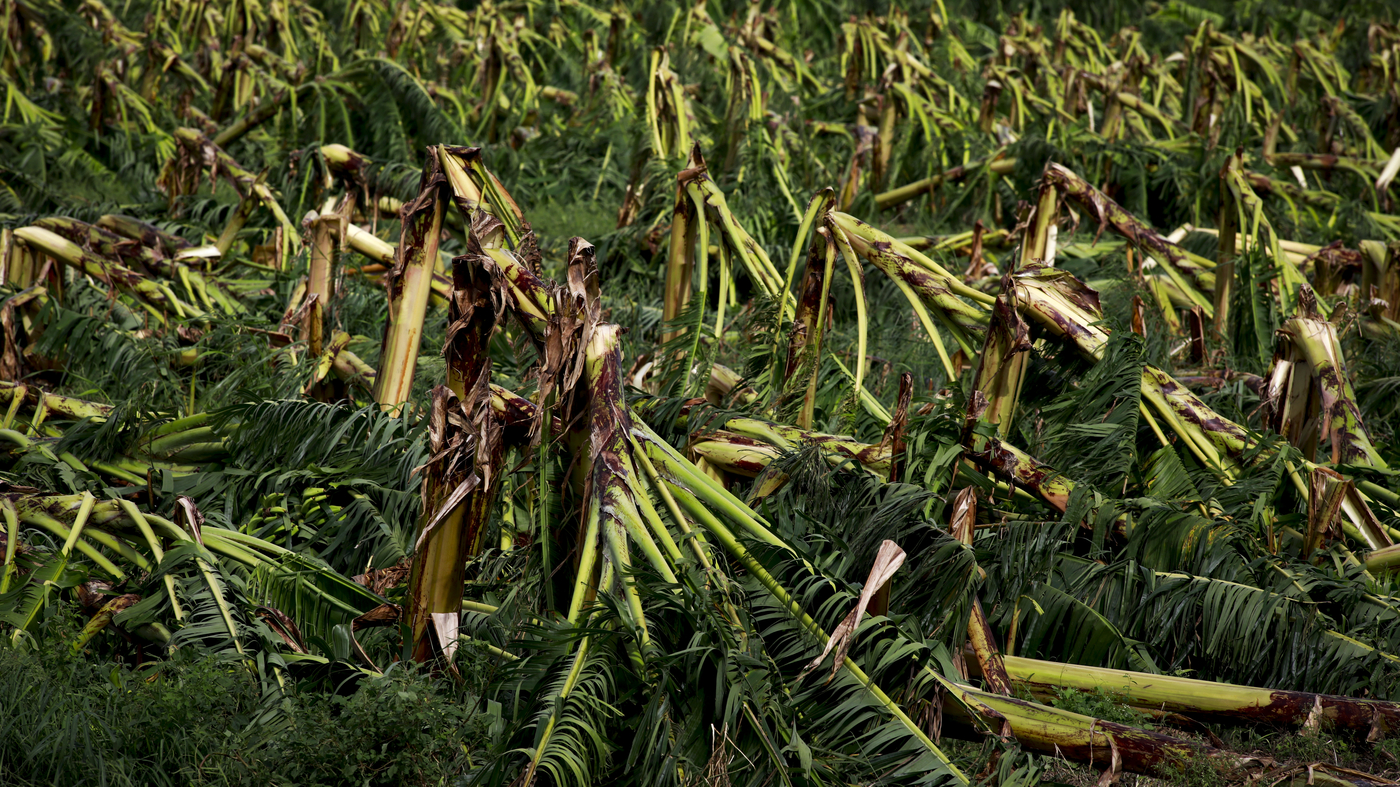
Farm programs were not spared from the cuts in the new bill. The most significant change to farm programs is the elimination of a subsidy known as direct payments. These payments, about $5 billion a year, are paid to farmers whether or not they grow crops, and the issue had become politically toxic over the last several years as farm income has risen to record levels.
The new bill cuts this subsidy and adds some of the money to the government-subsidized crop insurance. The government pays 62 percent of premiums for the $9 billion-a-year insurance program.
Lawmakers said the elimination of the direct payments ensured that only those who actually farm would receive subsidies and only when affected by a disaster such as drought. Budget watchdog groups called it a bait-and-switch, and said it replaced one subsidy with an even more generous one.
“This bill is so bad, they literally stripped reform from the title,” said Steve Ellis, vice president of Taxpayers for Common Sense, based in Washington.
Although most agriculture groups generally supported the new farm bill, several were left disappointed.
The seafood industry expressed disappointment that a contentious seafood inspection program at the Agriculture Department remained in the bill, despite bipartisan efforts to repeal it. Meat and poultry industry groups also expressed their concern with the bill because it did not include language to delay a labeling program that requires retailers to list the country of origin of meat. The industry said the labeling was too costly.
The bill does not address the changes to the international food aid program sought by the Obama administration, but it does give an increase of about $80 million to the United States Agency for International Development to buy food closer to disaster areas, rather than shipping food from the United States.
Anti-hunger groups, including the World Food Program, support the proposal. Several environmental groups, such as Ducks Unlimited, also expressed their support for the new farm bill because it includes new soil and water conservation measures.
Source - http://www.nytimes.com/