January was the hottest month on record in parts of Brazil including its biggest city, Sao Paulo. The heat, plus a severe drought, has kindled fears of water shortages, crop damage and higher electricity bills that could drag down the economy of the country.
The scorching conditions don't constitute a crisis quite yet, officials say. Weather has been mostly normal in other regions including Brazil's soy belt, where a record crop is still expected. Summer rains could return in February and March to refill reservoirs, as they did last year when similar concerns over a possible energy crisis proved to be overhyped.
Still, the risks are considerable because Brazil's economy is so fragile at the moment. Any disruption to food supplies or power costs would complicate the government's ability to meet the center of its 2014 inflation target of 4.5 percent, and the region's orange and coffee crops are already showing signs of stress, farmers say.
Sao Paulo's average maximum daily temperature in January through Friday was 31.9 degrees Celsius (89.4 degrees Fahrenheit), a degree hotter than the previous January record and surpassing February 1984 as the city's hottest month ever, according to INMET, Brazil's national meteorological institute.
Meanwhile, a high pressure system has blocked normal tropical afternoon rains during what is usually the year's wettest month. Sao Paulo's main reservoir is now at less than a quarter of its capacity, a 10-year low.
Meteorologists aren't hopeful for a change anytime soon.
"This is the hottest, driest January we've ever had ... and there isn't much hope for this heat to stop in the next two weeks," said Celso Oliveira, meteorologist for Somar weather service.
The weather has been so suffocating that many Brazilians have envied the so-called polar vortex causing snow and record cold in much of the United States. Some local meteorologists have speculated that the hot, dry weather in Brazil may be related to the same unusual atmospheric patterns.
People with air conditioning have driven nationwide energy consumption to an all-time high this week. The strong demand, which is being met partly through increased use of thermoelectric power, means that spot energy prices are set to double in coming days to record levels beyond 800 reais ($326.50) per kilowatt-hour, three electrical industry sources told Reuters on Thursday.
Those prices could trickle down to energy bills for customers and factories - a threat to economic growth already expected to be just 2 percent this year. Energy usage is expected to remain high - the national grid operator estimates a 7.1 percent increase of power usage in February compared with the same month a year earlier.
"I am very worried (about the weather) and I have been for the last month," said Jose Francisco de Lima Gonalves, chief economist with Banco Fator in Sao Paulo. "It's a risky outlook without a doubt - it could affect industry."
MASSIVE CATTLE DEATHS
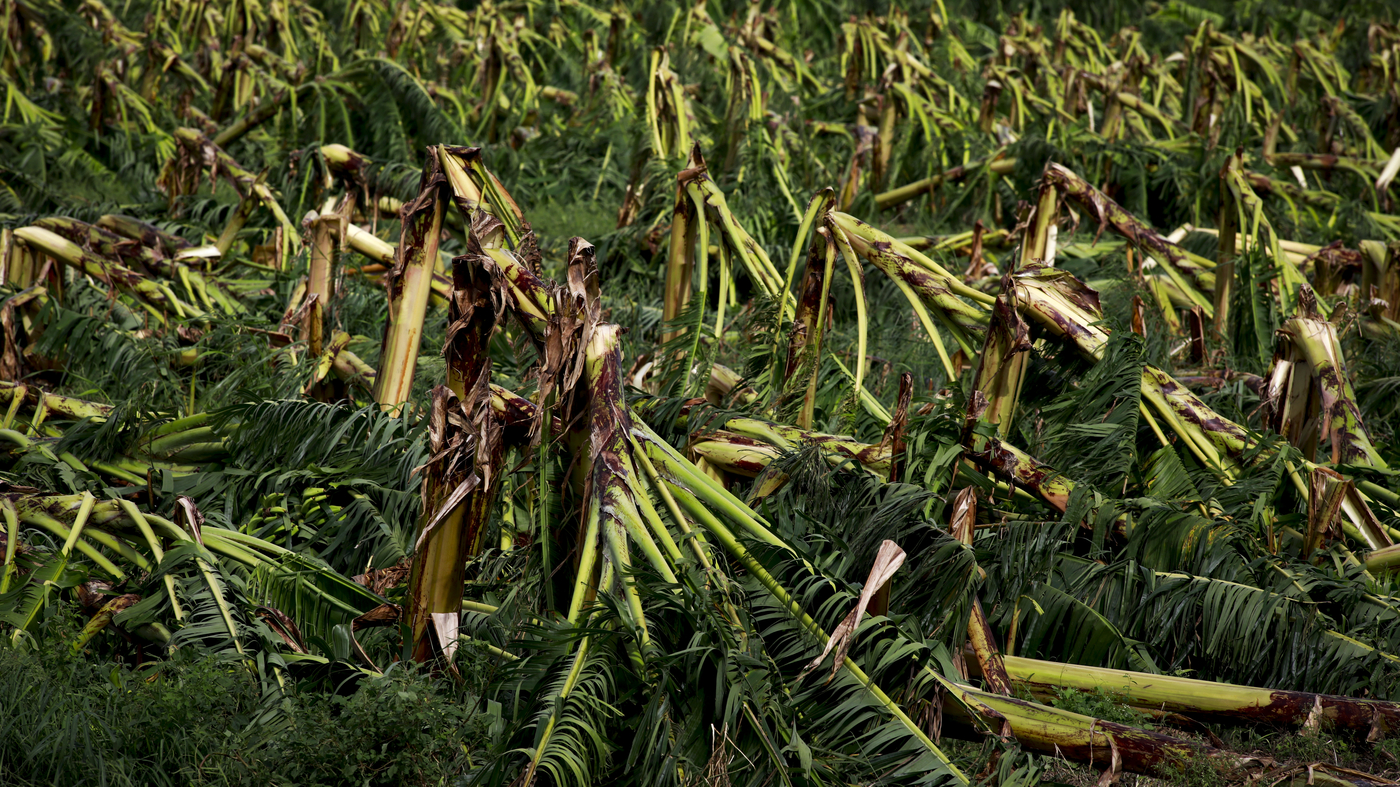
Other regions of Brazil are also suffering from extreme weather. The impoverished, less populated northeast is in its worst drought in at least 50 years, according to Funceme, the state meteorological agency in Ceara¡ state. Hundreds of thousands of cattle have died from the dry conditions, local officials say.
"I have never seen a drought like this. Everything has dried up," said 85-year-old Ulisses de Sousa Ferraz, a farmer in Pernambuco state who said he has lost 50 cows.
There is some good news. Electricity shortages do not appear likely for now, nor does rationing, which took a huge bite out of Brazil's gross domestic product in 2001.
Average reservoir levels in the southeast and central-west regions, which account for 70 percent of Brazil's hydroelectric generation, fell in late January to 41 percent. That was well below the 58 percent average for January since 2000 but ahead of the 37.46 percent level seen in 2013, when fears of power rationing last flared. Before the government ordered power rationing in 2001, reservoirs had fallen to 31.4 percent.
A post on President Rousseff's Facebook page on Friday said that because of federal investments in electrical supply over the past decade, the risk of shortages had "disappeared."
Water shortages seem to be a bigger risk.
Source - http://www.vagazette.com/