The swings in temperatures could be a potential problem for many farmers and backyard fruit tree owners.
The plentiful warm sunshine and lack of rain in January caused many fruit trees to get a false sense of spring.
Some fruit trees are blossoming weeks earlier than normal in the north part of the state, which could be a problem if a hard frost hits the area while trees are blooming or carrying fruit, agriculture officials said.
“We’re five to seven days earlier on the almonds,” said Mel Machado, a field supervisor for Blue Diamond Growers, the state’s largest processor, about the Central Valley crop.
According to Rico Montenegro, a certified arborist from Redding, almonds, peaches and cherries seem more susceptible to blooming early. While the blossoming trees provide plenty of spring color, the trees could be in danger if a hard frost hits, he said.
“If it freezes, it’ll kill the flower,” said Richard Buchner, director of the Tehama County Farm Advisor’s office.
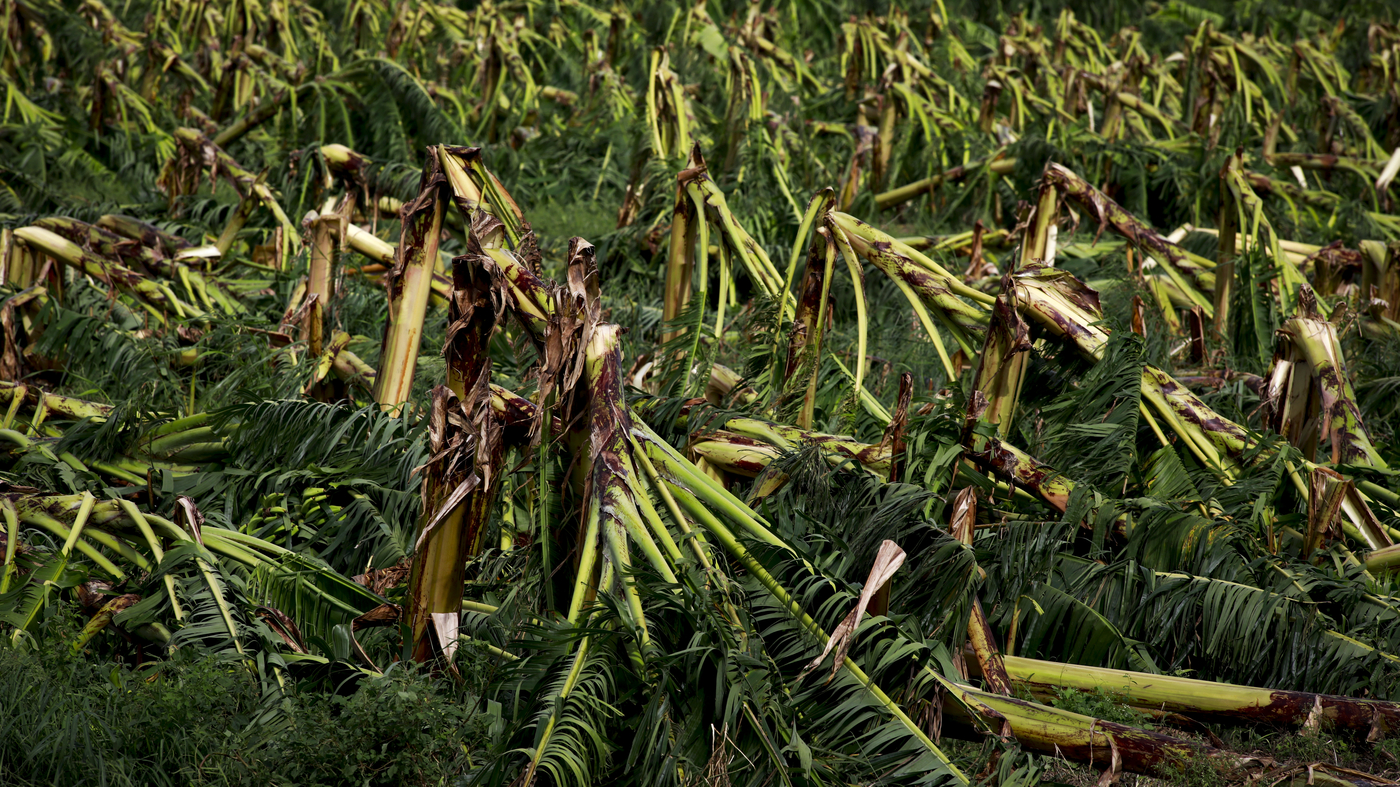
The frost would damage the flowers, and cold weather can also damage fruit and kill fruit, he said.
Ripon almond grower Dave Phippin said he’s seen an older variety in pink bud in the Valley. “Pink bud means you’re going to be blooming soon,” he said. “That’s an early old variety that’s not prevalent here.”
While the state received some rain last week, the January rainfall total is woefully lacking in the Central Valley and statewide. Modesto received 0.54 inches last week, according to the Modesto Irrigation District. Since July 1, the beginning of the rainfall season, MID has recorded 2.28 inches of rain in downtown Modesto, which is below the 2.36 inches that normally falls in January.
Last year, 7.91 inches had fallen by the end of January. Normal season to date is 6.84 inches, according to MID.
The forecast calls for highs in the high 50s to mid 60s, with lows at or above the freezing mark of 32 degrees.
Cold, wet weather this month and next could hamper crop yields. Cold and – though much-needed – rain could keep bees from pollinating the Central Valley’s huge almond crop, which normally blooms from mid-February to early March.
But Machado said what actually happens remains to be seen, meaning that it’s too early to worry.
“We could go down to 28 and be OK for now,” he said. “As the petals fall and the nuts come out of their jackets, that critical temperature will rise to 32, meaning we don’t want anything lower than 32 degrees.”
While almonds generally bloom out earlier because they require fewer cold winter days, called chilling days, trees such as walnuts need more chilling days and won’t get fruit until April, Buchner said.
Because of the warmer weather, many walnut trees have not had enough chilling hours. But since walnuts bloom later, there is still time for them to get their needed cold days.
Tree owners can prepare for frost to prevent damage to their flowers and fruit, Montenegro said. If subfreezing temperatures are predicted, water misters can help raise the temperature around trees. There is a special fabric, called reemay cloth, that helps prevent frost damage, he said.
Some growers use a fan or other device to create wind movement to keep frost damage down. Others put Christmas lights on their trees to raise the temperature on the branches.
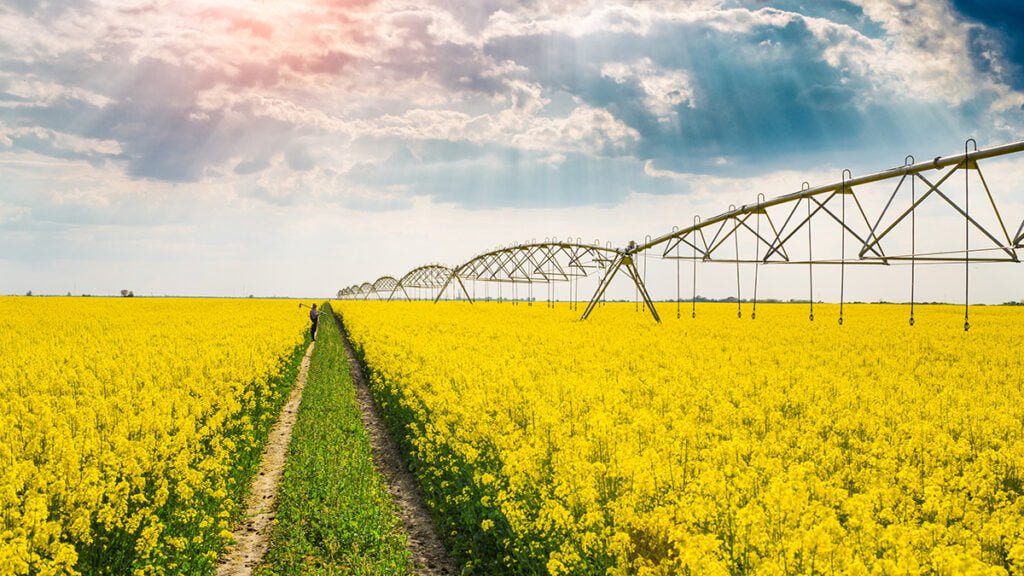
Buchner said orchard owners typically irrigate during a late hard frost. The water absorbs heat from the sun during the day and retains it to help warm an orchard into the evening, he said.
Source - http://www.modbee.com/