Canada - New insurance plan introduced for livestock producers

03.02.2014 249 views
Canada - New insurance plan introduced for livestock producers

A new livestock price insurance program will be available this spring to help cattle and hog producers in the western provinces manage price risks faced by the industry.The four-year Western Livestock Price Insurance Program (WLPIP) pilot is a collaborative arrangement between the federal government and the western provinces to enhance risk management options available to the livestock industry.

A new livestock price insurance program will be available this spring to help cattle and hog producers in the western provinces manage price risks faced by the industry.

The four-year Western Livestock Price Insurance Program (WLPIP) pilot is a collaborative arrangement between the federal government and the western provinces to enhance risk management options available to the livestock industry.

The pilot will help livestock producers protect themselves against unexpected price declines by allowing them to purchase insurance on an insured price selected by the producer from the available coverage levels. Premiums are fully funded by producers.

“B.C. livestock producers have expressed great interest in having more tools that help them manage their price risks and the B.C. government is proud to have worked with our partners to deliver a western Canadian program,” said Donna Barnett, Cariboo-Chilcotin MLA, on behalf of Agriculture Minister Pat Pimm.

“Providing predictable and cost effective insurance products will help our cattle and hog producers manage their businesses and focus on longer term operations.”

Alberta introduced price insurance in 2009 for its cattle and hog producers sectors. This initiative expands the Alberta program to a regional model, opening it up first to livestock producers in B.C. and Saskatchewan.

Livestock producers across B.C. can expect to receive WLPIP information in March from their provincial agriculture offices.

Source - http://www.vernonmorningstar.com/

14.06.2026

Zurich Australia partners with Crop Risk Underwriting

Zurich Australia has partnered with Crop Risk Underwriting (CRU), a specialist crop insurance underwriting agency and part of the 360 Group of Companies, to provide crop insurance in Australia from June 1, 2026.

14.06.2026

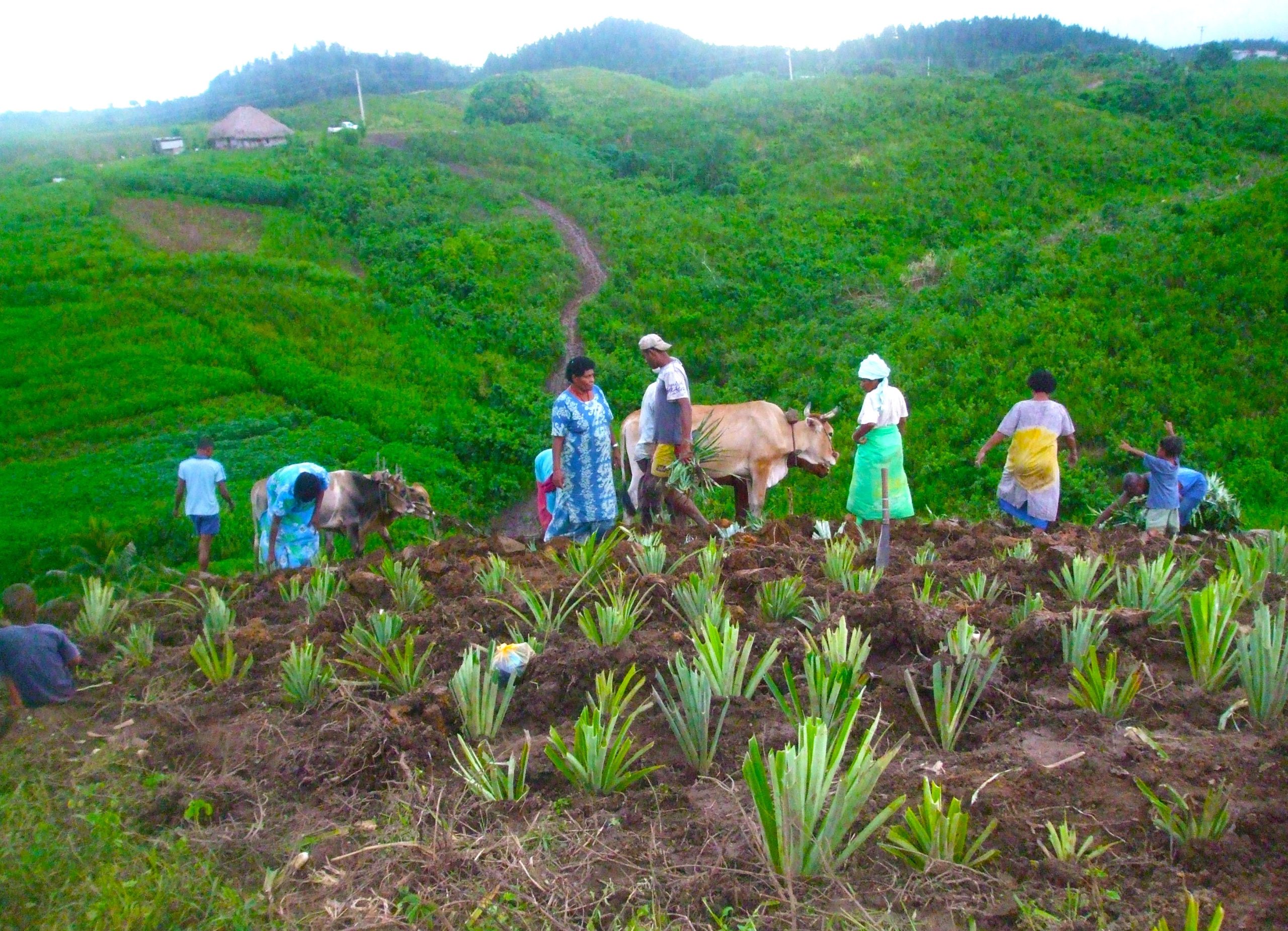
Fiji - Crop cover push: Scheme to help farmers recover faster, says Tunabuna

Over the past 10 years, natural disasters have wreaked havoc through farmlands costing Government more than $700million.

14.06.2026

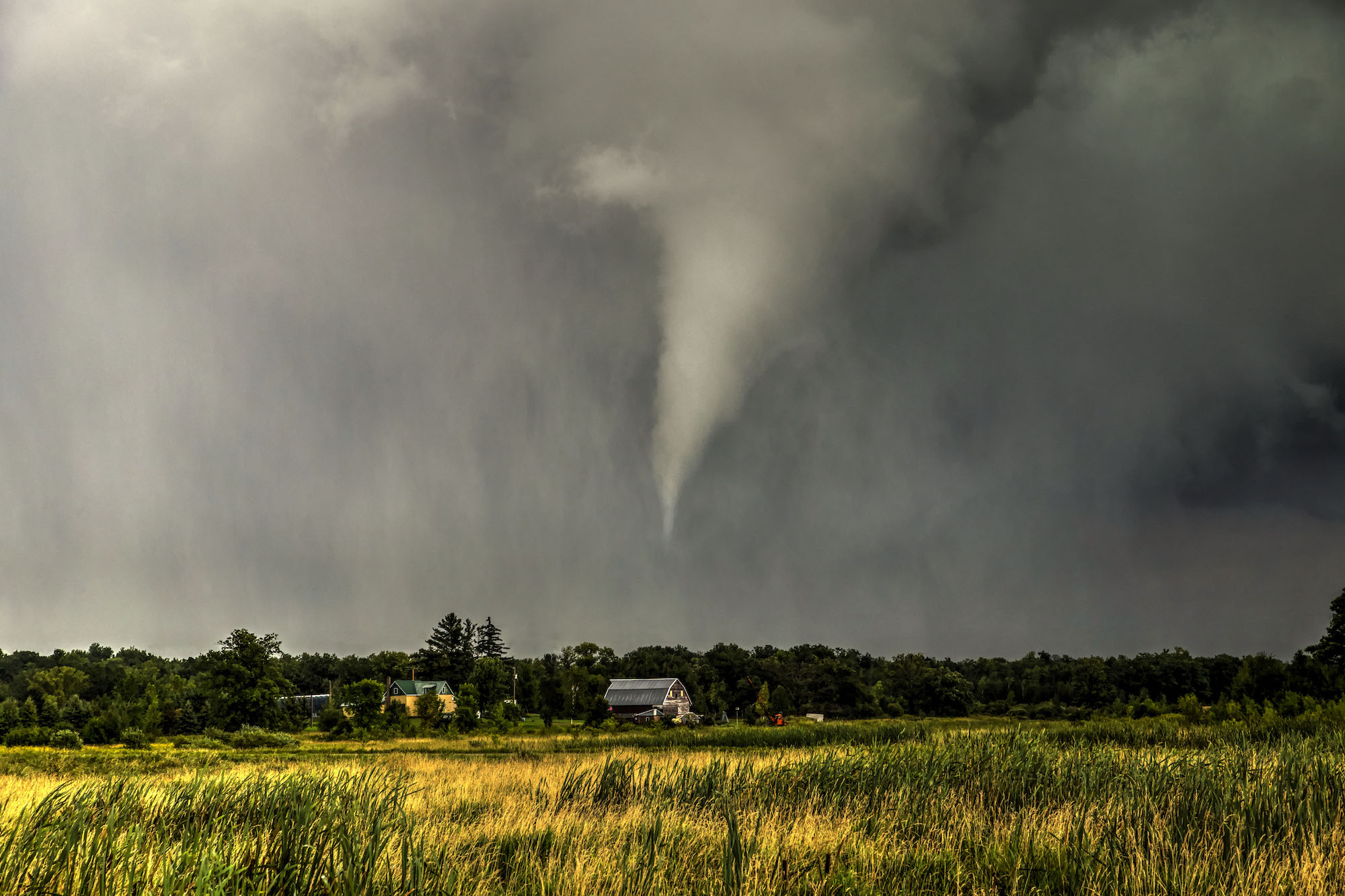
Canada - Tornado warnings and hail put southeast Saskatchewan insurers on alert

A severe weather outbreak across 29 rural municipalities is set to drive a wave of home, auto and crop insurance claims.

14.06.2026

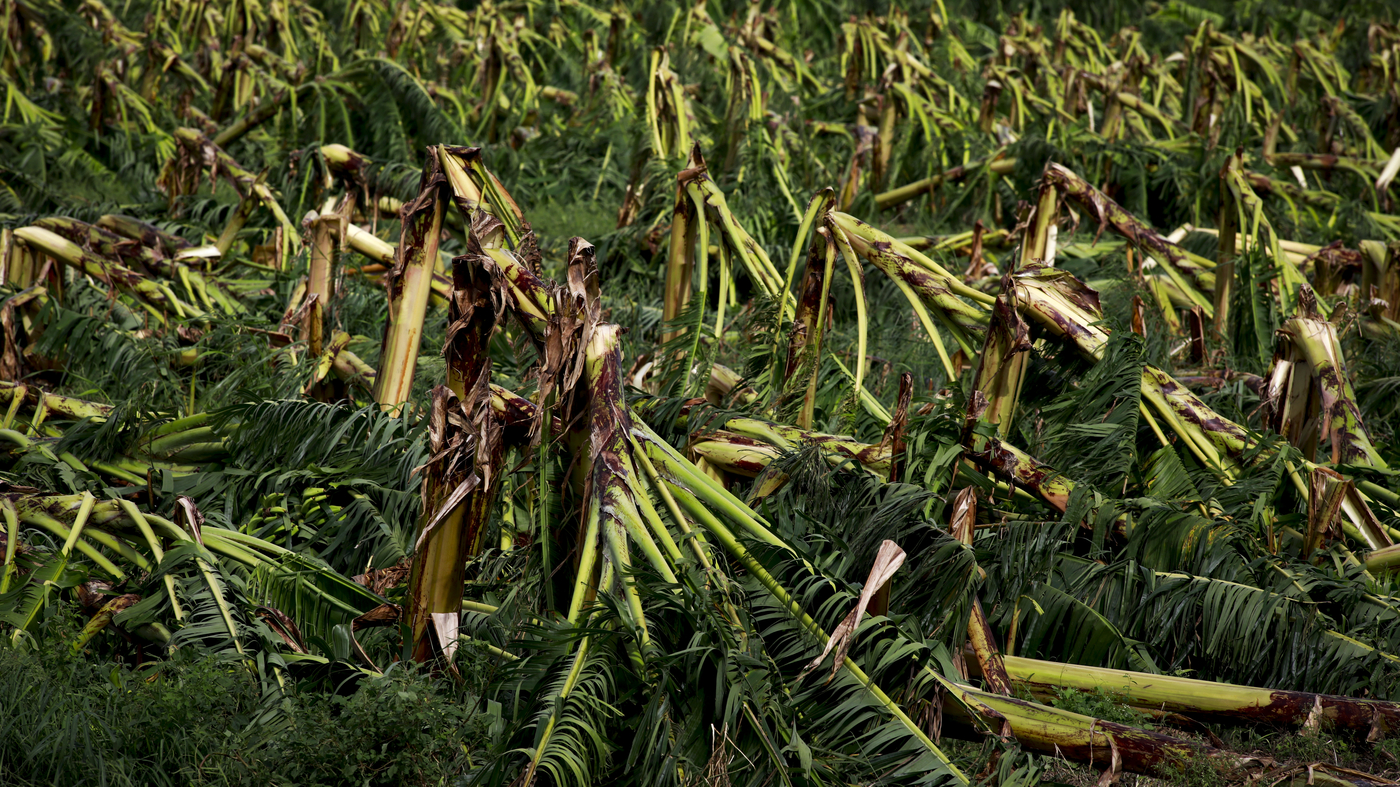
India - Maharashtra storms damage 18,121 hectares of bananas

Unseasonal rainfall, strong winds, and hailstorms have affected crops across more than 61,000 hectares in 27 districts of Maharashtra, India, with banana plantations accounting for a large share of the reported losses. 

14.06.2026

Colombia passes law to track cattle and keep deforestation-linked beef out of supply chains

Colombia has enacted a landmark law requiring the cattle industry to trace livestock and prove beef supply chains are free from deforestation, a measure environmental groups say makes it the first tropical forest country to adopt such a nationwide framework.

14.06.2026

Syngenta eyes deeper market expansion as Bangladesh agriculture embraces digital transformation

Company strengthens support for farmers through digital advisory platforms, crop insurance, mechanisation services, and climate-resilient agriculture initiatives.

04.06.2026

India - Delhi raises crop damage compensation after 10 years by over 50% to Rs 75,000 per hectare

In a major relief for farmers, the Delhi government has increased compensation for crop loss caused by rain and hailstorms from Rs 20,000 per acre to Rs 75,000 per hectare.

04.06.2026

Why Tech-Driven Agro-Insurance Has Stumbled in Ethiopia

For decades, Ethiopia’s agricultural sector has remained trapped in a dangerous paradox.