Unprecedented drought conditions are causing widespread problems for San Luis Obispo County’s $862 million agricultural industry.
Although cattle ranchers are bearing the brunt of the drought, growers of the county’s many vegetable and fruit crops are also suffering a variety of drought-related hardships that will likely reduce overall production and lead to increased prices at the grocery store.
“This drought is so widespread it could have a very big impact,” said Tom Ikeda, vegetable grower with Ikeda Brothers Pismo Oceano Vegetable Exchange. “This is the worst I’ve seen it. We got two inches of rain last year, and 15 is our normal.”
Although the county got a slight reprieve from the drought Sunday when a storm dumped between a half inch and an inch of rain, precipitation levels remain far below normal.
Growers are facing rising irrigation costs and are taking steps to reduce salt buildup in the soil. As a result, they are facing tough choices about what crops to plant or whether fields should lay fallow until the rains return.
The county’s citrus and avocado growers are also affected. Many are having to truck water in to keep their trees alive.
Citrus and avocado groves can be particularly vulnerable to drought because they rely on small coastal creek basins for their irrigation water. Unlike larger basins, these small ones are dependent on annual rains for recharge, said county Supervisor Bruce Gibson, who grows oranges on his family’s ranch in Cayucos.
“I continue to irrigate our orange trees,” he said. “If it doesn’t rain soon, there will be progressively grave consequences.”
The situation is so dire that the U.S. Department of Agriculture has declared San Luis Obispo County and 26 others in California to be natural disaster areas. This means emergency help is available for farmers and ranchers who have fallen on hard times due to the drought, primarily in the form of low-interest loans.
The loans can be used in a variety of ways to help farmers get through the drought, including consolidating debt and paying for livestock feed, said Val Dolcini, state executive director of the Farm Service Agency.
“We are pulling out all the stops to find ways to assist these farmers and ranchers,” he said. “We are going to continue to see a high level of interest in these programs until we get some rain.”
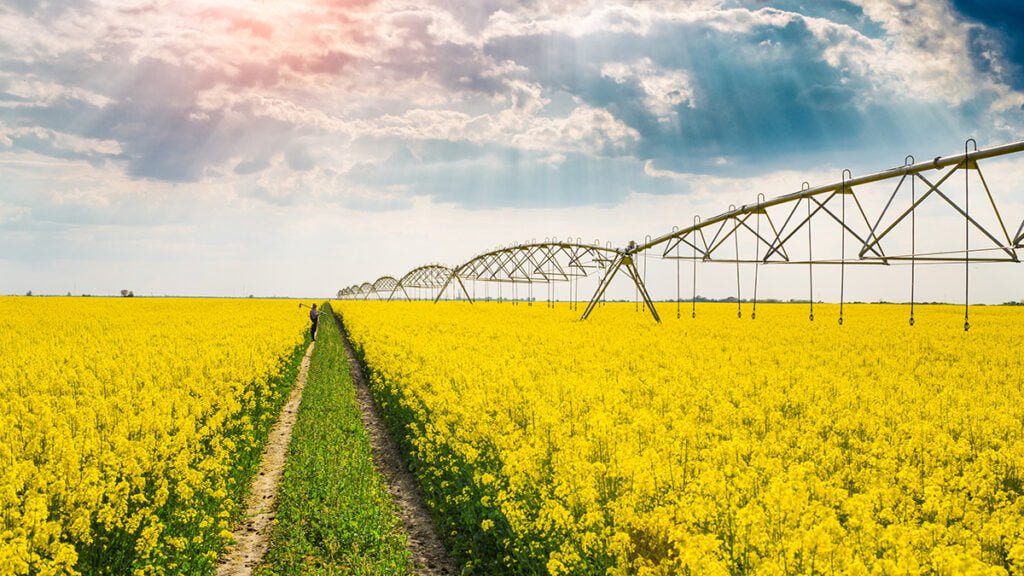
For vegetable farmers, one of the main costs of the drought comes in the form of additional irrigation. Most farms rely on groundwater for irrigation, which means additional costs to run irrigation pumps.
“We can cut back our irrigation 80 to 90 percent during wet years,” Ikeda explained. “But this year is almost like summertime in how much we have to irrigate.”
Like many areas of the county, aquifers used by farmers in the South County are dwindling due to the drought. Aquifers are expected to drop even further this year because of the almost complete lack of rain.
“That means that sometime in the summer or fall we may not have enough to sustain a planting,” he said.
Salt buildup is a problem common to all crops. Most irrigation is done with drip systems to conserve water, and farmers count on rains to wash the salt out of the soil. Salt is toxic to many crops.
Without rain, farmers are forced to use already depleted groundwater aquifers for pre-irrigation and treat the soil with amendments such as gypsum to remove the salt.
“That can cost $50 to $100 per acre per crop,” Ikeda said.
Under these circumstances, some growers might decide to plant salt-tolerant crops, such as celery, and avoid others, such as lettuce, that do not tolerate salt well. However, celery also uses more water. So growers may decide to plant nothing.
“The drought forces growers to prioritize crop cycles,” said Mary Bianchi, UC Extension horticulture farm adviser. “What do you plant and what do you leave fallow?”
All of this disruption in crop production is likely to hurt the county’s farm economy. It will affect all sectors.
“There’s that trickle-down effect going to our employees and other support industries such as fertilizer and feed companies,” Ikeda said.
“A Miracle March is the only thing that will save us, but I wouldn’t bet my house on it,” he added.
Source - http://www.sanluisobispo.com/