India - Managing false smut disease in rice

06.02.2014 260 views
India - Managing false smut disease in rice

False smut infestation in rice has been reported from many places in the State in an alarming proportion. In Cauvery delta zone, the disease has been reported to an extent of 10-20 per cent during kharif and rabi seasons. Also known as Lakshmi disease, it is caused by a fungus and was believed to be an indication of a bumper crop in the year. Due to the infection, individual grains of the panicle get transformed into greenish spore balls of velvety appearance. Spore balls are small at first growing gradually to reach one cm or more in diameter.

False smut infestation in rice has been reported from many places in the State in an alarming proportion. In Cauvery delta zone, the disease has been reported to an extent of 10-20 per cent during kharif and rabi seasons.

Another name

Also known as Lakshmi disease, it is caused by a fungus and was believed to be an indication of a bumper crop in the year.

Due to the infection, individual grains of the panicle get transformed into greenish spore balls of velvety appearance. Spore balls are small at first growing gradually to reach one cm or more in diameter.

They are slightly flattened, smooth, yellow and are covered by a membrane. The membrane bursts as the result of further growth and the colour of the ball turns orange and later yellowish-green or black.

Under congenial conditions like high moisture or rainfall accompanied by cloudy days during the period between flowering and maturity of grains, the development of false smut is rapid and causes considerable loss.

Yield loss is not only due to the occurrence of the smut balls but also due to increased sterility of kernels adjacent to the smut balls.

The disease not only reduces the yield but also affects the quality of grains or seeds. Prominent high yielding rice varieties like CO 43, CR 1009, ADT 38, ADT 39 and BPT 5204 are found susceptible to this infestation.

Late planting of rice during kharif and rabi seasons,are more susceptible to this problem.

Management

— Healthy disease free seeds alone should be used for sowing.

— Seeds should not be taken from false smut affected fields.

— At the time of harvesting, infected plants should be removed and destroyed

— Field bunds and irrigation channels should be kept clean.

— Excess application of nitrogenous fertilizer should be avoided.

— Regular monitoring is very essential. Spraying of copper hydroxide at 2.5 gm per litre of water or propiconazole at 1.0 ml per litre will be more useful.

Source - http://www.thehindu.com/

14.06.2026

Zurich Australia partners with Crop Risk Underwriting

Zurich Australia has partnered with Crop Risk Underwriting (CRU), a specialist crop insurance underwriting agency and part of the 360 Group of Companies, to provide crop insurance in Australia from June 1, 2026.

14.06.2026

Fiji - Crop cover push: Scheme to help farmers recover faster, says Tunabuna

Over the past 10 years, natural disasters have wreaked havoc through farmlands costing Government more than $700million.

14.06.2026

Canada - Tornado warnings and hail put southeast Saskatchewan insurers on alert

A severe weather outbreak across 29 rural municipalities is set to drive a wave of home, auto and crop insurance claims.

14.06.2026

India - Maharashtra storms damage 18,121 hectares of bananas

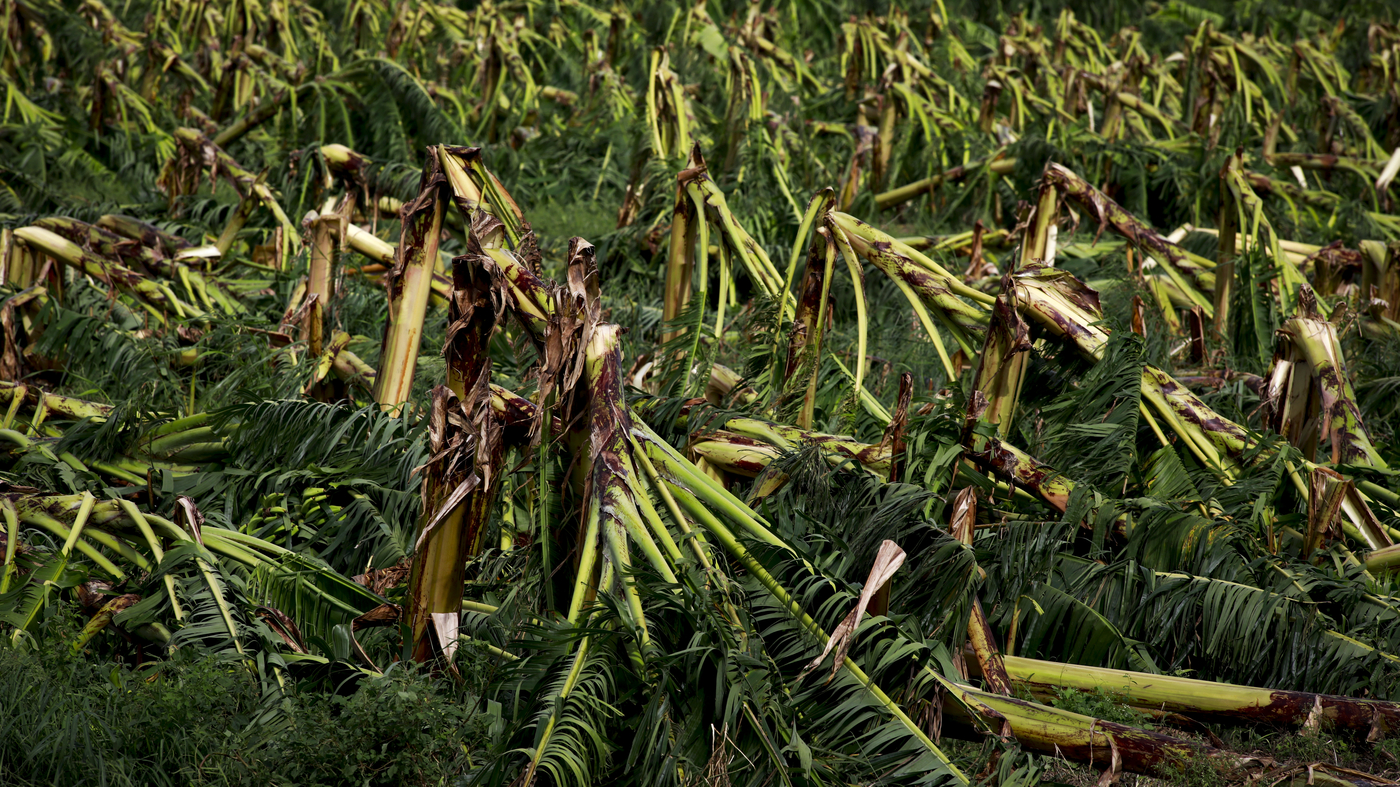
Unseasonal rainfall, strong winds, and hailstorms have affected crops across more than 61,000 hectares in 27 districts of Maharashtra, India, with banana plantations accounting for a large share of the reported losses. 

14.06.2026

Colombia passes law to track cattle and keep deforestation-linked beef out of supply chains

Colombia has enacted a landmark law requiring the cattle industry to trace livestock and prove beef supply chains are free from deforestation, a measure environmental groups say makes it the first tropical forest country to adopt such a nationwide framework.

14.06.2026

Syngenta eyes deeper market expansion as Bangladesh agriculture embraces digital transformation

Company strengthens support for farmers through digital advisory platforms, crop insurance, mechanisation services, and climate-resilient agriculture initiatives.

04.06.2026

India - Delhi raises crop damage compensation after 10 years by over 50% to Rs 75,000 per hectare

In a major relief for farmers, the Delhi government has increased compensation for crop loss caused by rain and hailstorms from Rs 20,000 per acre to Rs 75,000 per hectare.

04.06.2026

Why Tech-Driven Agro-Insurance Has Stumbled in Ethiopia

For decades, Ethiopia’s agricultural sector has remained trapped in a dangerous paradox.