Farming is still big business in Arkansas despite being overshadowed by headlines from corporate giants Wal-Mart, Tyson Foods and some of the nation’s largest trucking and logistics companies in the country.
Agriculture accounted for $17 billion of valued added to the Arkansas economy in 2011. That’s 17 cents of every $1 linked to the sum of employee compensation, income and indirect business taxes, according to an economic report from the University of Arkansas in 2013.
There are more than 259,200 jobs statewide supported by agriculture, that’s one in six jobs in Arkansas, creating almost $10 billion in labor income comprising 15% of the state’s total. The aggregate of the agriculture sector’s share of the state economy in Arkansas is 2.3 times greater than for the U.S. as whole.
Some Arkansas banks have taken notice of more demand from the state’s agriculture sector. Arvest Bank recently announced is it ranked No. 26 in the American Bankers Association Top 100 Farm Lenders in the U.S. for the first quarter of 2014. Northwest Arkansas-based Arvest Bank held about $503.68 million in total outstanding agriculture loans to end the first quarter of 2014, according to Steve Griffin, executive loan manager for the Fort Smith region of Arvest Bank.
The bank notes that it’s also expanding the agriculture loan products through the Federal Agriculture Mortgage Corporation, commonly known as Farmer Mac. These products provide several tools that help farmers/ranchers mitigate risks that have plagued the industry for the past few decades.
Arvest said the low interest loans help farmers free up funds than can be used to counteract business risks such as drought expenses, falling crop prices and other weather-related disasters.
“We’re currently in a situation similar to the farming boom of the 1970’s – which was followed by the farming crisis of the 1980’s. The best way a farmer/rancher can reduce their financial risk is to take advantage of the current low interest rates,” Griffin said.
While the average U.S. farmer or rancher is in good financial shape, many in the industry see potential pitfalls that could cause problems similar to what the industry experienced in the 1980s. Land prices are increasing while grain and cattle prices are becoming volatile. Prices often depend on global factors including the Chinese economy, trade agreements between Japan and Australia, exchange rates, weather, inflation and domestic demand.
A recent report from Wells Fargo economist notes that the U.S. farm sector made a solid comeback in 2013. Overcoming three consecutive years of slow growth, the industry’s output surged 16.4%, while overall real GDP increased just 1.9%. Arkansas ranked ninth in terms agricultural share of state GDP at 3.8% in 2013, according to the Wells Fargo report.
The report also summarizes 2014 as another good year for the nation’s farm economy, noting that repeating the 2013 performance could be tough given drought in large parts of California and unpredictable weather in the Midwest and South.
Local lenders also mentioned weather as a threat to 2014 profits for some farmers.
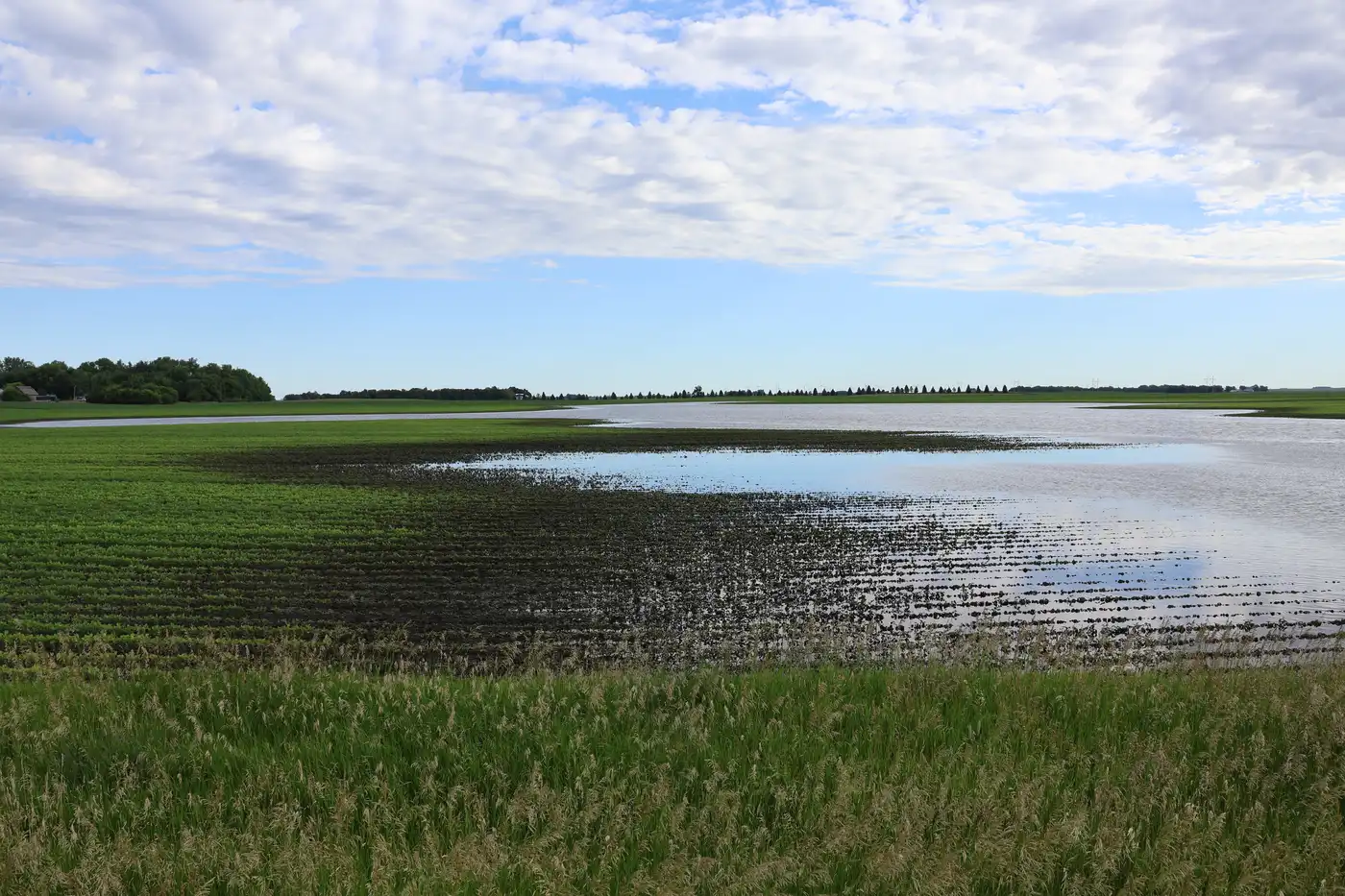
“We have a wonderful bunch of farmers in our Brinkley bank that have been with us for many years. We had a terrible rain that dumped up to 10.5 inches about a month ago that has caused major problems with some of the crops,” said Gary Head, president of Signature Bank.
He said some farmers may see lower yields as a result of the recent rain deluge.
“Our loan demand is steady there and we are prepared to work with our farmers through a potentially rough year,” Head said.
Signature Bank has grown its farmland loans to 1.71% of total loans, up from 1.51% a year ago. That totals about $6.5 million, up from $5.8 million in 2013. Other agriculture loans held by Signature Bank total about $6.4 million, up from $5.15 million in 2013, according to bank’s filings with the Federal Deposit Insurance Corp.
Source - http://www.thecitywire.com/